Community Corner
Back In Time: The Museum of Work and Culture
Travel Back in Time with the Wednesday Patch Passport, to discover the history and roots of Woonsocket.
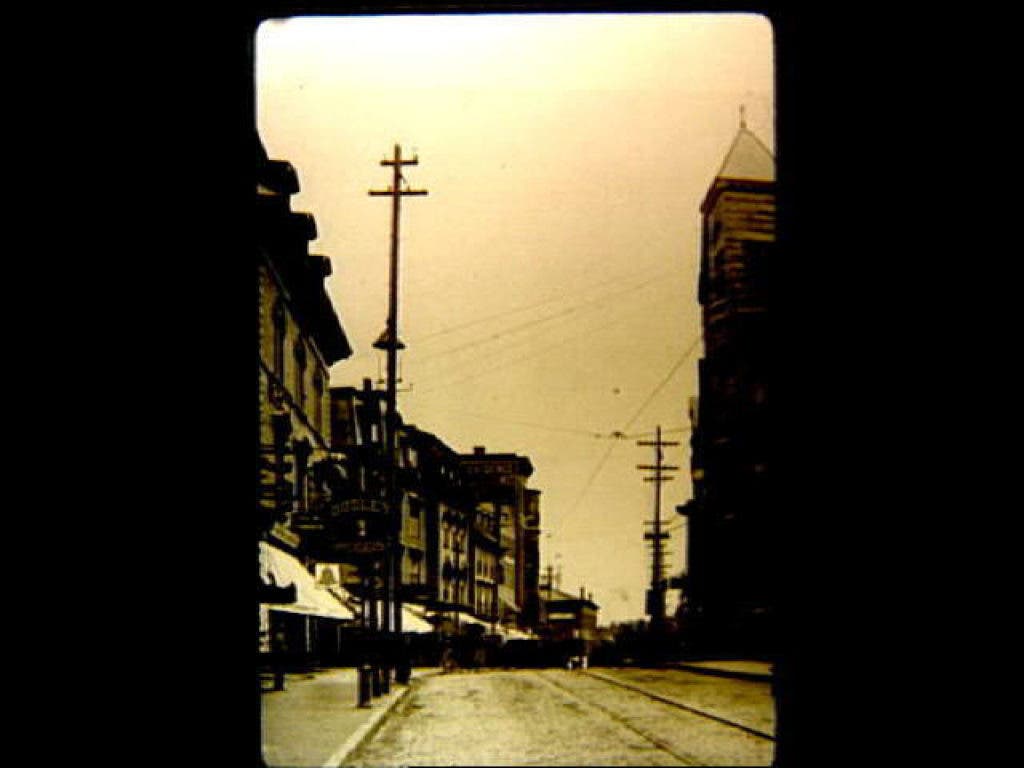
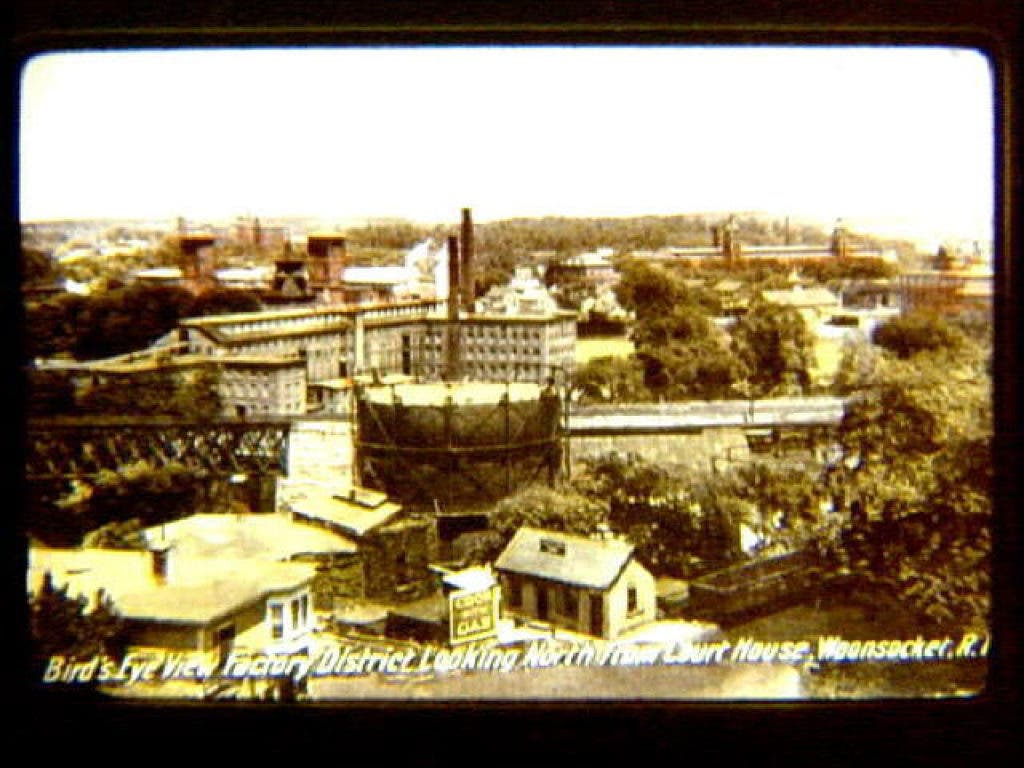


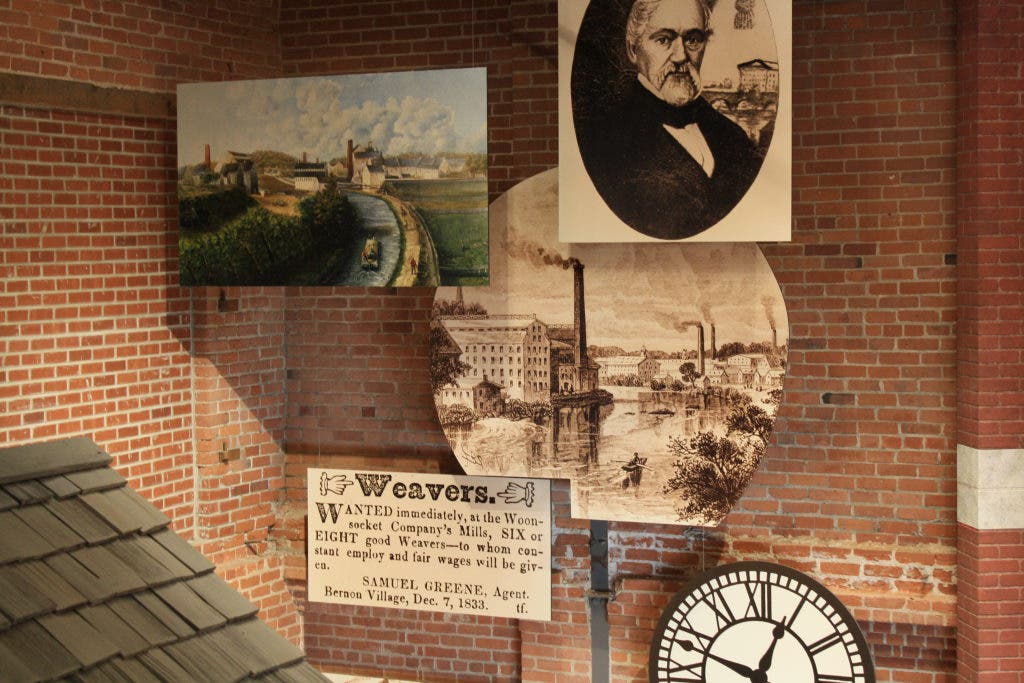


Do you know a French song? What did textile mills produce? Would you rather work in a mill or on a farm? If you and your children don’t have the answers to these questions, you surely will after spending a fun-filled day exploring the rich heritage of historic . Starting at the , children and their families will soon learn that Woonsocket is a proud community with a deep, rich heritage. The museum is a true gem that exhibits the culture of Woonsocket’s French-Canadian residents featuring hands-on experiences for visitors of all ages. The interactive museum presents the compelling story of immigrants who came to find a better life in the mill towns along the Blackstone River.
As a visitor enters the spinning mill exhibit at the Museum of Work and Culture, in Market Square, there is a slight clicking sound. Click. Then suddenly the sounds of machinery fill the room.
Just above the noise, a voice begins to tell his story.
Find out what's happening in Woonsocketfor free with the latest updates from Patch.
“When the French Worsted folded,” the voice starts, “It was like burying an old friend. They sent me a check for $135,000. It was my pension for the 25 years that I worked there. I would have expected more from 25 years of devoted service, but that’s it, that’s all we got. You never get rich from working at a mill.”
Mills were the lifeblood of historic Woonsocket and the Museum of Work and Culture, located in Market Square, tells the story of how mostly French Immigrants built an industrial hub on the banks of the Blackstone River.
Find out what's happening in Woonsocketfor free with the latest updates from Patch.
Exhibits inside the mill depict the evolution of Woonsocket, from a small community that embraced French-Canadian immigrants escaping tough conditions in the Province of Quebec to the mid-20th century, to the industrial powerhouse that it became.
The first exhibit a visitor will cross is a replica farmhouse that explains the way of life on a rural farm in Quebec, the previous home of many of Woonsocket’s past immigrants. From there you can enter the Church of the Precious Blood, a small Catholic church that screens a short movie about the transition from farm work to mill wage-labor. Catholicism was an important facet of everyday life in turn of the century Woonsocket and the city’s Catholic roots are evident in the many churches that stand today.
After exiting the church visitors find themselves in a large open room, the textile mill floor, where replica machines are stored and disembodied voices tell their stories of working at Woonsocket’s many mills.
By 1920 Woonsocket had become a center of textile manufacturing. At that time the city was home to the Guerin Spinning Company, Lafayette Worsted Company, the French Worsted Company, Jules Dursemont Spinning Company, Lawton Spinning Company and the Woonsocket Spinning Company, as well as many other small clothing, yarn and dye manufacturers, according to “Woonsocket: A Centennial History.”
Even with the economic success that the mills brought to Woonsocket, the large amount of average mill workers were struggling with poor working conditions.
They lived in triple-decker homes, a common sight around modern day Woonsocket, with large families. Inside the museum is a replica of one of these homes; they feature small front porches, and intimate rooms.
The Independent Textile Union Hall exhibit showcases the story of how workers united together to form a union in the midst of the Great Depression. Inside the exhibit are old newspaper clippings, a podium from the old Union Hall, and photographs of the labor movement’s leaders.
Also, pushing a small red button on the back wall will bring down a white screen and, after a minute, a 10-minute documentary about the union’s founding begins to play. The video tells about poor working conditions, child labor, and mill foremen giving special preference to employees who did favors for them. But after a vicious strike in 1934, in which two men died, the union began making many reforms to improve the lives of its members.
Other exhibits inside the Museum include a Catholic school classroom that takes visitors back to 1929 when residents were discussing “La Sentinelle,” a movement meant to protect the French-Canadien immigrants’ culture and Catholicism from encroaching American influences.
There’s also a portrait gallery of some of the most influential mill owners, a new exhibit showcasing the Irish and Asian immigrants that later came to Woonsocket, the “Merci” train car, which includes the actual car that France donated to Rhode Island after World War II and a rotating exhibit space, which often includes artwork and photography from the community.
Like the roots of Woonsocket, the Museum of Work and Culture was built in an old mill building. The two-story red-brick building at 42 Main St. was the former home of the Barnai Worsted Company. The Museum opened in October of 1997 and costs $8 for adults and $6 for senior citizens and students, children under 10 can enter for free.
Hours are 9:30 a.m. to 4 p.m. Tuesday through Friday, 10 a.m. to 4 p.m. on Saturdays and 1 p.m. to 4 p.m. on Sundays. The Museum is closed on Monday.
Historical Facts:
- Woonsocket was established in 1888.
- Native Americans such as the Nipmucs, Wampanoaags and Narragansetts first settled the land that would later become Woonsocket.
- Population – 41,186 (according to 2010 census)
- The city is home to the headquarters of pharmacy giant CVS Caremark
- George H. Grant, a machinist, Captain for the North in the Civil War and mill superintendent, was elected to be the first Mayor of Woonsocket by a vote of 760 – 731 over Democrat Daniel B. Pond in December of 1888.
- Mount St. Charles, a private Catholic high school in Woonsocket, was founded in 1924. It is a hockey powerhouse known for its record streak of 26 straight state championships from 1978 – 2003.
- A labor riot on September 12, 1934 resulted in deaths of two men and more than $100,000 in damage to buildings around Social Street. The riot and the days leading up to it are referred to as “The Great Textile Riot of 1934”
- Woonsocket was the birthplace of two baseball hall of famers – Second baseman Napoleon “Larry” Lajoie (who still holds the highest American League batting average ever, .422) and catcher Charles Leo “Gabby” Hartnett.
- The city’s only remaining daily newspaper, The Woonsocket Call, was first published on May 31, 1892 in response to a lack of Democratic political news in the city.
- Susan D. Menard was the only female to serve as mayor of Woonsocket. She occupied the position from 1995 – 2008, which made her the longest serving mayor in Woonsocket’s history.