Neighbor News
This Johns Island Executive Is Helping Nonprofits Stay Strong for the Long Run
Ryan Dewey Smith, CEO of Inperium, says organizations do not have to face growing challenges alone.

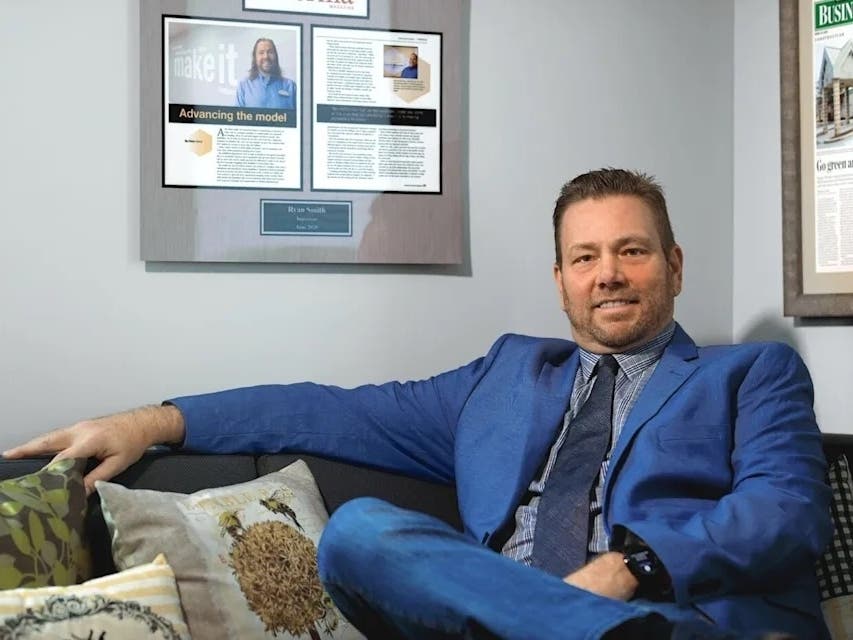
On Johns Island, neighbors still know one another. Community events bring people together. Local nonprofits often rely on volunteers, donations and personal relationships to meet the needs of families facing difficult times.
For Ryan Dewey Smith, that sense of community is more than just part of daily life. It has shaped the way he leads.
Smith, a Johns Island resident and CEO of Inperium, has spent years helping nonprofit organizations find ways to survive financial pressure without losing the trust they have built in their communities. His work focuses on one idea that is becoming more important across the nonprofit sector: organizations do not have to face growing challenges alone.
Find out what's happening in Charlestonfor free with the latest updates from Patch.
Across the country, nonprofits are dealing with higher operating costs, workforce shortages, stricter regulations and increasing demand for services. Many continue serving their communities despite limited resources. While the public often sees organizations operating as usual, Smith says the reality behind the scenes can be very different.
"They're still showing up every day for the people they serve," he says. "But many leaders are quietly worrying about payroll, technology, compliance and whether they can keep the doors open."
Find out what's happening in Charlestonfor free with the latest updates from Patch.
Those struggles rarely stay inside the organization.
When a nonprofit closes, families lose trusted support systems. Children lose programs they rely on. Individuals recovering from addiction or living with disabilities may suddenly find themselves without services. Employees lose jobs, and communities lose organizations that often have no replacement.
For Smith, those outcomes reinforce the importance of building stronger nonprofit organizations before they reach a crisis.
Community Trust is the Foundation of Strong Nonprofits
Living on Johns Island has strengthened Smith's belief that the most effective nonprofits are deeply connected to the people they serve.
He says successful community organizations are built on trust, local relationships and a clear understanding of neighborhood needs. Those qualities cannot simply be recreated by an outside organization.
That philosophy also guides Inperium's approach when partnering with nonprofits.
Instead of replacing local leadership or changing an organization's identity, the goal is to strengthen what already works. The nonprofit keeps its mission, its relationships and its connection to the community. Behind the scenes, however, it gains access to financial expertise, technology, operational support and shared administrative resources.
Smith believes many nonprofit founders hesitate because they fear losing what they spent years building.
He understands that concern. Many founders have dedicated decades to earning the trust of their communities. Protecting that legacy matters. But Smith believes there is an important difference between independence and autonomy.
"Independence can sometimes become isolation," he explains. "Autonomy means keeping your mission and culture while gaining the support needed to stay strong."
For many nonprofit leaders, that shift in thinking changes the conversation from survival to sustainability.
Strategic Partnerships Help Non-Profit Organizations Serve More People
Smith says the strongest partnerships are often invisible to the people receiving services. Families still see the same staff, programs continue and trusted relationships remain in place.
What changes is the organization's ability to plan for the future instead of constantly reacting to financial challenges.
Without stable infrastructure, nonprofit leaders often spend valuable time solving cash flow problems, managing outdated technology or meeting complex regulatory requirements. Those pressures make it harder to expand services or invest in employees.
After joining a larger support network, Smith says organizations can redirect their attention where it belongs, helping people.
He recalls one nonprofit that approached Inperium while facing an immediate cash flow crisis. Leadership worried they would miss payroll, putting thousands of individuals and families at risk of losing essential services. Through the affiliation, the organization stabilized its finances, strengthened its operations and continued serving its community without interruption.
The people relying on those services never experienced a disruption. Instead, they gained confidence that their trusted provider would remain available for years to come.
For Smith, that is the true measure of success. His message to nonprofit founders is simple: sustaining a mission sometimes means accepting support, not resisting it. Ultimately, he says every leader should ask one question: What legacy do you want to leave?
If the answer is ensuring the organization continues serving people long into the future, then sustainability must matter just as much as independence.