Neighbor News
Inside the Crisis: Crenshaw Police Chief Adrian Kirkwood on Winter Storm Fern’s Toll on Rural Mississippi
Amid county fatalities and widespread outages, a law enforcement official recalls improvisation and protecting the vulnerable

CRENSHAW, Miss. — Winter Storm Fern delivered one of the most punishing weather emergencies Panola County has faced in decades, a storm many residents now compare to the brutal winter of ’94. It swept across North Mississippi with heavy snow and nearly an inch of ice, crippling infrastructure and isolating entire communities. What began as a fast‑moving winter system has now escalated into a regional crisis, leaving residents stranded, roads impassable, and emergency services stretched to their limits.
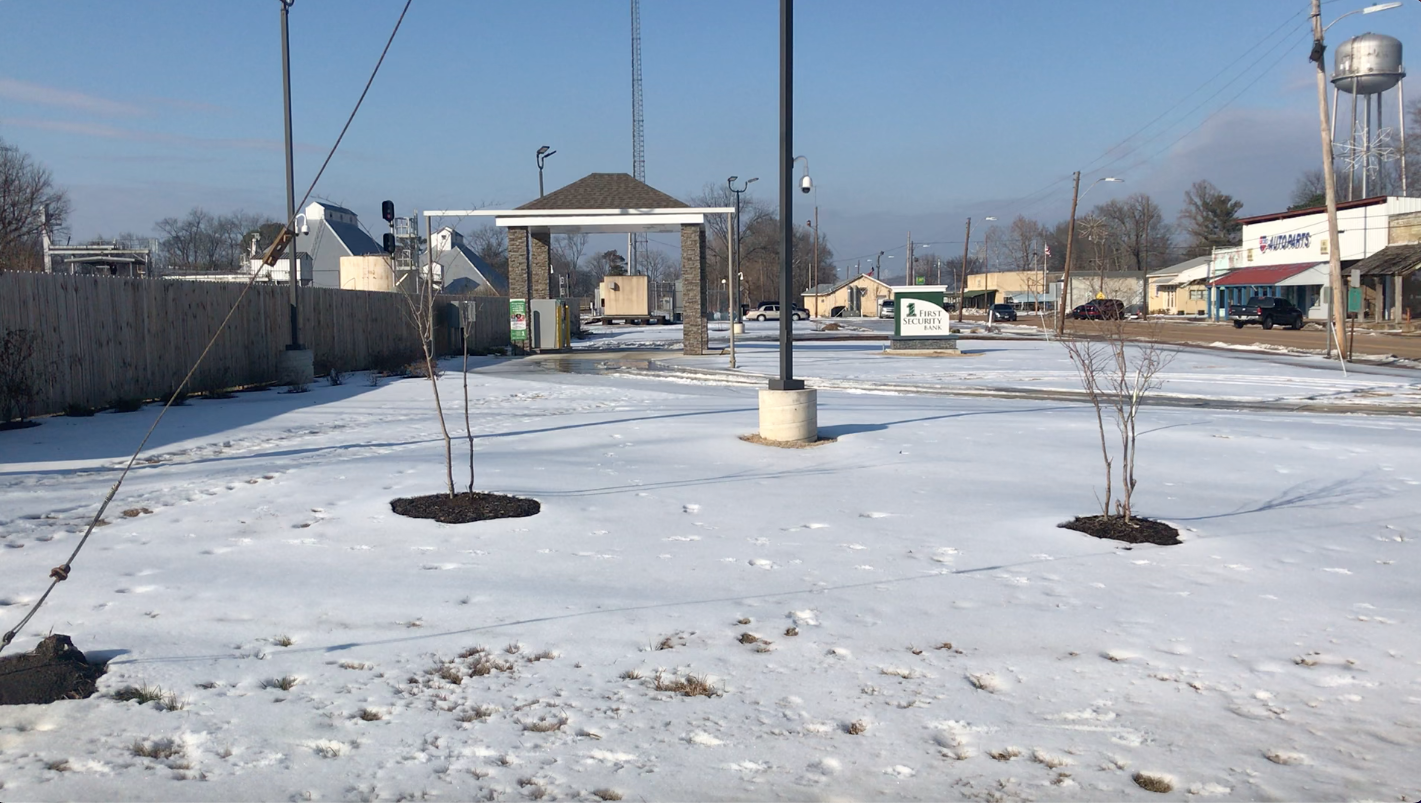
Statewide, more than 55,800 customers lost power as ice snapped trees and downed lines. Rural communities — already operating with fewer resources, fewer plows, and longer emergency response times — bore the brunt of the prolonged outages. In Panola County and its neighboring towns, the storm triggered a cascade of challenges: blocked roads, overwhelmed ambulance services, and critical medical needs that became harder to reach by the hour.
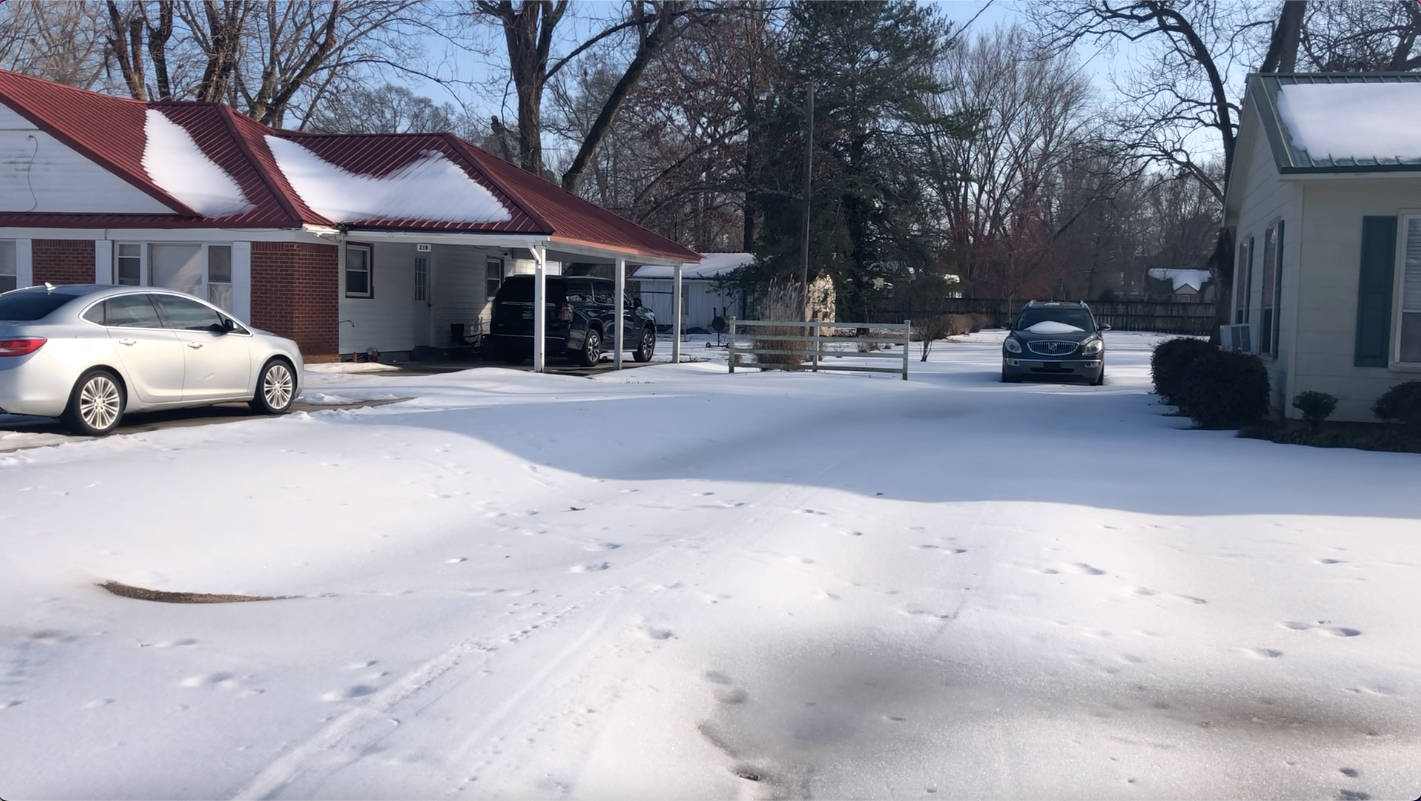
By week’s end, Mississippi’s death toll had climbed to 23, a stark reminder of how quickly extreme weather can overwhelm rural systems.
Find out what's happening in Memphisfor free with the latest updates from Patch.
State and local agencies worked around the clock to restore utilities, clear debris, and distribute emergency supplies, but recovery remained uneven — with some communities inching toward normalcy while others continued to struggle for basic services.
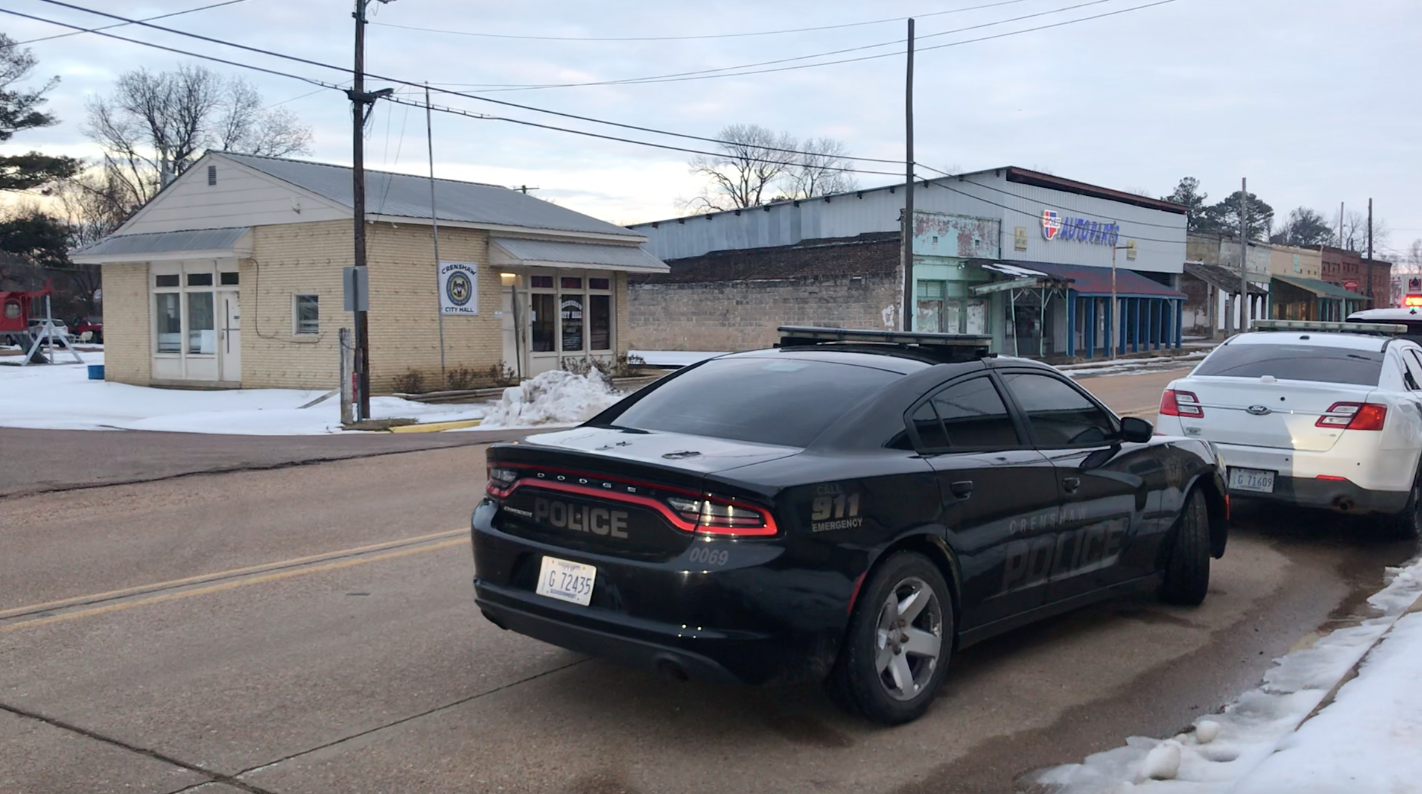
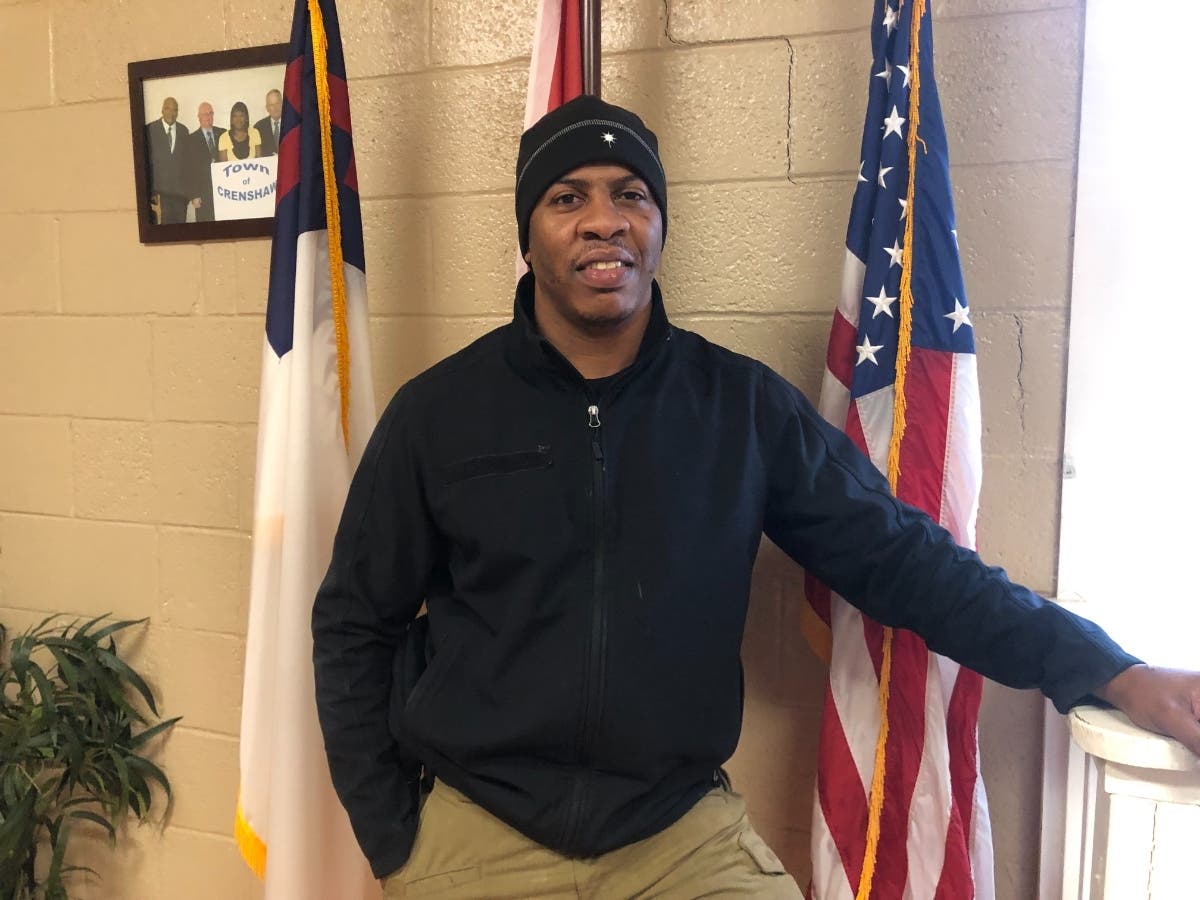
It was against this backdrop that Crenshaw Police Chief Adrian Kirkwood sat down Wednesday evening to reflect on the storm, the strain on his small department, and the lessons Fern forced rural Mississippi to confront. His account — part frontline report, part meditation on community — offers a window into how small towns survive when the systems around them begin to fail.
Find out what's happening in Memphisfor free with the latest updates from Patch.
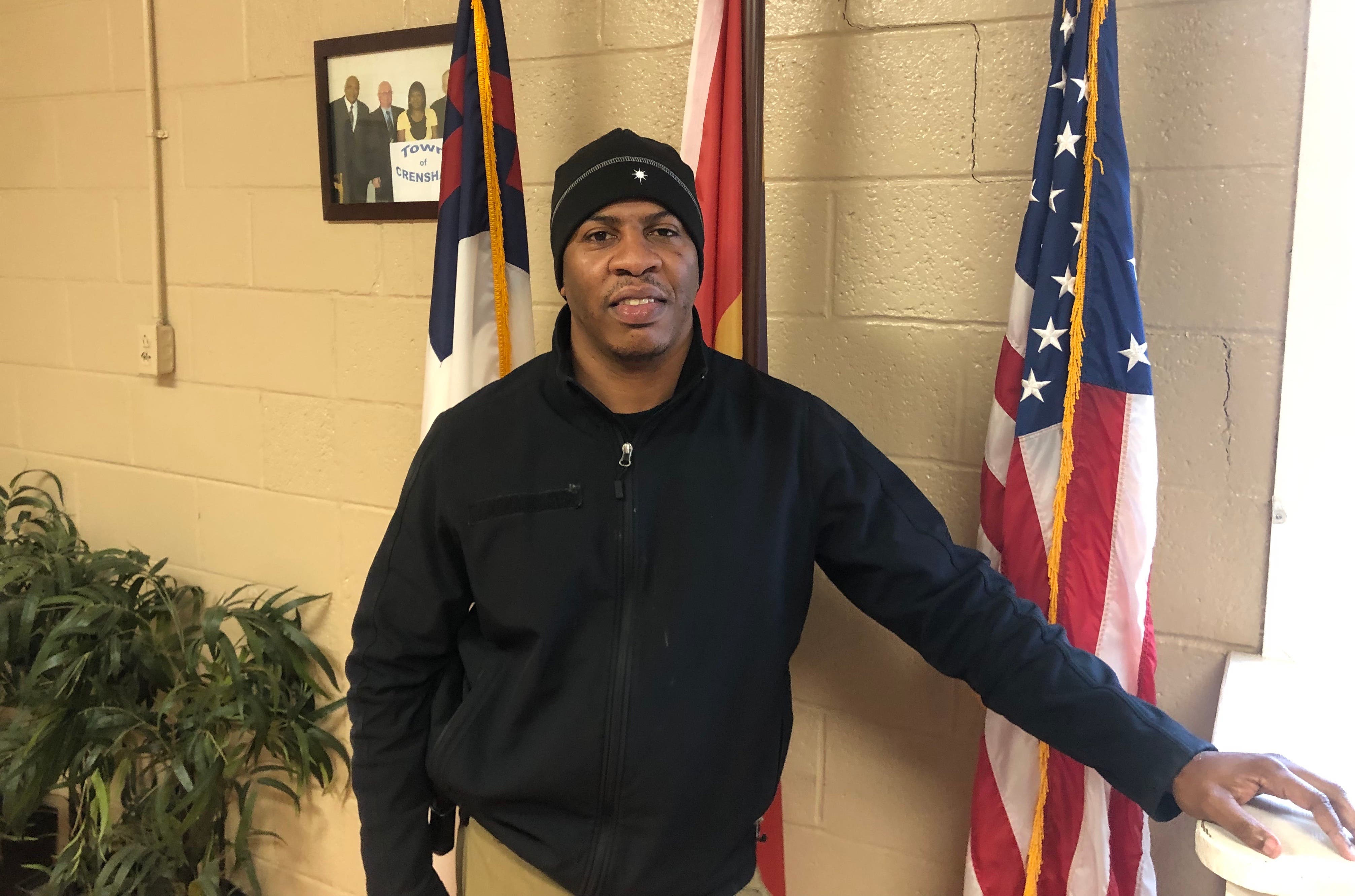
Q&A WITH CHIEF ADRIAN KIRKWOOD
Q: Crenshaw was one of the few towns in the region that didn’t lose power. What did the storm look like from your vantage point?
Kirkwood: “We didn’t lose power here in town, but that didn’t mean we didn’t have problems. People still had to get from place to place, including dialysis patients who needed rides to the doctor. And we had to make sure our roads were clear so people could get where they needed to be.”
Q: What were your biggest concerns for vulnerable residents?
Kirkwood: “Just elderly people that couldn’t get from here to there. Some of them needed help getting to medical care. That was a major concern for us.”
Q: How did nearby communities fare compared to Crenshaw?
Kirkwood: “Some of my own family members in Batesville and Oxford lost power for a while. Oxford was hit pretty bad. So even though we kept our lights on, we were surrounded by places that didn’t.”
Q: How did your officers handle the week?
Kirkwood: “My staff showed up. They were able to come to work, make sure everybody else in the community was safe and got what they needed. I’m proud of them for that.”
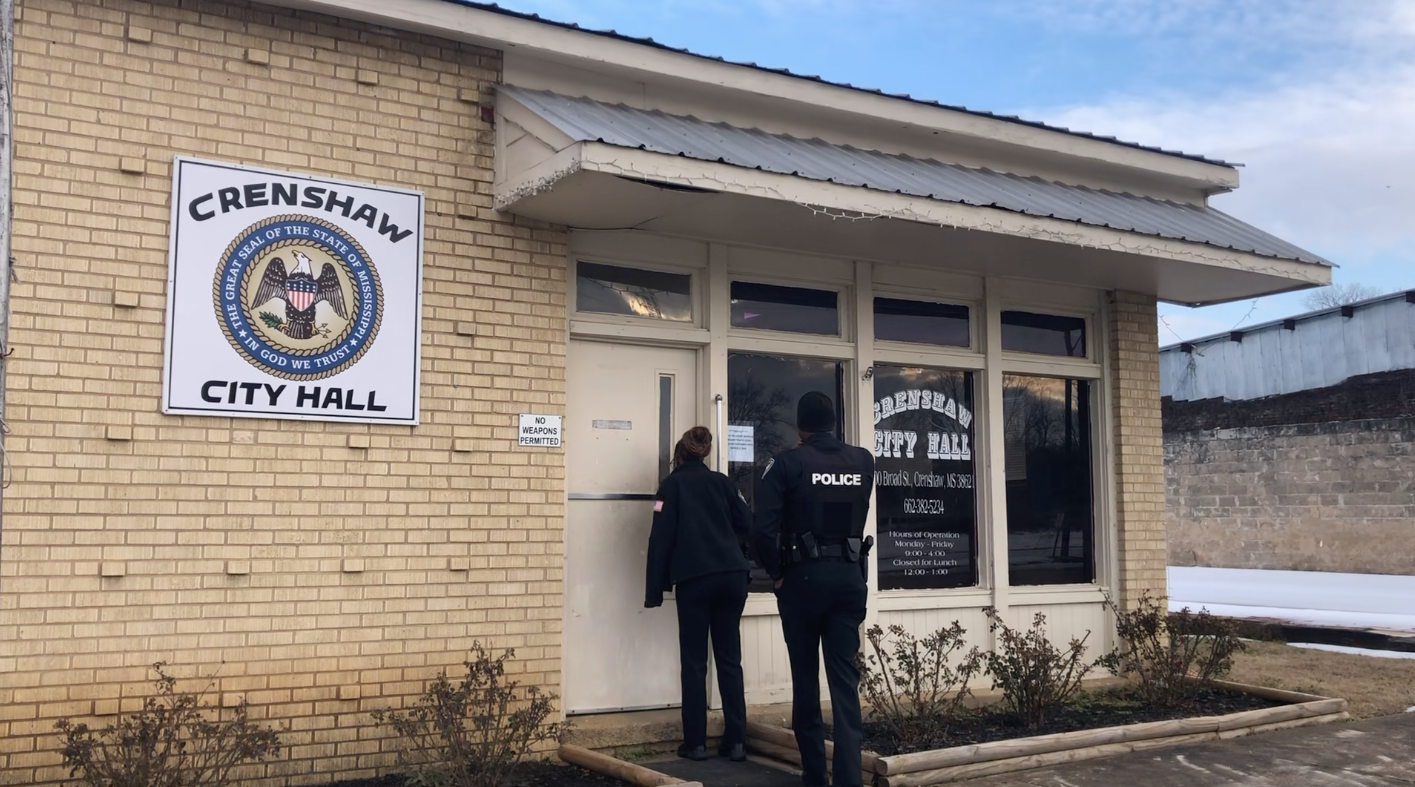
Q: Road conditions were a major issue across Panola County. What did that look like for a small town like Crenshaw?
Kirkwood: “Many people can’t drive on it. The snow just ain’t leaving fast enough, and we don’t have the plows. So we have to use our backhoe to kinda clear the roads. But that’s gonna cause damages to the roads. That’s just the reality for small towns.”
Q: What did this storm reveal about preparedness?
Kirkwood: “It really let us know that we have work to do so we are better prepared for the next one. This storm showed us where the gaps are.”
Q: How does coordination work between the town, the county, and the state during an event like this?
Kirkwood: “Here in the town it’s our responsibilities. The county has theirs. The state handles highways. Everybody has their own job. But when something like this hits, you really see how all those layers have to work together.”
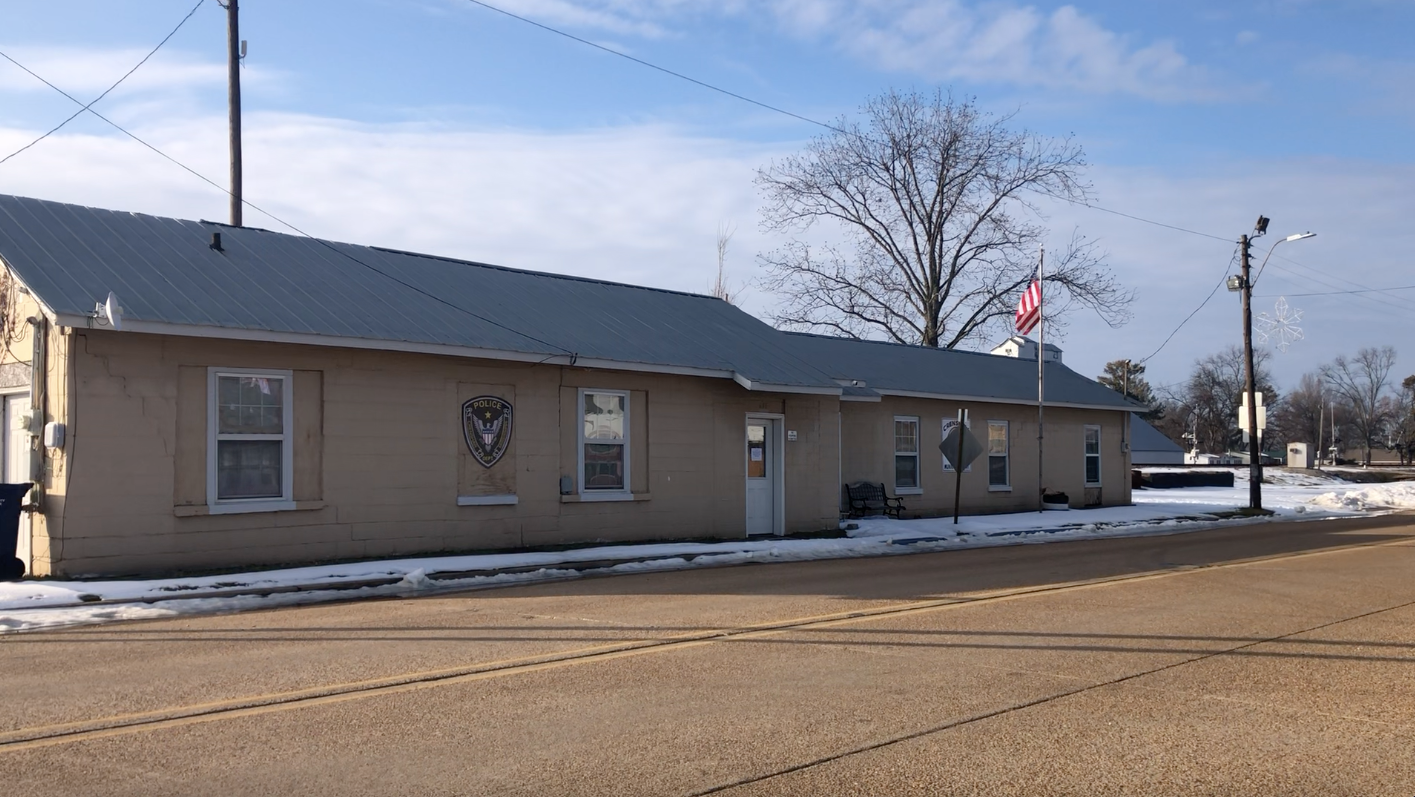
Winter Storm Fern, which struck Panola County in late January 2026, is proving to be one of the most severe winter events in recent memory. Heavy snow and nearly an inch of ice have coated trees, power lines, and roads, triggering widespread damage and long‑term outages.
County officials declared a local disaster on January 24, activating the Panola County Emergency Management Plan. Emergency crews continue to face overwhelming demand as ambulance services are delayed, roads remain blocked, and resources are stretched thin.
The Mississippi National Guard, state agencies, and nonprofit groups are assisting with clearing roads, distributing supplies, and conducting welfare checks.
By early February, five weather‑related deaths had been confirmed in Panola County alone. Many of those fatalities occurred at the height of Fern’s impact, when icy roads, downed trees, and freezing temperatures slowed emergency response across the county and the rest of the state.
Roughly 40% of the county remained without power as of Tuesday evening. As of Friday afternoon, Daniel Cole, the county’s emergency management director, told me in an exclusive interview that the number of residents without electricity had dropped to “around 4,000 for the county.” So the numbers are improving. Utility crews from across the country are working to restore service, while warming centers continue operating to support residents without heat.
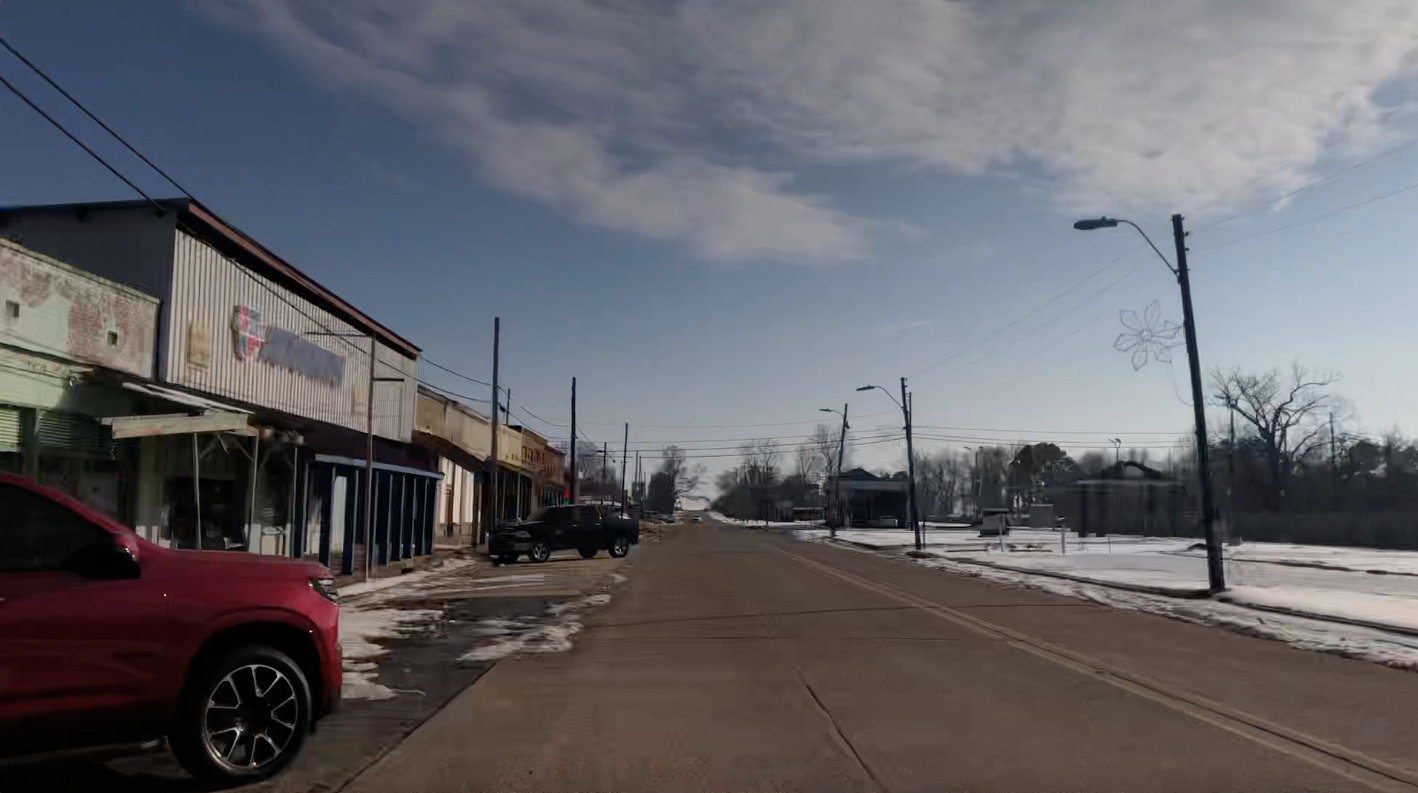
Schools and colleges across the region have been closed for days. Northwest Mississippi Community College and South Panola Schools remain suspended, and the North Panola School District has extended closures due to ongoing hazards.
For families across Panola County, the prolonged shutdown has taken a toll. Children who have spent days indoors — many without electricity — are eager for a return to routine. “I wanna go back to school,” one North Panola student said Saturday, bundled in a coat inside a darkened home.
Chief Kirkwood, who also serves on the North Panola School District board, said the extended closures weigh heavily on him. “I wish I could do more,” he said. “Some of them don’t even have power to play video games.”
In speaking with another North Panola School District board member, Verna Lasha Hunter — a colleague of Chief Kirkwood and a longtime advocate for student welfare — she expressed grave concern about the storm’s impact on children’s mental health and the mounting strain on educators who will be expected to fill the gaps.
“My greatest concern is the learning loss during this time,” Hunter said. “We’ve got to show growth and proficiency. We were already lacking a little bit on growth for the first couple of semesters, and we’re coming up on the third. This is going to be a big drop for our students.”
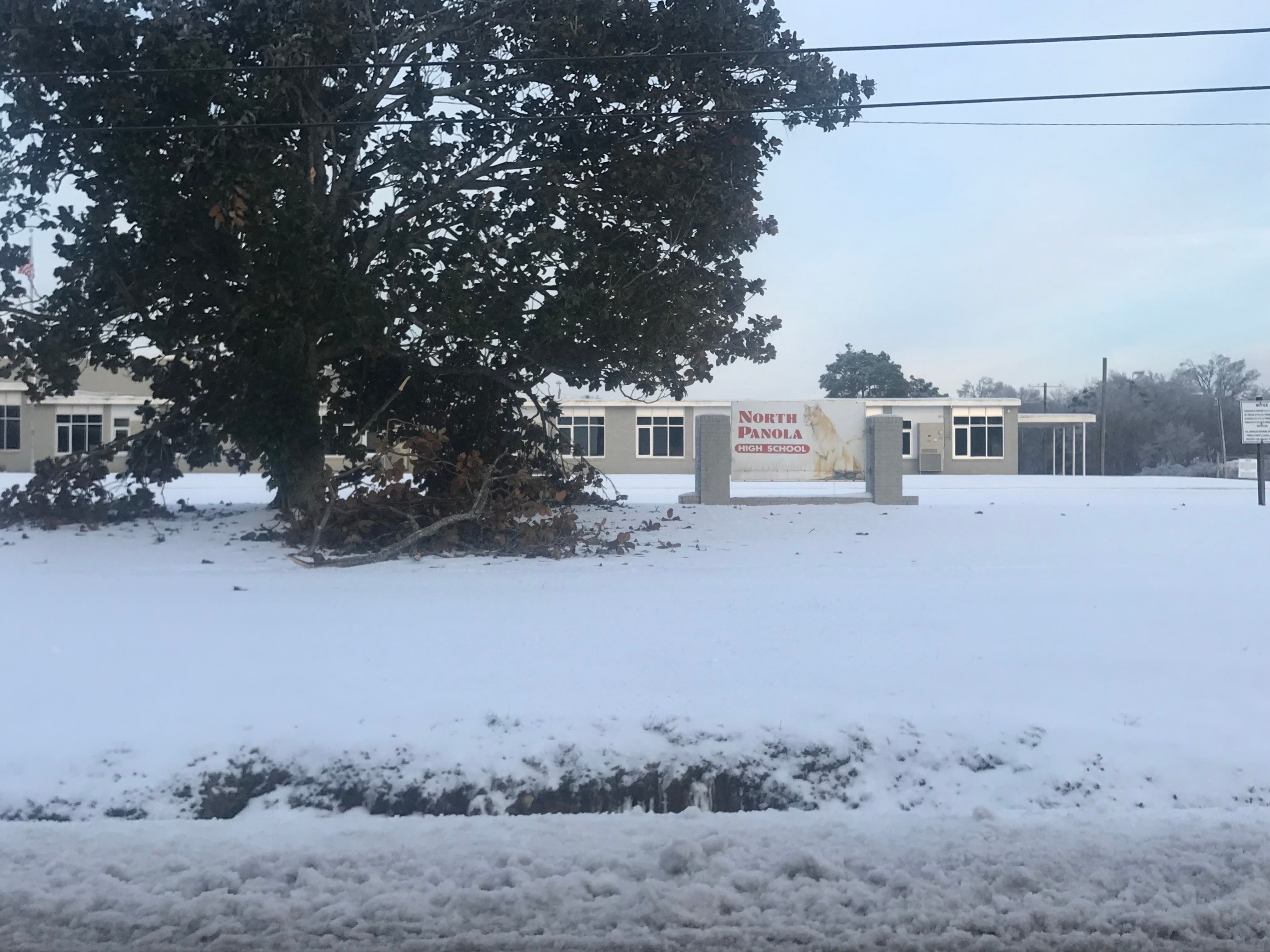
Hunter said the closures are more than an inconvenience — they represent a setback for a district already fighting to regain academic footing after years of pandemic‑era disruption, staffing shortages, and resource limitations. For many students, she added, school is not just a place of learning but a source of stability, meals, and emotional support.
When asked whether the police station could temporarily open its doors as a safe, warm space for local youth — a place to play Monopoly, Connect Four, UNO, maybe share a few pizzas — Kirkwood paused. The idea seemed to land with him. “That’s a great idea,” he said. “I’ve never thought about that. I’ll have to look into it.”
Recovery is expected to take weeks to months. Officials warn residents to be cautious of scams targeting those seeking debris removal and to remain patient as crews continue clearing ice, restoring power, and repairing infrastructure.
The numbers are daunting, and the losses are real — lives cut short, days of school and work erased, groceries spoiled, routines upended. None of that can be undone. But what has emerged across Panola County in the wake of Winter Storm Fern is something far more enduring than the damage: a quiet, stubborn resilience. Neighbors checking on neighbors. Strangers offering rides. Community leaders and first responders stepping into the cold without hesitation.
And in Crenshaw, the steady presence of Chief Adrian Kirkwood — whose calm leadership and small acts of service became lifelines for the people he serves — stands as a reminder of what holds a community together when everything else breaks. The snow is finally melting across the county, but the stories of those who stepped up in this moment of crisis may be the truest thaw of all, revealing a warmth that no storm can bury.
Editor’s note: This story was updated to include background information about the Town of Crenshaw to provide additional geographic and historical context for readers.
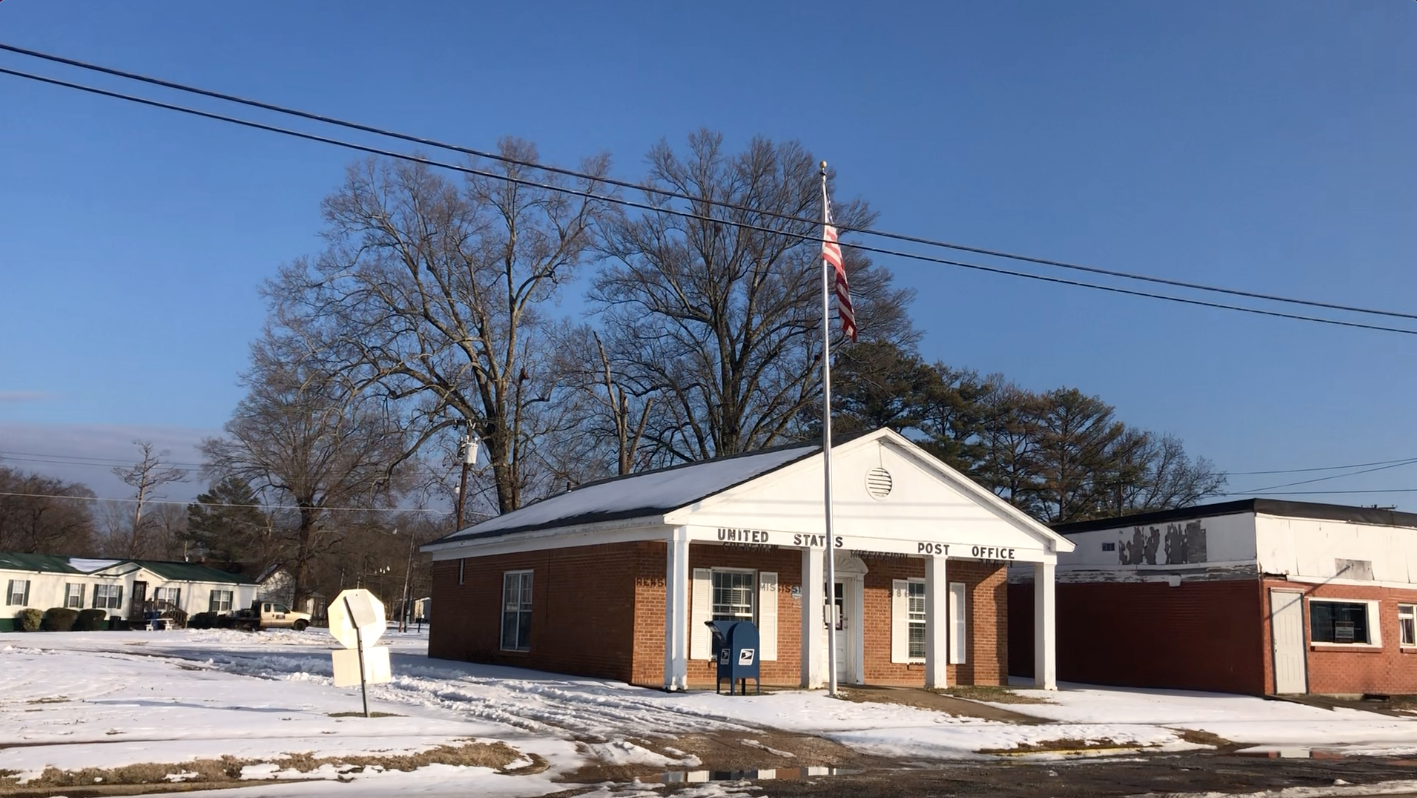
About Crenshaw, Mississippi
Crenshaw is a small Delta town located primarily in Panola County, with a portion extending into Quitman County. Situated along Mississippi Highway 3, the community sits near the borders of Quitman and Coahoma counties and is accessible via MS‑315, with Como to the east and Sardis to the northeast.
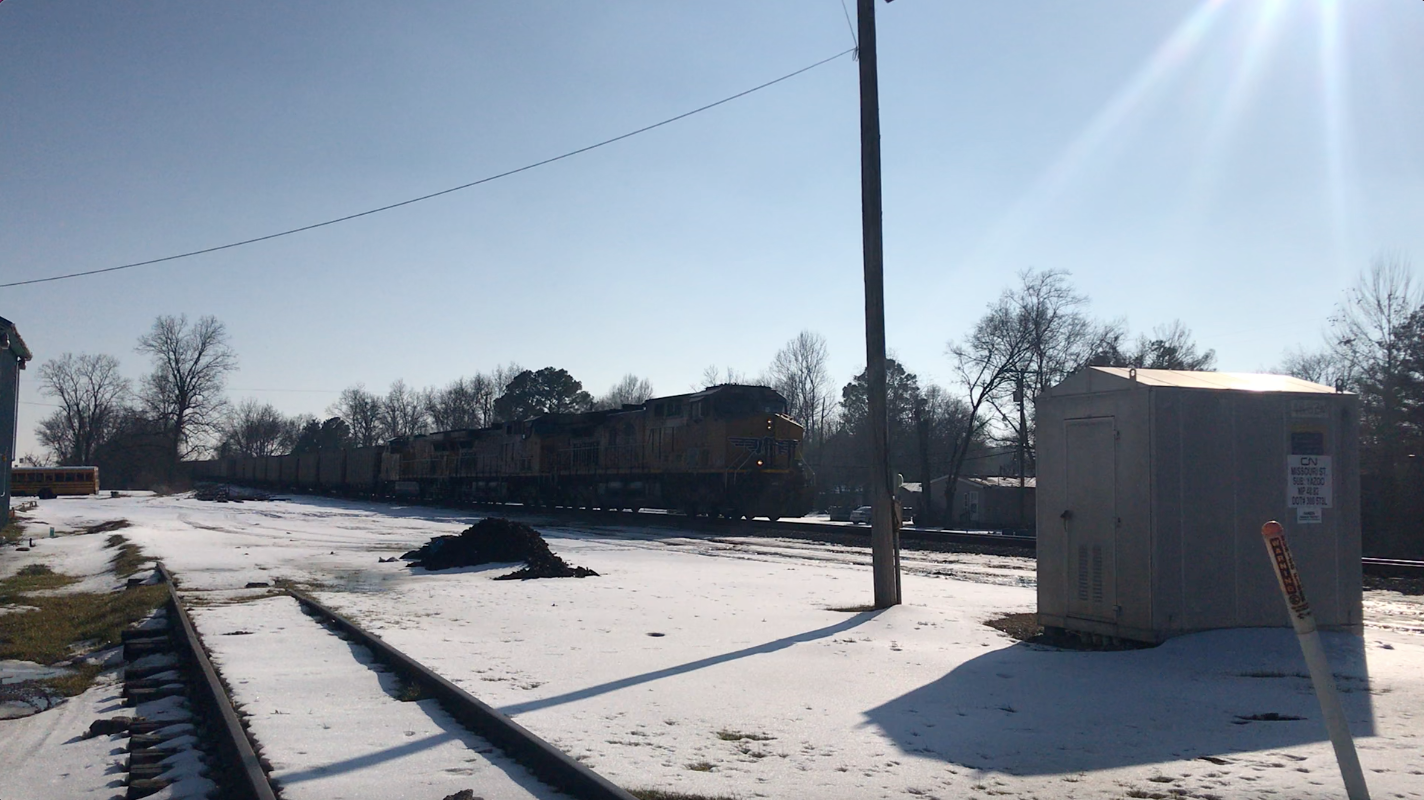
Covering less than half a square mile, Crenshaw has experienced significant population decline, falling to an estimated 675 residents in 2023. The town’s population is predominantly Black, and household incomes remain well below state and national averages. Founded along the Yazoo and Mississippi Valley Railroad, Crenshaw once supported agricultural businesses including an oil mill and cotton gin. Today, it remains a rural community shaped by its Delta geography, transportation links, and agricultural history.
About the Author
Germany Kent is a journalist and media professional covering local and national stories. She has reported on community issues, public affairs, and breaking news across multiple platforms.