Neighbor News
Lives Upended in Fern’s Frozen Footprint: Two Weeks Later, Mississippi Is Still Recovering
In Panola County, fourteen days without power or clear answers revealed both fragile infrastructure and fierce community resilience

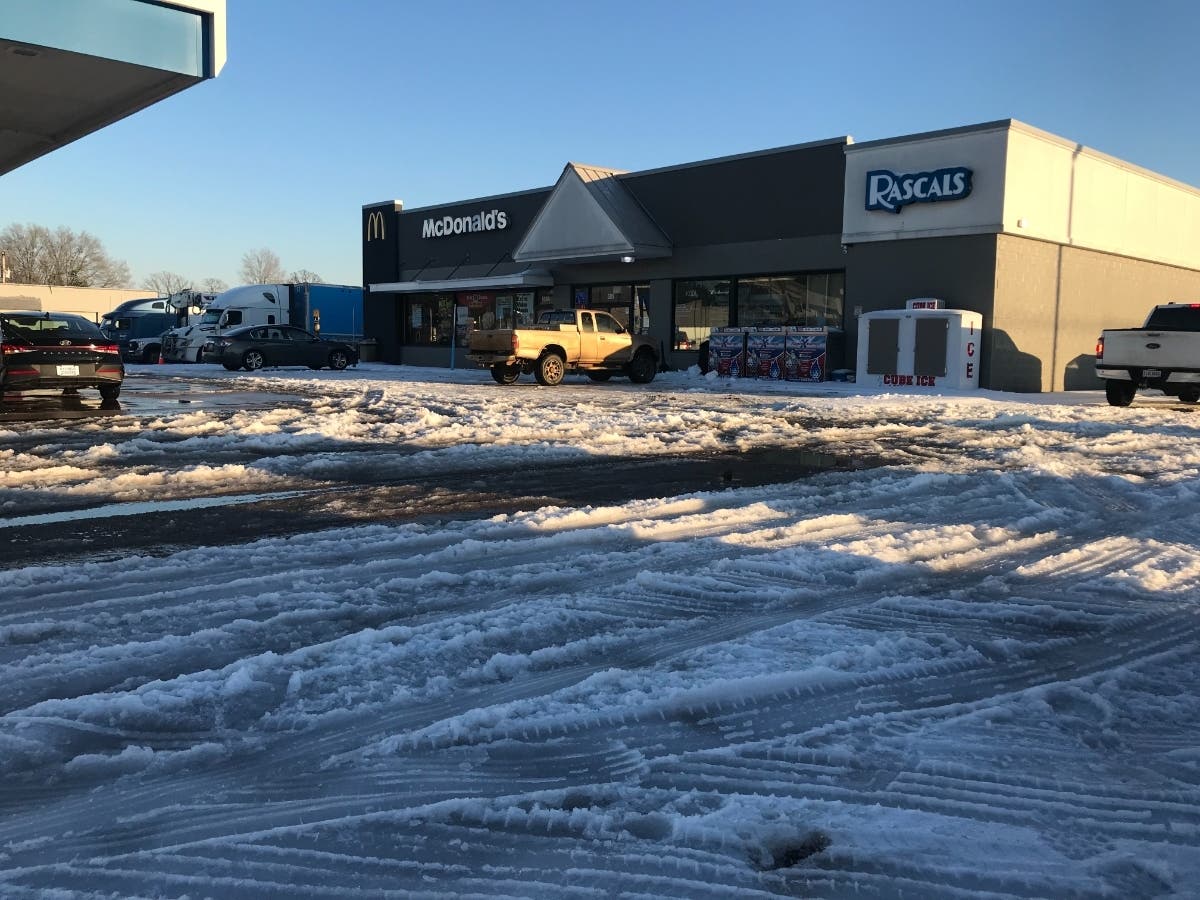
PANOLA COUNTY, Miss. — It has been two weeks since Winter Storm Fern swept across northern Mississippi and settled over Panola County with a force few here will ever forget. What began as a rare winter weather forecast turned into fourteen relentless days of darkness, cold, and uncertainty that exposed the fragility of rural infrastructure and the extraordinary strength of community.
History will remember Fern not simply as a snow and ice storm, but as a test of survival and accountability in a place where help could not arrive fast enough.
For many residents, the storm is not yet over.
Find out what's happening in Memphisfor free with the latest updates from Patch.
Tonight, some homes in Panola County remain without power.
In late January 2026, Fern arrived with snow, sleet, freezing rain, and nearly an inch of ice that coated trees, power lines, rooftops, and rural roads. What followed was widespread devastation stretching across the state. At the peak, roughly 180,000 homes and businesses across Mississippi were without electricity. Weeks later, tens of thousands in rural regions were still waiting for full restoration.
Find out what's happening in Memphisfor free with the latest updates from Patch.
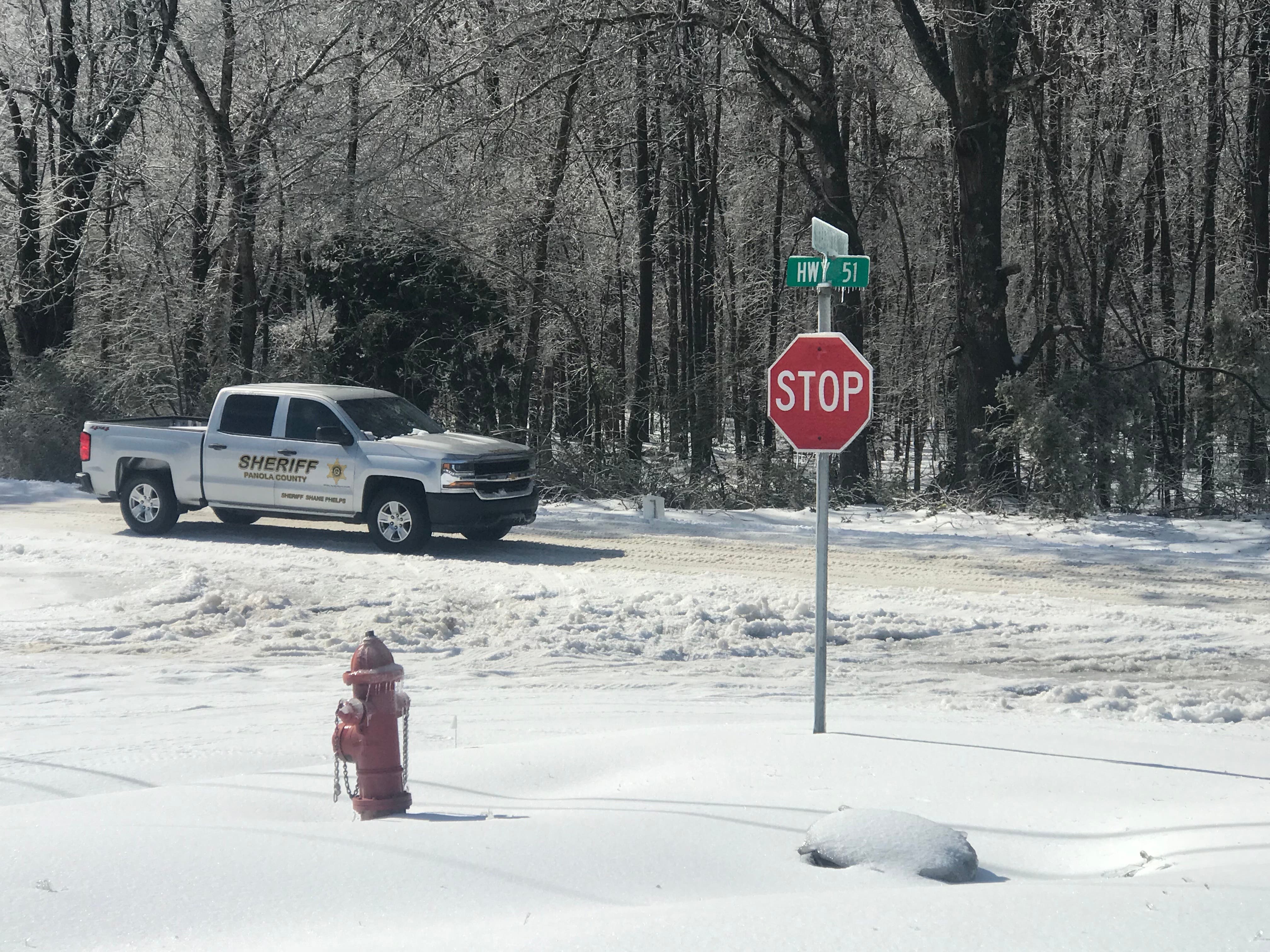
Panola County was among the hardest hit.
Fallen trees and limbs blocked roadways throughout the county. Power lines sagged and snapped under the weight of ice. Emergency vehicles struggled to navigate impassable roads. Residents were trapped in their homes with dwindling heat, water pressure issues, and no clear timeline for relief.
Many families here endured nine days or more without electricity.
Some endured longer.
The storm’s toll was not only measured in outages and debris.
According to state reports, the death toll across Mississippi climbed into the mid-20s, with Panola County at one point reporting the highest individual county death count in the state. Fatalities were tied to icy road accidents, exposure to extreme cold, and dangerous recovery efforts.
The grief is quiet but present in conversations across the county.
“This is something we’ve never seen before,” one local volunteer said at a supply distribution site. “You don’t expect this kind of disaster from ice.”
Before outside help could arrive, neighbors stepped into action.
Chainsaws buzzed through frozen mornings as residents cleared fallen trees from driveways and county roads. Pickup trucks hauled elderly neighbors to warming centers. Volunteers checked on shut-ins and delivered bottled water, food, and hygiene supplies.
Panola County Emergency Operations, alongside the Panola County Sheriff’s Office, organized supply distributions across the county. Sites popped up at volunteer fire departments in Courtland, Pope, Bynum, Mt. Olivet, Coles Point, Union, and even in the Greenhill Subdivision in Sardis.
At Patton Lane Park in Batesville, residents lined up for canned goods, dry food, water, pampers, and hygiene kits.
The Grace Place loaned a box truck to assist with deliveries. Volunteers staffed distribution tables in freezing temperatures.
“If you are a true shut-in and cannot get out, call us,” one announcement read. “We will try to deliver as resources allow.”
As power restoration lagged, another problem surfaced: water systems strained under low pressure and storm damage.
Multiple water associations issued precautionary boil water notices, including Hotophia, Independence, Liberty Hill, Pope-Courtland, and Plum Point water associations, affecting thousands of customers.
Even local leaders sought clarity.
“Is the boil water still in effect? Residents want to know,” Sardis Alderman Bonnie Smith posted publicly.
For residents, the guidance was often confusing and changing by the day.
Meanwhile, many households were told to let faucets drip continuously to prevent pipes from freezing — a measure that kept plumbing intact but left families worried about enormous water bills.
“That’s the main concern,” resident Sam Dunnigan shared online. “The continuous flowing of water to keep pipes from freezing is an enormous water bill. Since we’re under a state of emergency, seems like the state could help pay for it — especially for those on fixed income.”
For families already coping without power, the financial stress added another layer of anxiety.
As the scale of damage became clear — property destruction, injuries, threats to public safety — the county judge issued a local disaster declaration to mobilize emergency resources.
State and federal responses followed. Generators, warming shelters, bottled water, meals, and blankets were deployed. The Mississippi Emergency Management Agency, National Guard, and federal partners joined recovery efforts.
Governor Tate Reeves publicly thanked President Donald J. Trump and Secretary Kristi Noem after federal approval of $39.1 million in severe weather assistance.
“FEMA would continue to provide the needed support to the local and state-led recovery efforts,” Noem stated.
But on the ground, some residents voiced frustration.
“People in suits aren’t what makes Mississippi great,” Scott Pfahler wrote in a message directed at the governor on social media. “It’s the small-town mayors like Clinton Moffitt taking care of his city while people in suits are afraid of getting dirty.”
Another resident wrote bluntly: “Proper preparation prevents poor performance. If the Amish can do it, so can you.”
The criticism reflected a broader sentiment: rural communities often feel forgotten until disaster strikes.
In Batesville, city leaders struck a tone of resolve and unity.
“Over the last two weeks our entire community has suffered, and everyone is tired,” a statement from City Hall read. “Winter Storm Fern hit hard, but Batesville is pushing forward together.”
City water and gas systems remained operational. Police, fire, and city staff worked nonstop. TVEPA crews labored in 16-hour shifts to restore power. Schools remained closed. Many businesses slowly reopened.
The city approved hiring outside vendors to manage massive limb and debris pickup, encouraging local contractors to apply for the work.
At the Batesville Civic Center, officials emphasized continued support for vendors and events that bring life to the community — a signal that normalcy, however distant, was still the goal.
“Compassion and common sense are evident,” the statement read. “Negative comments only add to the stress when what we need most right now is patience, cooperation, and teamwork.”
Fern exposed what many here already knew: rural infrastructure is not built for prolonged ice events.
Power lines stretch miles through wooded areas. Roads wind through forests and farmland. Emergency access is limited when trees fall in every direction at once.
What might be an inconvenience in a city becomes a crisis in the countryside.
For days, some residents could not leave their properties. Others relied on fireplaces, propane heaters, and generators. Cell service faltered. Information traveled slowly, often by word of mouth or social media posts.
Yet in those gaps, community filled the void.
Two weeks later, Panola County is still digging out.
Debris remains piled along roadsides. Schools are just starting to reopen. Some families are still boiling water. Others are waiting for the hum of electricity to return.
Recovery is happening — but slowly.
Residents describe it the same way, over and over: one day at a time.
This storm will be remembered for the hardship it caused. But it will also be remembered for what it revealed — neighbors who became rescuers, volunteers who showed up without being asked, and a rural county that refused to be defeated by ice and darkness.
When help could not arrive fast enough, Panola County helped itself.
And that may be Fern’s most lasting legacy.
About the Author
Germany Kent is a journalist and media professional covering local and national stories. She has reported on community issues, public affairs, and breaking news across multiple platforms.