Politics & Government
Dallas bans short term rentals in single family neighborhoods
After four years of public discussion, Dallas City Council has finally imposed zoning restrictions banning short term rentals.


Dallas - Following a protracted, four-year public dialogue on the contentious issue of short-term rental properties, Dallas City Council has passed zoning restrictions, which effectively eliminate these operations from single-family residential zones.
In an attempt to strike a balance between competing interests, the city council has given short-term rentals (STRs) a lifeline, allowing them to continue operating within commercial and multi-family zones.
A decisive 12-to-3 majority vote marked this groundbreaking decision, which closely followed a more disputed vote that failed to safeguard existing STRs in single-family neighborhoods - even those that consistently pay hotel taxes. This unsuccessful motion was narrowly defeated, with a vote count of 7 for and 8 against.
Find out what's happening in Dallasfor free with the latest updates from Patch.
Simultaneously, the council approved regulations for the remaining STRs, set to take effect in December. This strategic delay provides STR operators a chance to downsize their operations, while giving city code enforcement adequate time to prepare for the new regulatory landscape.
This week's city council meeting at Dallas City Hall was the site of a fervent debate, attracting a deeply divided audience. Attendees anxiously awaited the outcome, each side hoping the decision would favor them.
Find out what's happening in Dallasfor free with the latest updates from Patch.
Highlighting the intensity of this issue, a list of 60 individuals - keen to share their views - filled the council's public speakers roster. Although public hearings usually start at 1 pm, the packed agenda on Wednesday meant STR-related speeches were not heard until the late hour of 6:30 pm. A lengthy council discussion followed, with the final vote occurring around 11:30 pm.
This crucial meeting served as the final voting session for two council members, whose terms are expiring, precluding their continued service.
The week leading up to the decision introduced an unexpected twist when city staff veered from the Dallas Plan Commission's recommendation from the previous year. They injected a new element into the debate by proposing a formal recommendation that contradicted the Plan Commission's earlier proposal.
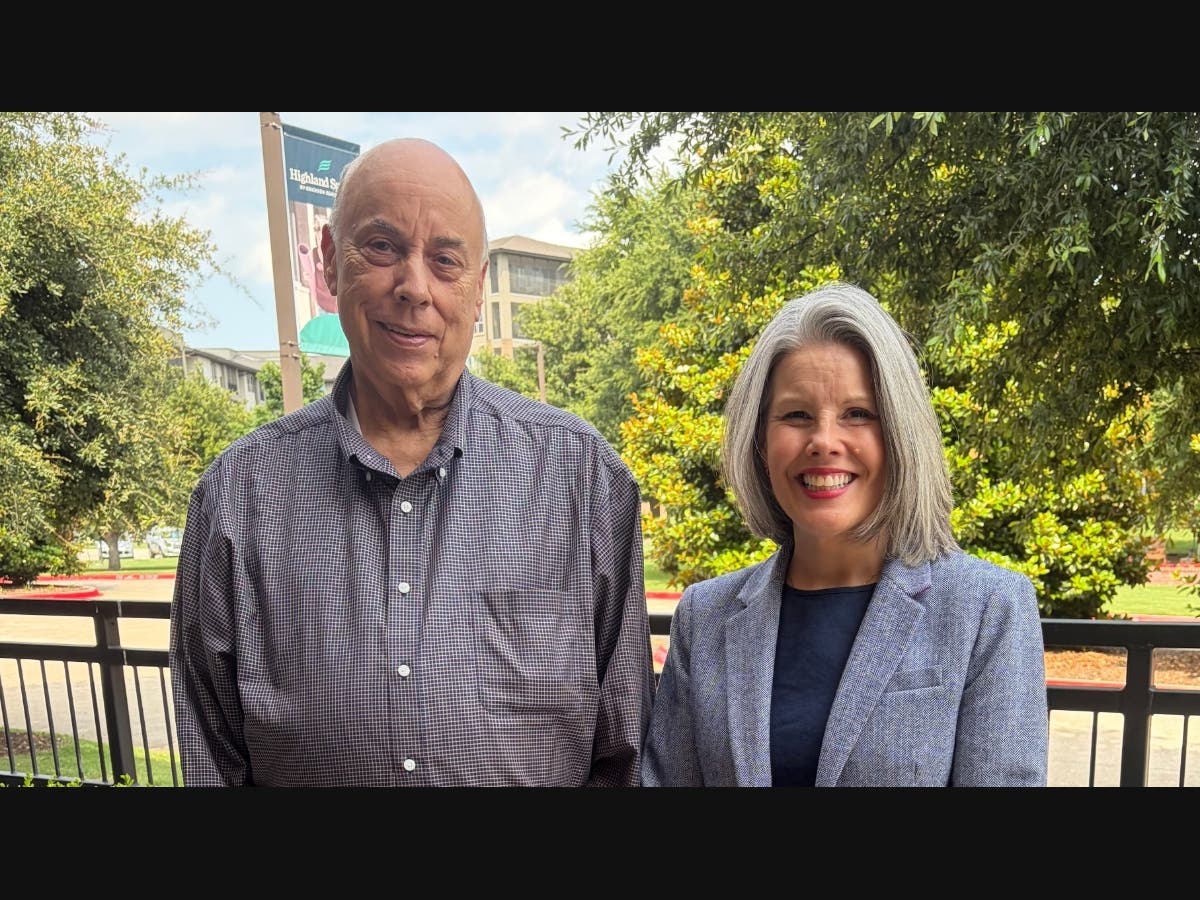
Olive Talley was at the vanguard of opposition to STRs, assuming a significant role in the conflict against short-term rentals.
“We are looking to save homes and housing and neighborhoods,” Talley said.
Lisa Sievers, a host active in the short-term rental business, recently shared her perspective on the ongoing controversy around their operation.
“We have zero 311 calls, zero 911 calls and we don’t allow any parties at our short-term rentals,” Sievers said.
Yet, city officials noted that even with such self-regulation, while many short-term rentals have steered clear of city complaints, a small number have gained infamy for severe disruptions, including gunshots and loud parties. These instances have incited substantial concern among nearby residents.
Detractors of the short-term rental industry argue these businesses deprive local communities of valuable housing opportunities meant for long-term rental tenants. Supporting this viewpoint, the Dallas Plan Commission proposed categorizing short-term rentals as "lodging," a label that's prohibited in areas zoned for single-family homes.
In agreement with this recommendation, the city council approved a similar position but added a significant amendment: an exemption for multi-family zones. This ruling could potentially end over 1,000 currently operational short-term rentals. Olive Talley, a prominent voice in the debate, added,
“We are saying we don’t want lodging business, hotels, to be operating in areas that are zoned for residential purposes,” Talley said.
As the Dallas City Council prepared for the crucial vote, city staff threw a curveball by departing from the proposed zoning approach. Instead, they proposed a liberal policy, permitting short-term rentals to operate unrestricted but under regulations potentially limiting their operation in certain areas. This strategy also considered stricter rules than Dallas had previously enforced.
One proposed rule was an annual fee of $248 per short-term rental. These funds would be channeled to strengthen code enforcement resources, historically under-resourced in managing short-term rental issues. Sievers backed the new charge.
“This is all paid by the short-term rental people, OK? Money to fund the extra enforcement officers, who work nights and weekends, which is when these kinds of issues happen,” Sievers said.
The timetable for Wednesday's Dallas City Council meeting had short-term rental advocates anticipating sharing their opinions from 1 p.m. However, a full agenda caused a delay, moving their speaking slot to 6 p.m.
Despite the decrease in short-term rentals, the newly passed regulations mandate that registration fees continue to be gathered from the remaining STRs. However, the smaller pool will likely result in less funding for enforcement. Another regulation brought forward was a requirement for off-street parking, obligating one space per bedroom for each short-term rental.
Additional specifics regarding the regulations, such as the allowable number of short-term rentals in multi-family zones, will be clarified in upcoming discussions.
Credit: City of Dallas, Dallas Metro News, NBC DFW