Neighbor News
Adaptation, Identity, and Family: Dr. Su Yeong Kim on Bicultural Life in Immigrant Households
Dr. Su Yeong Kim sheds light on the challenges and resilience of immigrant families balancing tradition, language, and identity.

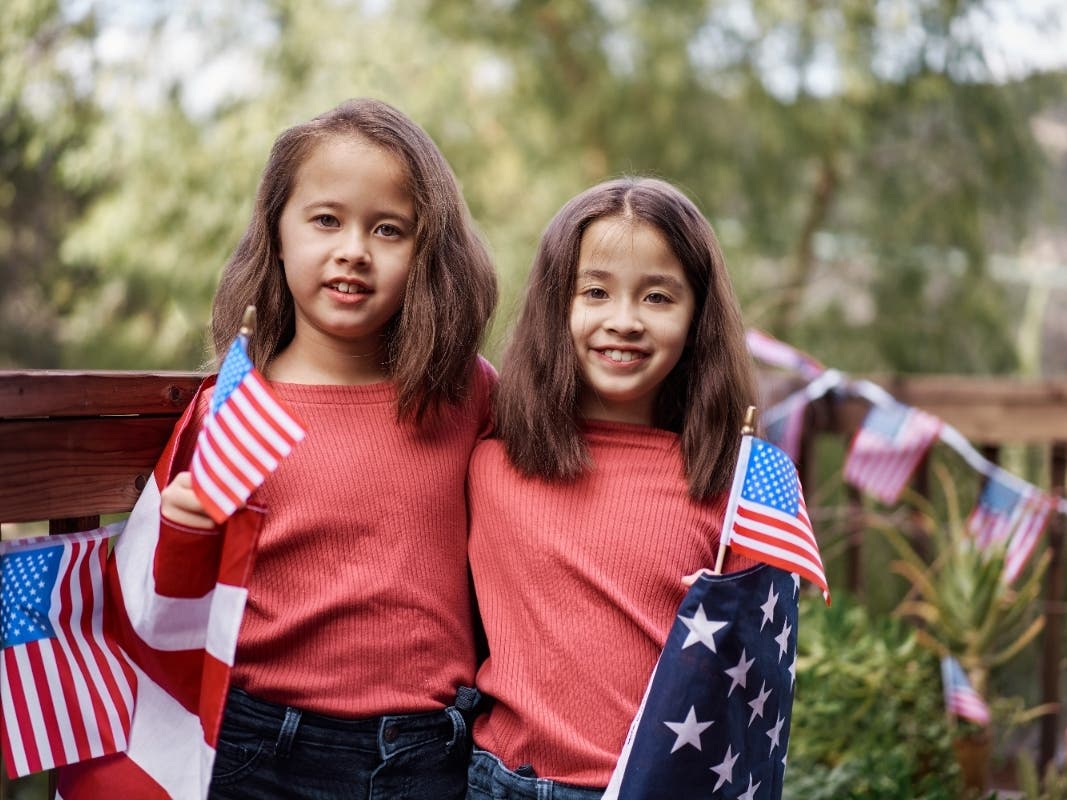
Beyond Assimilation: Dr. Su Yeong Kim’s Insights on Acculturation and Identity
Acculturation is often confused with completely blending into a new culture. In reality, it’s a much more complex and ongoing journey where individuals and families find their way between the norms, values, and languages of two or more cultures. Instead of simply swapping one culture for another, acculturation can foster biculturalism, a rich dual cultural identity that demands continuous navigation, adaptability, and resilience.
Cultural Navigation in Immigrant Families: The Day-to-Day Realities
Immigrant families often showcase the process of acculturation in the most striking ways. Kids, especially, tend to adapt more quickly thanks to school, friendships, and exposure to media. They often step into the role of cultural brokers, assisting their parents in navigating systems that might be unfamiliar to them. Whether it’s translating during a doctor’s visit or helping with school paperwork, over 90% of children from immigrant backgrounds find themselves in this position in one way or another.
But this role goes beyond just language, it also involves cultural translation. Kids learn to adjust their behavior, tone, and expectations based on who they’re interacting with. This practice, known as code-switching, highlights their adaptability but also underscores the challenges they face. At home, they uphold traditional values, while in public, they align with mainstream norms. Living this dual life can put a strain on their sense of identity and create emotional distance within their families.
Find out what's happening in Austinfor free with the latest updates from Patch.
Language Brokering: A Tool, a Bridge, and a Burden
Language is truly at the core of the acculturation journey. For cultural brokers, being bilingual is an essential skill that allows them to bridge different worlds. However, this important role can often put children in stressful situations, especially when they find themselves translating in high-stakes environments like hospitals or legal meetings. Research indicates that language brokering can spike stress hormone levels, particularly if the child feels unsure about their translation skills.
Find out what's happening in Austinfor free with the latest updates from Patch.
This pressure can sometimes lead to adultification, where kids take on responsibilities that are typically too heavy for their age. They might find themselves managing appointments or discussing sensitive issues, carrying emotional loads that are usually meant for adults. This can create confusion about family dynamics and expectations, especially when there’s a lack of recognition or support.
On the flip side, language brokering does come with its perks. It can boost cognitive abilities, enhance critical thinking, and develop emotional intelligence. Young brokers often become more skilled at problem-solving and negotiation. For instance, when a child helps a parent haggle over a car price, they not only refine their language skills but also pick up important financial and social lessons. With the right guidance and support, these experiences can significantly contribute to their academic and professional growth.
Understanding Cultural Stressors and the Role of Community Support
Even though there are many potential benefits, immigrant youth often deal with external cultural stressors. These can include economic hardships, discrimination, and what researchers refer to as “foreigner stress”, the feeling of being an outsider. Such stressors can take a toll on young people's mental health and heighten feelings of cultural disconnection.
To counteract these challenges, having protective factors in place is essential. Strong family connections, a sense of cultural pride, and supportive community networks can empower immigrant youth to flourish even in tough times. When children grow up with a solid sense of identity and pride in their heritage, they’re better prepared to tackle cross-cultural hurdles. These anchors remind them that their identities are not broken; rather, they are complex, multifaceted, and completely valid.
Intergenerational cohesion plays a vital role here. It’s not uncommon for immigrant children to adapt to their new culture faster than their parents, which can create gaps in language and values. However, when families foster open communication and mutual respect, these differences can be bridged. Sharing traditions, stories, and cultural practices helps maintain family unity and provides emotional support during the adaptation process.
Toward Inclusive Adaptation Models: What Dr. Su Yeong Kim’s Work Suggests
Success in adapting to a new culture shouldn’t just be about grades, job titles, or how much money you make. These measures miss out on the important emotional and social sides of fitting in. We need broader models that also look at well-being, bilingual skills, cultural identity, and the harmony between generations.
Schools, healthcare systems, and policymakers need to take these factors into account to build environments where immigrant families can truly thrive. Having cultural awareness in institutions, providing mental health support, and creating inclusive education systems are all essential for helping bicultural communities succeed.
Honoring Bicultural Resilience in the Immigrant Experience
Acculturation isn’t just a simple path; it’s a deeply personal journey that’s full of ups and downs. Immigrant families, particularly their kids, demonstrate remarkable strength as they navigate the space between different cultures. Although this journey can be complicated, it also offers a wealth of opportunities for growth, adaptability, and resilience. By recognizing and supporting these experiences, we can work towards creating inclusive communities that celebrate the beauty of living in a multicultural world.