Neighbor News
Could New Regulations on Uber and Lyft Be a Net Negative?
If ridesharing services leave Austin, drunk driving could spike back up to normal levels.

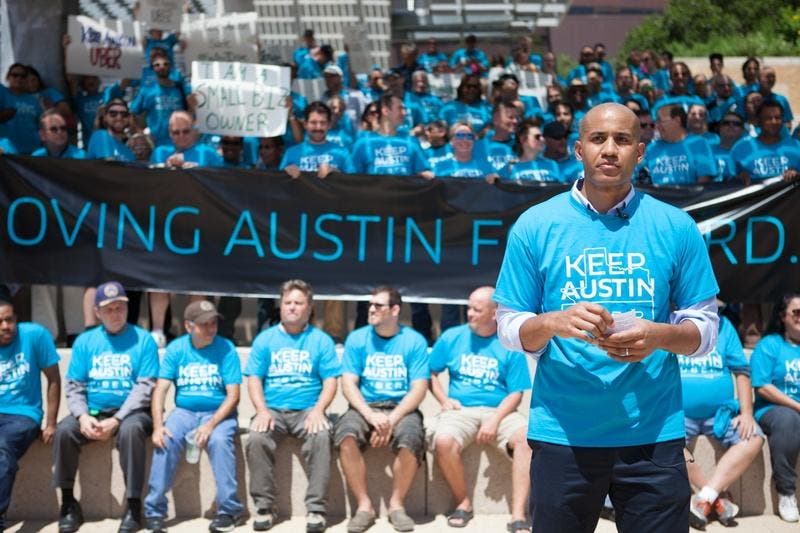
Last Friday, after nearly five hours of debate, the Austin City Council voted 9-2 in favor of an ordinance that placed stricter regulations, such as fingerprint–based background checks, on ridesharing services like Uber and Lyft.
These regulations came in the wake of numerous claims of Uber and Lyft drivers who have been accused of sexually assaulting or harassing passengers between the months of April and August of this year. While each incident appears to have occurred late at night when the driver was alone with a likely intoxicated passenger, no arrests have been made and the cases are still under investigation.
As opposed to Austin, Lyft and Uber drivers in most cities only need a proper vehicle and smartphone to start driving. Therefore, in response to these new regulations, the two companies are threatening to pull operations out of the city in an effort to discourage others from passing similar restrictions. Both companies express that mandatory regulations like fingerprinting could create barriers to acquiring new drivers and therefore diminishing the availability of the service, especially if a potential driver was fingerprinted during an arrest but was never actually charged or convicted of wrongdoing.
Find out what's happening in Austinfor free with the latest updates from Patch.
While the regulations are geared towards creating a safer transportation environment, the potential of Uber and Lyft leaving the city comes with its own set of negative consequences. Both Austin Police Chief Art Acevedo and Travis County Sheriff Greg Hamilton are concerned that the companies leaving the city will contribute to an increase in drunk driving rates.
Especially in Texas which led the nation in 2013 with 1,337 deaths caused by drunk drivers, the lack of ridesharing options could have a lasting impact on the future. Moreover, ridesharing services have already appeared to have a positive impact on drunk driving in the city. In 2013, before the onset of ridesharing services in the city, Austin saw 6,419 DWI arrests and in 2014, there were 6,235 arrests. As of December 2015, there have only been 5,686. While it’s tough to attribute this decline solely to ridesharing services, it’s hard to ignore the correlation.
Find out what's happening in Austinfor free with the latest updates from Patch.
A recent online survey done by MADD seems to reiterate this same theme. According to the survey, the number of people who have used a designated driver in the past 12 months has increased to 71% of respondents as opposed to 63% of those surveyed in 2013. The survey also found that 23 percent of respondents already associate the term “designated driver” with ridesharing services.
Although imposing further regulations on Uber and Lyft were done with good intentions, its seem that their absence from the city could have a net negative impact on the surrounding community by leading to even more drunk driving accidents. If you or a loved one does get injured in a drunk driving accident in Austin, there are legal options available to you, so be sure to contact a local Austin injury attorney who knows the law and can get you fair compensation.
Nevertheless, it will be interesting to see if Uber and Lyft make true on their promise and leave the Austin market, and if so, the consequences it will bring.