Community Corner
FDA: Avoid Recalled Dog Food Potentially Causing Deadly Hyperthyroidism
Blue Buffalo Co. and WellPet canned dog food was found to have an illness-inducing hormone found in livestock gullets as an ingredient.


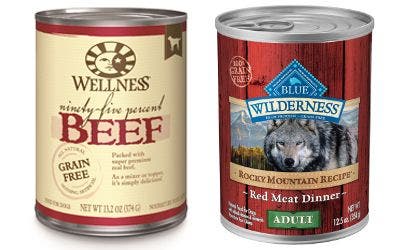
Federal officials have issued an alert to consumers and veterinarians to watch for signs of potentially lethal hyperthyroidism in dogs that have eaten Blue Buffalo Co. and WellPet canned food.
The warnings came in three separate alerts by the Food and Drug Administration on Monday. The basis of the alerts were test results from three dogs and samples of “BLUE Wilderness Rocky Mountain Recipe Red Meat Dinner Wet Food for Adult Dogs” and/or “Wellness 95% Beef Topper for Dogs.”
According to Food Safety News, investigators zeroed in on the source of active thyroid hormone in the food as having originated from animal gullets — laryngeal tissue — in which the thyroid glands were not completely removed. However, the newsletter noted, suppliers or ingredient sources were not disclosed in the FDA alert. The U.S. Department of Agriculture prohibits the use of thyroid glands and laryngeal muscle tissue for human food.
Find out what's happening in Austinfor free with the latest updates from Patch.
While some flavors and lots of the two dog food brands are under recall, there is lingering concern that pet owners, veterinarians and other businesses may still have the dog foods in homes and elsewhere in storage. The affected products could result in hyperthyroidism in dogs, a condition with unpleasant symptoms that, at its worst, could lead to death in damaging the heart.
“The FDA is issuing this alert now after a recent Center for Veterinary Medicine investigation into reports of three dogs in different households that showed signs of hyperthyroidism," the FDA alert reads. "In these cases, extensive testing on all three dogs conducted at a reference laboratory showed elevated thyroid hormone in the blood, but ruled out thyroid cancer. After the dogs stopped eating these products for a few weeks, their clinical signs disappeared and thyroid hormone levels returned to normal.”
Find out what's happening in Austinfor free with the latest updates from Patch.
Dog owners who suspect their pets have eaten either of these foods and are showing hyperthyroidism symptoms should discontinue feeding of these foods and consult their vets. It's important to have handy the dog's dietary history — what the dog's been eating, how much and for how long, FDA officials recommended.
Both companies previously recalled the affected products, as reported by Food Safety News:
- WellPet voluntarily recalled of certain lots of 13.2-ounce cans of Wellness 95% Beef Topper for Dogs with best-by dates of 02 FEB 19, 29 AUG 19, and 30 AUG 19 printed on the bottom of the can. The UPC Code is 076344894506.
- Blue Buffalo Company voluntarily recalled of one lot of 12.5-ounce cans of BLUE Wilderness Rocky Mountain Recipe TM Red Meat Dinner Wet Food for Adult Dogs with a best-by date of June 7, 2019, printed on the bottom of the can. The UPC code is 840243101153.
Symptoms of hyperthyroidism include: excessive thirst and urination, weight loss, increased appetite, restlessness, hyperactivity, elevated heart rate, rapid and/or labored breathing, vomiting and diarrhea. Continued exposure to excess thyroid hormones can cause damage to the heart, and in some cases, death.
According to the FDA alert for veterinarians, three dogs of different ages, breeds and sexes — a 4-year-old Shetland sheepdog, an 8-year-old Tibetan terrier and a 15-year-old Labrador retriever — displayed various clinical signs of hyperthyroidism, such as increased thirst, increased urination, restless behavior and weight loss, according to the FDA alert for veterinarians.
FDA officials noted that if a thyroid gland is not completely removed from a gullet that's added to pet food or treats, remnant thyroid tissue could emerge as a source of thyroid hormones. To make sure there are no traces of thyroid in pet food, manufacturers should avoid use of livestock gullets, according to the FDA’s industry alert.
Consumers and veterinarians can report pet food complaints to the FDA by clicking here.
>>> Read the full story at Food Safety News
Labels provided by the Food and Drug Administration
Get more local news delivered straight to your inbox. Sign up for free Patch newsletters and alerts.