Schools
Hurricane Harvey Victims Used Social Media More Than 911 To Seek Help: Researchers
"This is a real and life-threatening situation. They have not been rescued," one man tweeted, pleading for help for nursing home residents.


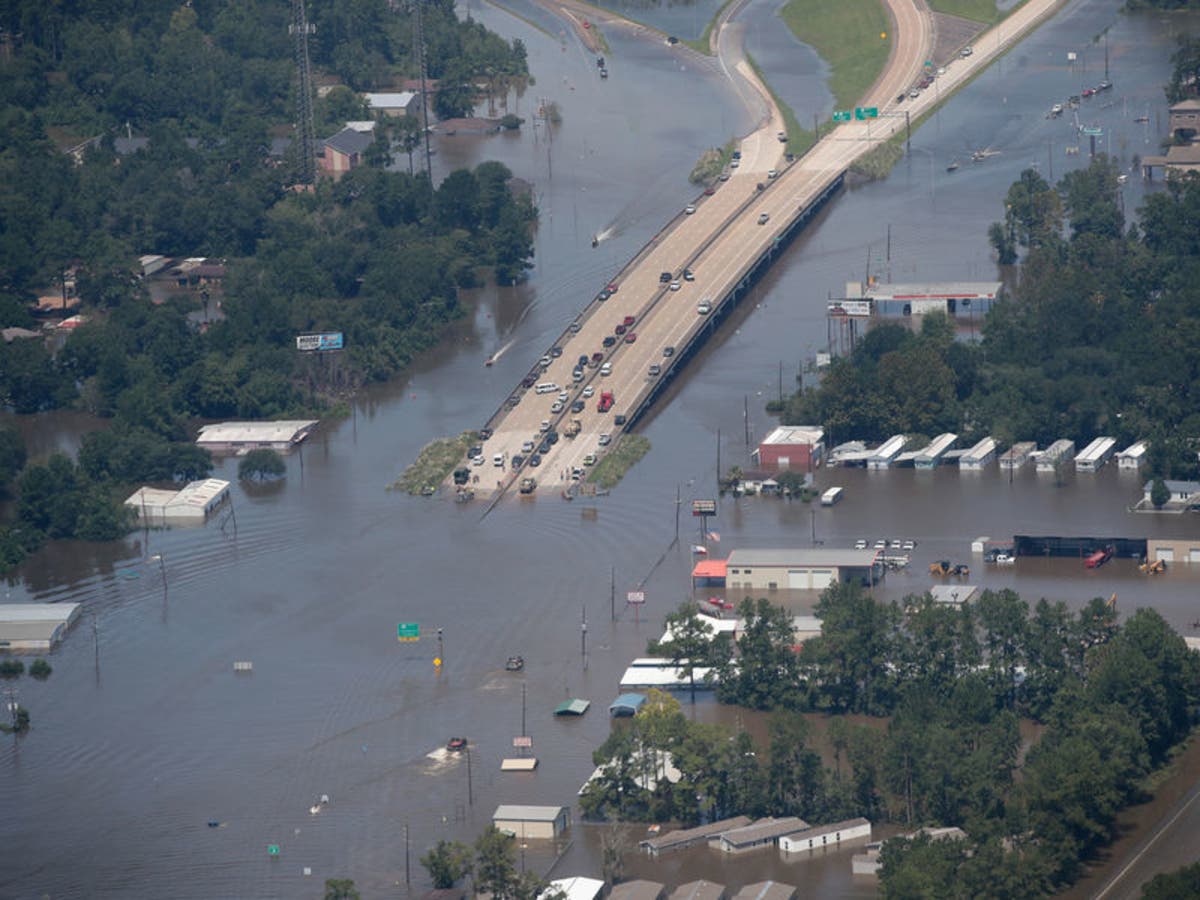
AUSTIN, TX — Hurricane Harvey was the first disaster where people in dire need of emergency rescue turned to social media for help more than overwhelmed 911 systems, according to researchers from The University of Texas at Austin, who received money to study the phenomenon.
Much has been made about how social media helped connect rescuers with Harvey victims. But the scope modern communication techniques played in those efforts remains largely anecdotal, evidence of its efficacy left largely in the ether of its pathways.
That could soon change.
Find out what's happening in North Austin-Pflugervillefor free with the latest updates from Patch.
To study social media's role in aiding Harvey victims, researchers from the unveristy's Moody College of Communication received a grant from the National Science Foundation (NSF) to look at how those in need of emergency help turned to social media and how first-responders utilized the tool alongside traditional 911 calls to dispatch help, school officials said Wednesday.
Titled “The Changing Nature of ‘Calls’ for Help with Hurricane Harvey: 911 and Social Media,” the project is led by researchers Keri Stephens, associate professor in the Department of Communication Studies, and Dhiraj Murthy, associate professor in the School of Journalism and director of the Computational Media Lab. The $168,000 project will begin Oct. 1, school officials said.
Find out what's happening in North Austin-Pflugervillefor free with the latest updates from Patch.
"Hurricane Harvey is the first disaster where social media calls for help appear to have supplanted the overloaded 911 call systems,” said Stephens, the grant’s principal investigator. “But this form of help-seeking behavior on public social media is relatively new. This project will capture the voices of hurricane victims and emergency response workers to help save lives in the future.”
The project will identify common themes in the behaviors, content types, and language that disaster victims use in their calls for help on social media, researchers explained. Ultimately, researchers will seek to identify the specific characteristics of calls that disaster victims use when requesting help, so that emergency personnel can rapidly pinpoint individuals in need of the most assistance, officials said.
To accomplish their goal, researchers plan to conduct field interviews and surveys with Harvey and Irma victims, emergency response organizations and volunteer groups to identify what was posted, where and how these requests generated responses. The aim, researchers noted, is to assess the utility of hurricane-related social posts to disaster victims in achieving a gauge of their efficiency, officials added.
Survey results will be combined with data across several platforms including YouTube, Twitter, Reddit and Facebook, researchers said.
"This project uses a unique method to study social media conversations by disaster victims,” said Murthy, the grant’s co-principal investigator. “The current method most-frequently used by scholars is to mine social media data around disaster-related keywords. However, this method pulls in everything — from solicitations for donations to news stories — and it is challenging to isolate actual calls for help.”
In Harvey's aftermath, it's clear the role social media played wasn't merely apocryphal or the result of urban myths that tend toward exaggeration in the retelling. Researchers cited a single, but powerful, example of the role it played in securing aid to an assisted living facility in Dickinson, Texas. As flood waters rose and began seeping into the building, residents found themselves with literally nowhere to turn. Making matters worse, overtaxed emergency dispatchers could only offer the suggestion to sit tight until rescuers arrived.
"Need help ASAP." The story behind the photo of nursing home residents trapped in hurricane flood water https://t.co/YG2XUHeHgw
— TIME (@TIME) August 28, 2017
Enter social media: A family member of the facility's owner posted a photo on Twitter showing residents waist high in murky, contaminated water as they waited to be rescued. The post went viral, likely precipitating the rescue mission that safely extracted the stranded residents.
As Patch reported at the time in the aftermath of Hurricane Harvey, Timothy McIntosh of Florida took to Twitter in pleading for help for the residents of the facility his mother owns. "This is a real and life-threatening situation," McIntosh wrote. "They have not been rescued yet. Anyone in the area, please reach out and help."
Later that day — after the post was tweeted and re-tweeted more than 4,000 times — came good news: "RESCUED!! McIntosh wrote. "Thank you to the National Guard & the Galveston Emergency crew for our rescue."
Related story: S.O.S. Photo Saves Hurricane Harvey-Trapped Nursing Home Elderly
Such dramatic anecdotes abound in the aftermath of a historic natural disaster that will forever be etched in people's minds. It may be the work of painstaking documentation extracted from social media posts at Moody School of Communication that may yield an definitive accounting of the power of social media in such times of great need.
Preliminary results of the grant will be available in October 2018, and shared in the form of summaries and, eventually, in research publications, officials said.
>>> Uppermost image: Road covered by floodwater left in the wake of Hurricane Harvey, Aug. 31, 2017, near Houston, Texas. (Photo by Scott Olson/Getty Images)
Get more local news delivered straight to your inbox. Sign up for free Patch newsletters and alerts.