Politics & Government
Red-Light Camera Program Coming To An End
Officials cite lack of traffic safety improvements in dismantling the program.


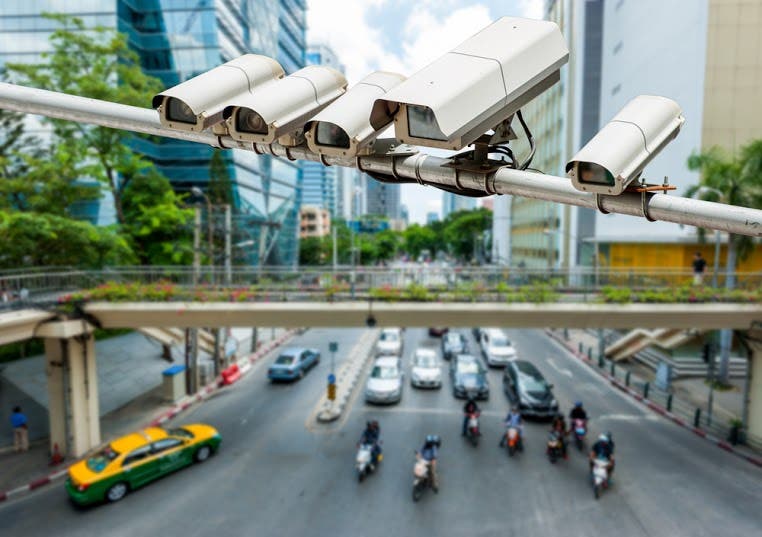
For some Round Rock motorists, this development could be viewed as something of a Christmas miracle.
City officials have decided to end their four-year-old red light camera program, with plans to take down surveillance cameras that track traffic violations on Dec. 31. All told, the city had installed 10 traffic cameras at various intersections.
Round Rock City Council members previously voted to end its contract with RedFlex, the provider of the red light camera program.
Find out what's happening in Round Rockfor free with the latest updates from Patch.
Officially, they cited the lack of measurable traffic improvements at the various sites where cameras had been installed. Moreover, city officials pointed to unclear procedures on collecting traffic citations originating from camera-captured images illustrating motorist infractions.
“The City Council opted out of the program because data showed safety was not improving at intersections with cameras,” officials wrote on the municipal website. “And there was no recourse if violators refused to pay the civil fine.”
Find out what's happening in Round Rockfor free with the latest updates from Patch.
Another reason for ending the initiative—albeit an unofficial one—could be residents’ complaints, as alluded to in the official statement referencing unpaid camera-generated citations.
Residents in Round Rock—already a city that’s seen a rise in traffic congestion given brisk growth in the shadows of Austin—have increasingly complained about red-light cameras in their neighborhoods.
One resident took his complaints to greater heights, making his annoyance with the surveillance tools as part of the political platform of an ultimately unsuccessful run for city council.
Chris Koob, a local engineer who’s lived in Round Rock for 13 years, has twice run for local office—calling attention to the annoying red-light cameras as part of his political platform. He made the same argument during his most recent 2014 run for a council seat, categorizing red-light cameras as revenue generators for the city rather than genuine safety-promoting tools.
“They make a significant amount of revenue from people making a right turn without making a complete stop,” Koob told the Austin American-Statesman last year as part of a candidates profile series. “I see the argument for red light cameras, but I don’t think there is statistical evidence that they make the roads any safer.”
Koob lost big in his last bid for local office during a special election in January for the Place 3 seat—handed a crushing defeat by challenger Frank Leffingwell, who won 82.1 percent of the vote. While chastened by the results, Koob said in a post-election telephone conversation he was happy to have at least called attention to the red-light camera issue.
The city first began installing red-light cameras in December of 2011, and officials said the revenue generated from fines paid for the system’s installation, operation and maintenance costs.
As they prepared to dismantle the program, city officials stepped up efforts to educate drivers of the dangers of running red lights through a series of public safety announcements.
Get more local news delivered straight to your inbox. Sign up for free Patch newsletters and alerts.