Politics & Government
Air Rage? Blame the Fat Cats in First Class
Air Rage linked to walking past first-class cabin, study finds.

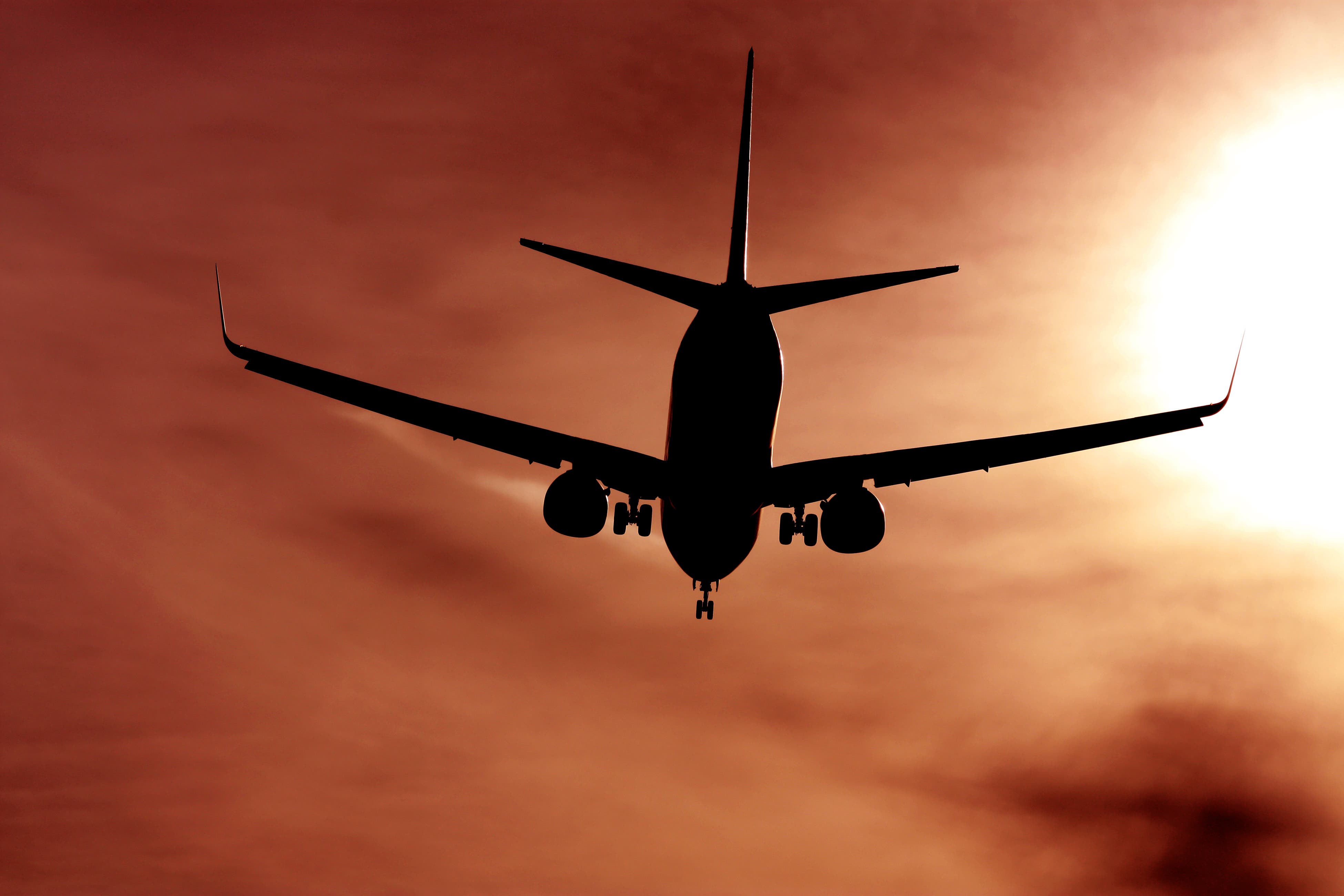
Airplanes with first-class cabins are more likely to have disruptive conduct, according to a new study.
You know the drill: The first-class passengers take their seats. Then the flock of economy passengers shuffles on board and passes through the first-class cabin where a lucky few are enjoying champagne and studying flight menus.
But the unwashed masses continue to the back of the cabin where they contort their bodies into cramped seats with little legroom.
Until one of them snaps.
It turns out flights with first-class cabins are four times more likely to experience air-rage, or incidents of unruly behavior directed toward crew members and their passengers, according to the recent study.
While flight delays, long security lines and rising baggage fees are often blamed for incidents of air rage, a new study suggests that a plane’s seating arrangement best predicts incidents of unruly behavior.
The authors of the study, Katherine DeCelles of the University of Toronto and Michael Norton of Harvard, state that the “modern airplane is a social microcosm of class-based society” that lends itself to both physical and situational inequality.
The study examined the two main causes of air rage. First off, the presence of first-class cabins leads to more frequent disruptions in the economy class. Secondly, boarding from the front of the airplane increases air rage in both economy and first class.
When economy passengers pass through first-class cabins to get to their seats, they’re made more aware of their class, and it leads to heightened unruly behavior, the study says. The same is true during boarding procedures. Economy passengers must wait for first-class passengers to take their seats before they can venture into their own, more cramped seating quarters, once again prompting rage from the economy class.
The boarding process doesn’t just affect the economy passengers; it affects those sitting in first class, too. But instead of feeling jealousy, those in first class are easily irritated because they recognize their power and status. Basically, it’s a lose-lose for the both the economy and first-class passengers to board first.
Find out what's happening in Across Americafor free with the latest updates from Patch.
Overall, cases of air rage were rare. For every 1,000 flights on planes with a first-class section, there were 1.58 incidents of air rage in economy and 0.31 in first class, adding up to a total of a few thousand cases of air rage during the several-year period studied. However, flight crews might not have reported every case of air rage, so the real number could be higher, DeCelles told CNN.
Even when DeCelles and Norton controlled variables such as seat width, pitch and flight distance, they found that air rage is more common in economy seats (84 percent) than first-class seats (15 percent). Intoxication, belligerence and noncompliance with the flight crew embody the majority of incidents. Lastly, men are more likely (72 percent) than women (23 percent) to disrupt the airplane.
Norton told the Harvard Gazette that the idea for the study stems from previous work he and DeCelles have done regarding income inequality in the United States.
“We have lots of surveys that say in a very general way (that) people are already upset about the current level of inequality in the United States. But the question is, how does that play out in everyday life?” he told the Harvard Gazette. “We certainly don’t sit around all day thinking about inequality and being upset about it, because we’re living our lives. And so the question is: What are the cases in life where we have moments where we’re exposed to inequality, and where we might really start to have negative reactions?”
Norton told the Harvard Gazette it’s too soon to determine what airlines should do regarding his recent findings. While instructing first-class passengers to board last might quell some tension, airlines might lose money in first-class ticket sales.
“You want people to see how great it is so that they might want to pay more and upgrade for the next flight, which would be more profitable,” he said. “But you might also ruin the experience of everyone who could’ve had an OK time, but now all they’re thinking about is the rich people having an even better time.”
Get more local news delivered straight to your inbox. Sign up for free Patch newsletters and alerts.