Seasonal & Holidays
Fat Tuesday And Lunar New Year Coincide In Rare Calendar Alignment
Feb. 17 is a shared holiday for two major celebrations that arise from different cultural and religious traditions.


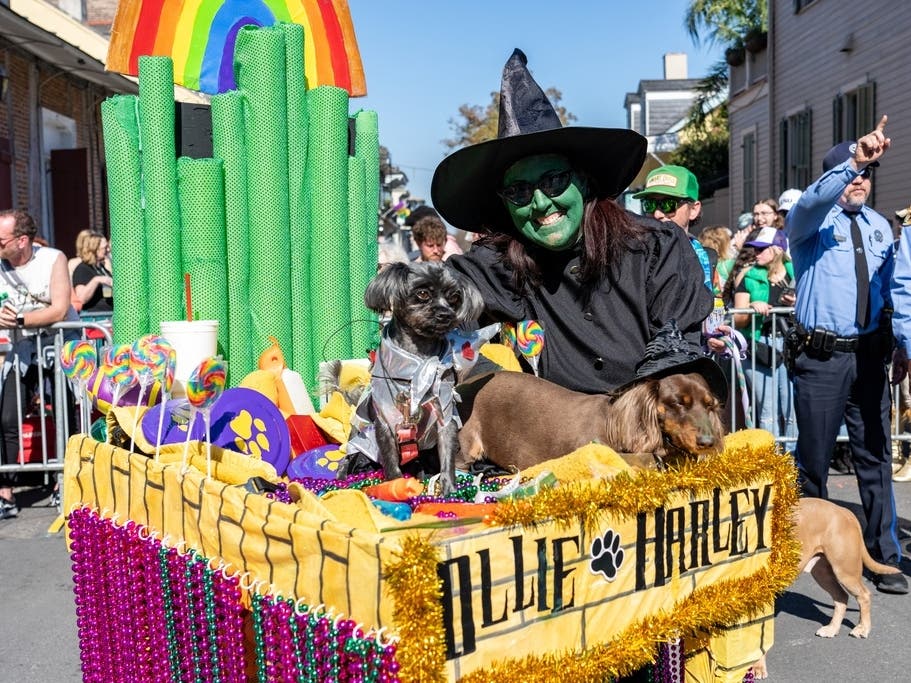
An unusual alignment is occurring on Tuesday.
Two major culturally distinct celebrations — Fat Tuesday and the Lunar New Year — are happening on the same day, putting traditional Chinese, Korean and Vietnamese festivities alongside boisterous Mardi Gras celebrations.
The two holidays retain their separate cultural identities. Their alignment is rare because it hasn’t happened since Feb. 17, 1953. It’ll happen again in three years on Feb. 13, 2029.
Find out what's happening in Across Americafor free with the latest updates from Patch.
Below are some things to know.
Lunar Cycles Decide Dates
Fat Tuesday and the Lunar New Year are similar in that the dates for both are dictated by moon cycles; however, they follow different calendars.
Find out what's happening in Across Americafor free with the latest updates from Patch.
Fat Tuesday, the final day of the Mardi Gras celebration before the start of the Christian season of Lent, is linked to the Gregorian calendar. Lunar New Year follows the Chinese lunisolar calendar.
The Gregorian calendar is a 365-day solar system based on Earth’s orbit. The Chinese calendar combines lunar months with solar years, with 354-day years with occasional 13th-month adjustments.
Lunar New Year’s always falls between Jan. 21 and Feb. 20. Fat Tuesday is always 47 days before Easter. It falls somewhere between Feb. 3 at the earliest and March 9 at the latest, but always at the beginning of the second new moon after the winter solstice.
What Happens On Fat Tuesday?
Sometimes called Shrove Tuesday, it is the final day for indulgence and even debauchery before the 40-day period of fasting and penance known as Lent. Lent begins on Ash Wednesday and concludes on Holy Thursday, which commemorates the Lord’s Last Supper.
Fat Tuesday, the English translation of Mardi Gras from French, marks the end of the carnival season, a centuries-old tradition celebrated by the French with elaborate masquerade balls and street parties from the feast of the Epiphany in early January until Ash Wednesday. Fat Tuesday is also marked by the consumption of rich foods that would be forsaken during Lent, including meats, cheeses and sweet treats like King’s Cakes, pancakes and, in some regions of the country, paczki, deep-fried Polish pastries similar to doughnuts.
French explorers Pierre Le Moyne d’Iberville and Sieur de Bienville brought the Mardi Gras tradition to America when they landed near present-day New Orleans on March 3, 1699. Realizing it was the eve of the festive holiday, they held a small celebration at the landing spot, which they christened as Point du Mardi Gras, according to History.com. A celebration in the tiny settlement of Fort Louis de la Mobile in 1703 and in New Orleans in 1718, according to a history on the Mardi Gras New Orleans website.
The Spanish, who controlled the Big Easy from 1762 to 1800, put an end to the boisterous New Orleans Mardi Gras festivities, and after the United States took over the city in 1803, both public disguises and masked balls were banned. The bans were lifted when Louisiana became a state in 1812. Louisiana is the only state to make Mardi Gras a legal holiday.
How Is Lunar New Year Celebrated?
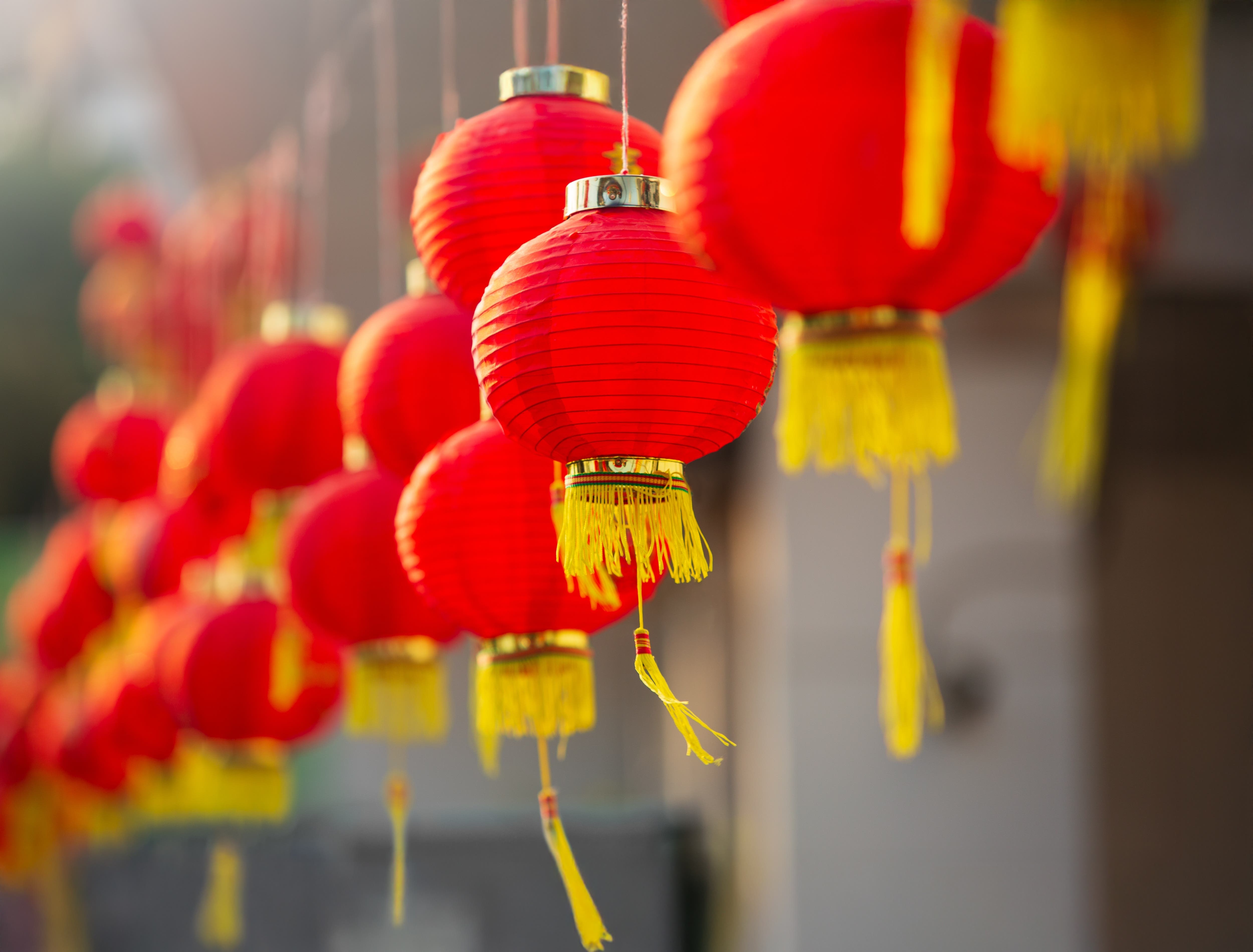
Lunar New Year, which may be called the Spring Festival, is a major 15-day celebration focused on family reunions, honoring ancestors, and ushering in good fortune. Houses are festooned with colorful lanterns, often inscribed with riddles, and whoever solves the riddle earns a small gift, according to Britannica.
Other traditions include cleaning homes to sweep away bad luck, wearing red, exchanging red envelopes of money called “lai see,” fireworks displays and feasts.
It concludes with the Lantern Festival. It symbolizes family unity, hope, and the dispelling of darkness through lights, lanterns, rituals and eating such foods as rice balls filled with fruits and nuts, called “yuanxiao” or “tangyuan.”
The Lantern Festival, believed to date back to the Han dynasty (206 BCE–220 CE), originated with Buddhist monks lighting lanterns on the 15th day of the lunar year to honor the Buddha, a custom that spread throughout Asia.
One legend says the Jade Emperor planned to destroy a town for killing his goose. A fairy advised the town to light lanterns, fooling the Emperor into believing the town was already burned, thus sparing it. Celebrants commemorate this by carrying colorful lanterns.
2026 is the “Year of the Fire Horse” on the Chinese zodiac, a 12-year cycle of animals and the five elements: wood, fire, earth, metal and water. The fire horse represents hard work, bravery and resilience, according to Smithsonian magazine.
After the end of the 15-day festival, this year on March 3, life returns to normal.
What Is The Lenten Season?
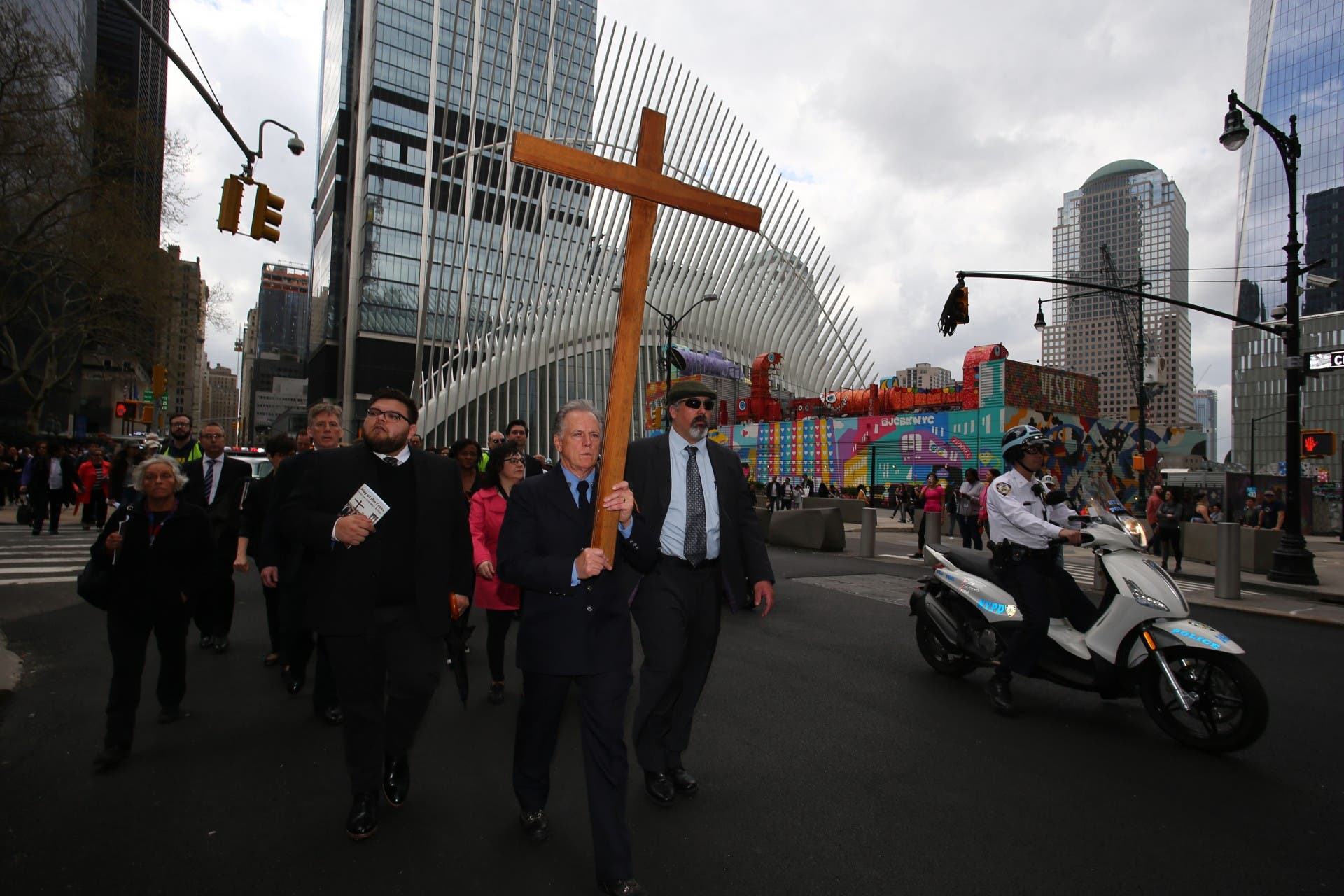
Among Christians, the Lenten season continues through Easter, which is on April 5 this year, according to the Gregorian calendar. Some Eastern Orthodox churches continue to use the Julian calendar, which puts Easter on April 12.
The Lenten season starts with Ash Wednesday. In Roman Catholic and some other traditions, ashes are applied in the shape of a cross on the foreheads of the faithful. In many cases, they wear the crosses throughout the day to publicly profess their faith.

The ashes, symbolizing penance, mourning, and mortality, are typically applied by a priest with the words, “Remember you are dust, and unto dust you shall return.” They are prepared from burning palm leaves from the previous year’s Palm Sunday celebration, the Sunday before Easter.
Other Christians observing Ash Wednesday include Lutherans, Methodists, Episcopalians, Presbyterians and other Protestants. Some Baptists observe Ash Wednesday, but a majority of evangelical and Pentecostal Christians do not. Mormons also do not observe Ash Wednesday.
The 40-day season of Lent leads up to Holy Week, which begins on Palm Sunday, this year on March 29. Palm Sunday commemorates Jesus’ entry into Jerusalem on a path paved with palm branches. Congregants in many churches are given palms to carry with them to Palm Sunday worship services.
Here are other important dates to know:
April 2: Holy Thursday, also known as Maundy Thursday, commemorates the Last Supper, the final meal Jesus shared with his disciples, and the initiation of Holy Communion (the Eucharist), observed in many Christian churches.
April 3: Good Friday observes Christ’s crucifixion. In some churches, purple or black cloths are placed over religious objects. Some Christians fast, eating only one substantial meal.
April 5: Easter commemorates Christ’s resurrection, and white cloths replace the darker cloths shrouding religious objects. Celebrations are joyous, a contrast to the somber observance of Lent
Get more local news delivered straight to your inbox. Sign up for free Patch newsletters and alerts.