Health & Fitness
GREENER PASTURES: Be True to Yourself
"To thy known self be true." So said Shakespeare. Yet what does it mean to know or understand yourself?

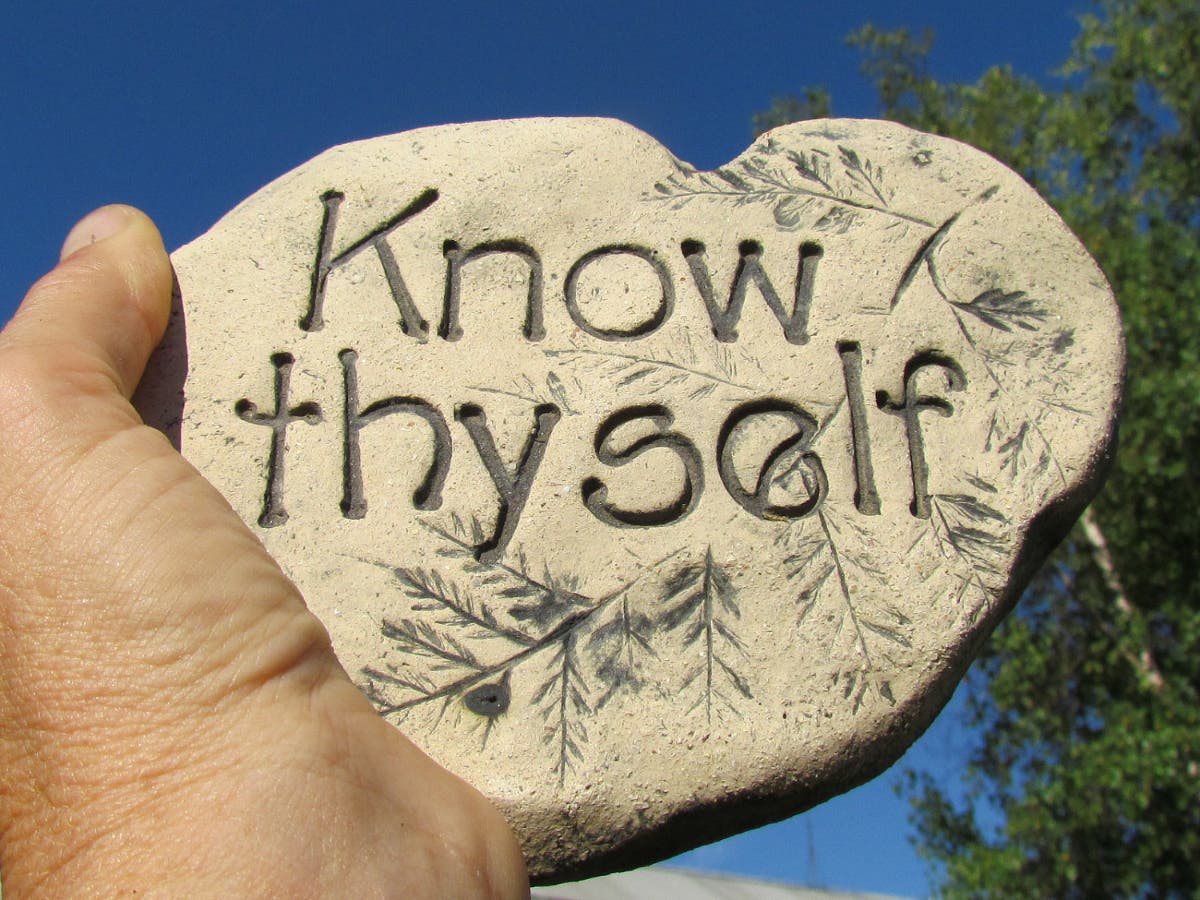
“To thy known self be true.” So said Shakespeare. Yet what does it mean to know or understand yourself? First of all, it means that you are predictable to yourself, that you have a familiarity with what you will think and do and feel in most situations. It takes time and work to learn about your inner workings sufficiently to gain a sufficient grasp of who you are, and of your typical ways of approaching and reacting to your daily life. Having gone through counseling and guided others along the way, it can be of enormous value to self-understanding.
Second, it means to be comfortable with yourself. That includes enjoying time alone, time to think, reflect, recollect, pray, read, walk, whatever. It is during alone times that you can hear and sense yourself best. In the busy workaday world, is it difficult to remain aware of your reactions to events going on around you; it is easier to lose yourself in the events themselves.
Third, knowing yourself includes acceptance. Understanding is quiet acceptance. Truly accepting yourself includes accepting both the unknown as well as the known, embracing in advance that which is yet to emerge in you, as well as that which is no longer the case. To accept means to care for, confirm, and permit yourself to be who you are. As I once wrote:
Find out what's happening in Across Americafor free with the latest updates from Patch.
“Accepting yourself is the most difficult act of faith. Yet until you have, you will not find yourself. For self comes out from its cloister only in the light of affirmation.
“And you will never comprehend yourself. You may but choose whether or not to become whom you already are.
Find out what's happening in Across Americafor free with the latest updates from Patch.
“You will know when you are truly you, for a question you don’t remember asking will be answered, and the sense of self will fill you.”
There are two essential ways to grasp the meaning of your “self.” There is self as process and self as object. You cannot see the process you are, intricate, hidden, constantly changing from birth to death. Interestingly, you are not the same person you were six months ago. Such it has always been, and such it will always be; you are constantly evolving in body and soul. I also wrote that, “You never really know who you are, but only where you have been and how you felt there.”
The second sense of “self” is self as object. This is what we normally think of regarding ourselves and others: we imagine ourselves and others as having a stable “self.” Your self-image is how you have come to identify yourself as an object, like other specific objects or persons in the world. What are the distinguishing characteristics which you have evidenced across the span of your life? What have significant others from your parents onward told you about yourself by their words and actions?
It is this imaged stable self that we tend to think we understand. And while there is much truth to the historical self we have observed over the years growing up and growing old, there also remains that enigmatic self as process.
Which leads to the fourth aspect of understanding yourself: a solid commitment to remain open to yourself throughout your days. You have to be your best friend. Let your compassion begin with you. As you judge yourself, so you shall judge others. The same goes for understanding. As Shakespeare continued: “And it must follow as the night, the day, thou canst not then be false to any man.”


![If You Think Someone’s In Danger, Here’s How To Intervene [The Question]](https://patch.com/img/cdn20/shutterstock/790386/20260423/080030/styles/patch_image/public/shutterstock-2014114811___23195740130.jpg)