Business & Tech
Inflation Cools, Not That The Cost Of Groceries Reflects Improving Conditions
If consumers closely follow the new food pyramid that prioritizes meat and other proteins, they're feeling the effects of food inflation.


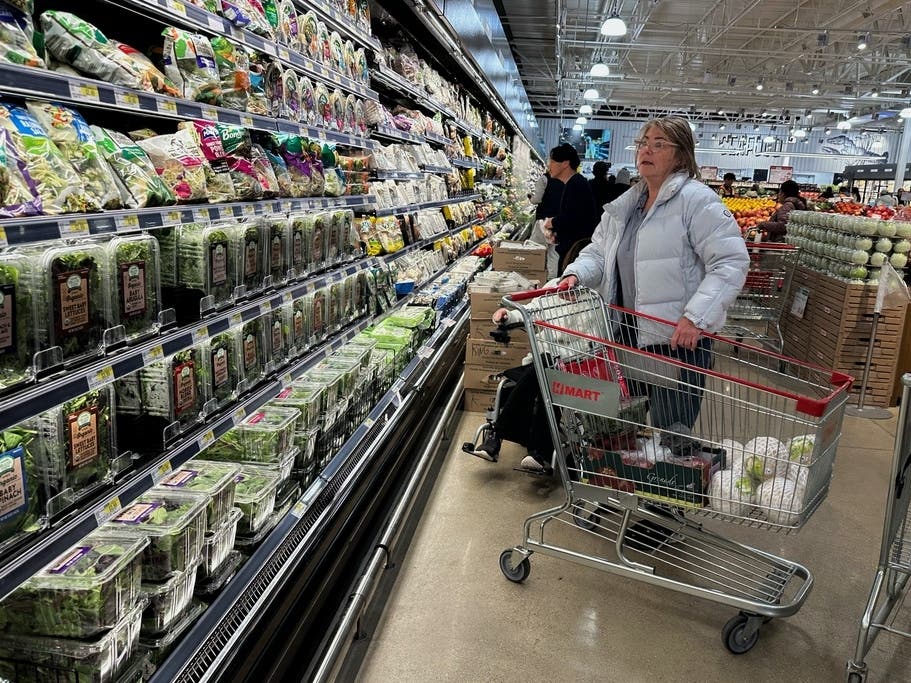
Inflation dipped to a nearly five-year low, but consumer prices are still about 25 percent higher than they were five years ago at the height of the pandemic, according to a new government inflation report.
Despite overall improvement, prices remain stubbornly high at the grocery store, where the main dish could cost an average family at least 15 percent more than it did at this time last year.
Grocery prices increased 0.2 percent in January, after a big 0.6 percent rise in December, and are up 2.1 percent from a year ago, according to the latest Consumer Price Index, a key measure of inflation, released Friday by the Labor Department.
Find out what's happening in Across Americafor free with the latest updates from Patch.
Annual inflation slowed to 2.4 percent in January, down from 2.7 percent in December. Gas prices offered a significant consumer saving, dropping 3.2 percent last month — the third decline in four months — and are 7.5 percent lower than a year ago.
The Price Of Proteins
Most Americans don’t follow the food pyramid in their daily meal planning. It’s mainly used as a guide to dietary choices for federal nutrition programs. But those who are paying close attention to the new guidelines are facing steeply higher prices for many proteins recommended as daily staples in a healthy diet.
Find out what's happening in Across Americafor free with the latest updates from Patch.
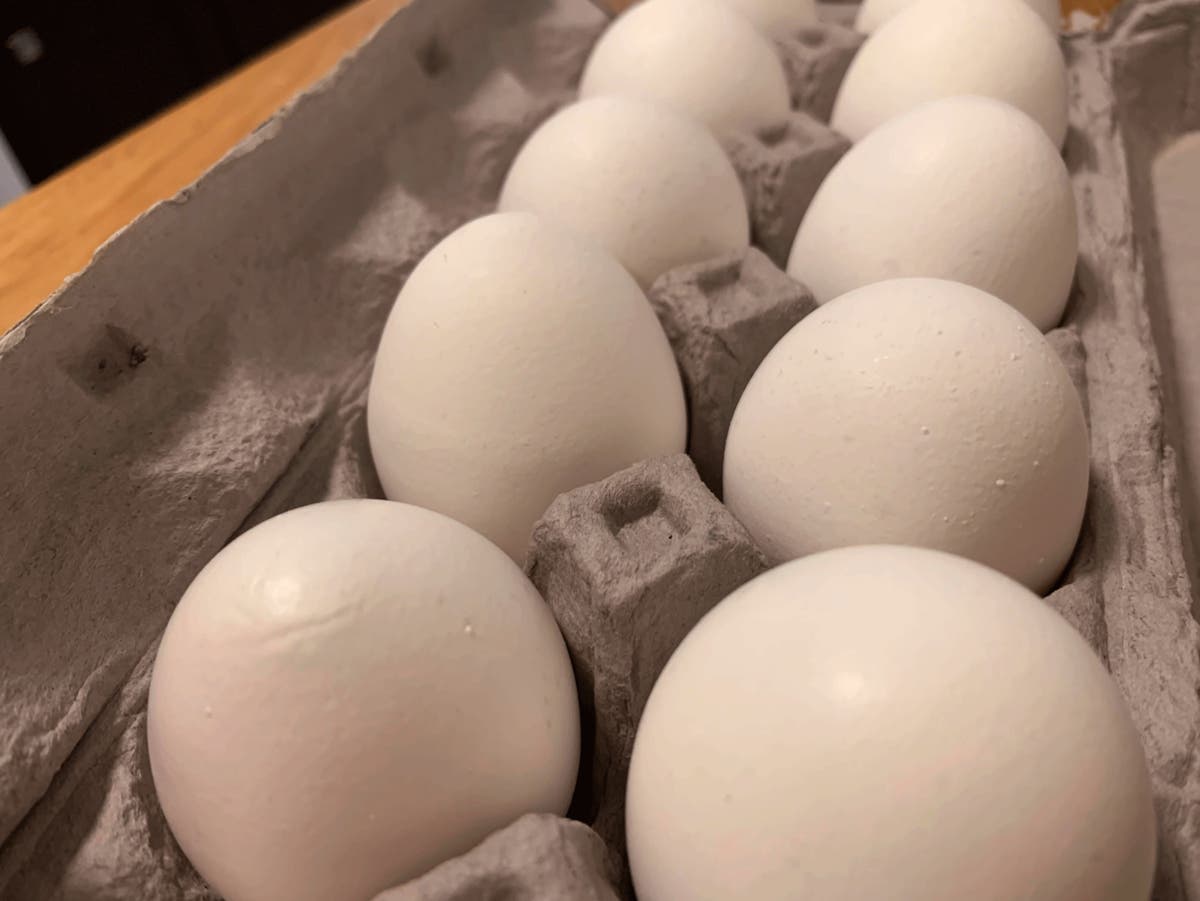
Eggs are a bright spot in the inflation report. They’re down nearly 35 percent since January 2025. That’s due more to fewer bird flu outbreaks than other issues that influence inflation, such as rising production costs, weather, supply-chain bottlenecks and greater profit-taking by manufacturers.
National average prices for a dozen Grade A eggs ranged from around $2.58 to $4.03 a dozen in early 2026 but have dropped to around $1.05 as supplies recovered, according to Agriculture Department data.
The big hit when it comes to putting protein in a diet comes at the beef counter. The reasons beef is so expensive are complicated, and with the U.S. cattle inventory at historic lows, prices aren’t expected to recover soon. At current prices, beef is off the table in some U.S. households.
Ground beef is 17.2 percent higher than it was a year ago, and roasts and steaks are up 15 percent and 12.9 percent, respectively. USDA top-grade and lower-fat cuts can cost more.
Chicken parts were up 2.1 percent, and turkey and other poultry cost 3.8 percent more than a year ago. The price of a fresh whole chicken was down 1.3 percent.
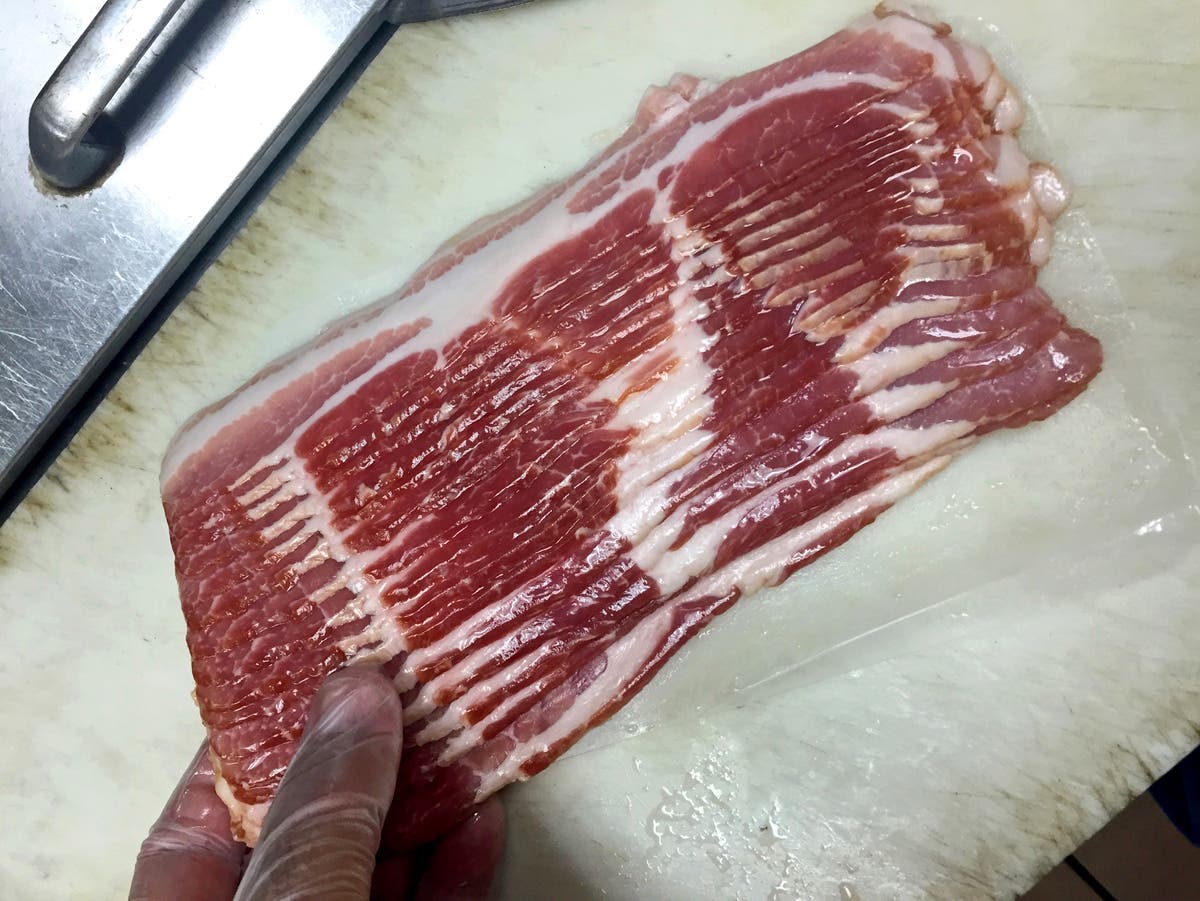
Pork is a better bargain for consumers looking to keep their grocery bills in check while still adding protein. The price of pork chops is down 1 percent from a year ago. During the same time, breakfast sausage was down 0.6 percent, while bacon increased 1.5 percent and ham went up 1.6 percent. Roasts, steaks, and ribs were about 2.4 percent higher than at this time last year but are still affordable options.
Here’s How Much You’ll Pay
In real dollars paid at the checkout, a main beef dish for an average family could add about 20 bucks to the bill.
Discount grocer Aldi was selling two-pound packages of 80 percent lean ground beef for about $11 on Friday. That will feed burgers or meatloaf to between six and eight people. Bargain-conscious shoppers can stretch the ground beef in mixed dishes such as tacos, pasta, and casseroles to feed up to 12 people.
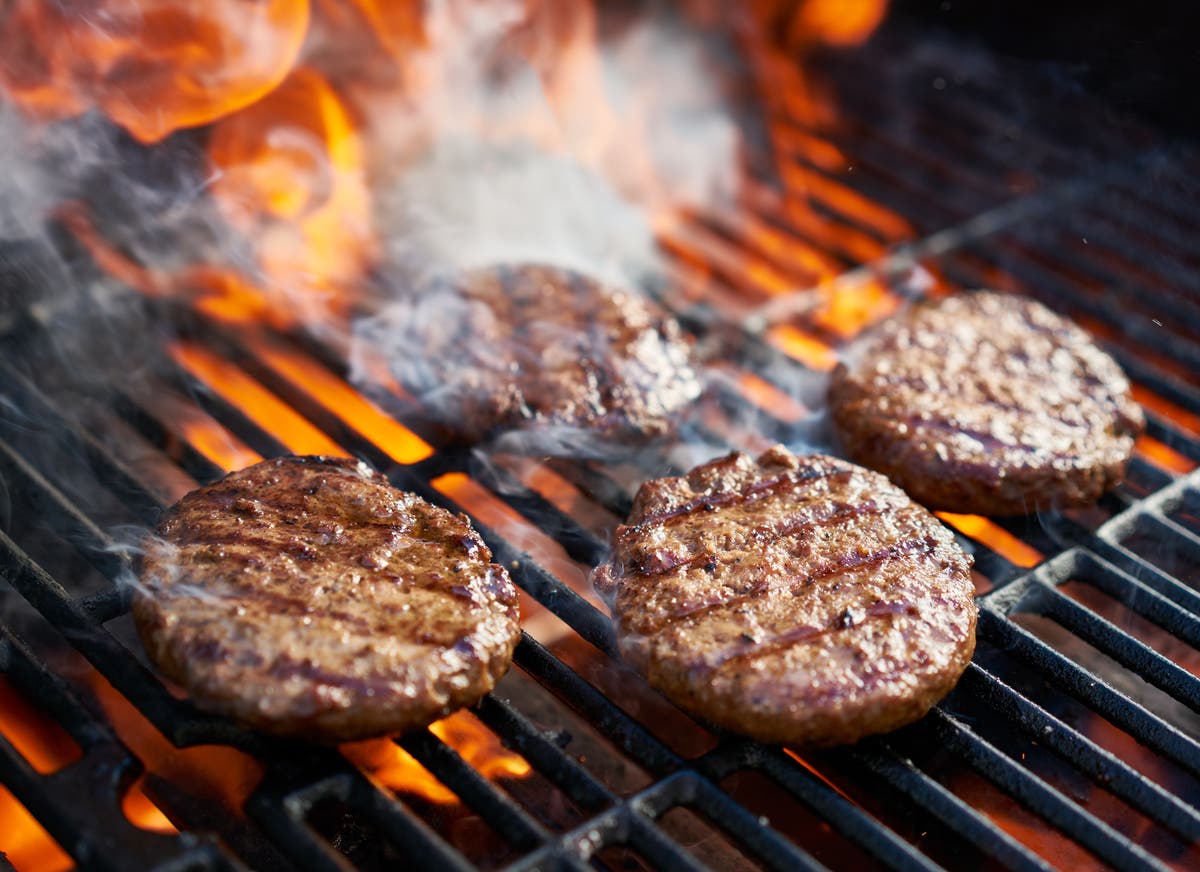
Also at Aldi, a 2.4-pound boneless beef chuck roast, enough to comfortably feed three or four adults, was selling for $19.18. A 1.16-pound page of rib-eye steak was $17.16.
At Walmart on Friday, a whole young chicken was selling for $1.46 a pound. A 5-pound bird, enough to feed four to six people, would cost about $7.30. Skinless, boneless thighs and breasts cost $3.72 and $4.12 a pound, respectively. A 1-pound breast provides three to four servings, while a pound of boneless thighs serves two or three people.
A 1.25-pound package of center-cut pork chops was selling for $4.83 Friday at Aldi. That’s enough to feed between two and four people. A 2.1-pound uncured honey boneless sliced ham quarter costs $9.43 and would feed four to six people. A 3.8-pound pork loin roast, enough for up to 8 people, cost $7.94.
The cost of fresh fish and seafood increased 5.8 percent. Frozen and fresh seafood went up even more, by 8.5 percent.
Tariff Lifted, But Coffee Still High
.jpeg)
Other market basket staples have also gone up in price over the last year. Coffee prices increased the most and are up 18.3 percent from a year ago, due primarily to President Donald Trump’s 50 percent tariffs on Brazilian coffee.
Trump rescinded the tariffs on coffee and certain other agricultural products in November, but the adjustment wasn’t reflected in the January CPI.
The price of bananas, which largely come from Central and South America, also remained high with a 5.4 percent bump in cost over last January.
Trump’s tariffs have pushed up the cost of some goods, such as furniture, tools, and auto parts, but those impacts may fade later this year. Last month’s inflation of 2.4 percent was the lowest since last May, just before many tariffs kicked in.
A study released Thursday by the Federal Reserve Bank of New York found that U.S. companies and consumers are paying nearly 90 percent of the tariffs’ costs, echoing similar findings in studies by Harvard and other economists.
Many firms may pass along more of those costs to their customers in the coming months, economists warn, which may keep inflation elevated.
Fed’s 2% Target In Sight
Rental prices and the cost of owning a home, which make up a third of the inflation index, seem to be easing. Both rose just 0.2% in December, while rents increased only 2.8 percent from a year earlier. That is much lower than during the pandemic. Rents rose by more than 8 percent in 2022.
Still, the rental figures were distorted by October's six-week government shutdown, which interrupted the Labor Department's gathering of the data. The government plugged in estimated figures for October, which economists say have artificially lowered some of the housing costs.
At the same time, measures of wage growth have declined in the past year or so as hiring has cratered. With companies reluctant to add jobs, workers don't have as much leverage to demand raises. Smaller pay increases can reduce inflationary pressures as companies often raise prices to offset higher wages.
More modest wage growth is a big reason that many economists expect inflation to continue easing this year.
“We're not expecting inflation to start up again by any stretch," Luke Tilley, chief economist for Wilmington Trust, told The Associated Press.
Many businesses are still eating some tariff costs, and economists expect they may raise prices more in the next few months to offset those extra expenses. Still, most forecast that inflation will decline further by the second half of the year and drop closer to the Fed’s 2 percent target by the end of 2026.
The Associated Press contributed to this report.
Also On Patch
Get more local news delivered straight to your inbox. Sign up for free Patch newsletters and alerts.