Business & Tech
MeToo Isn’t Changing Workplace Cultures: Survey
Less than a third of U.S. workers surveyed said their employers are doing more to prevent workplace sexual harassment.


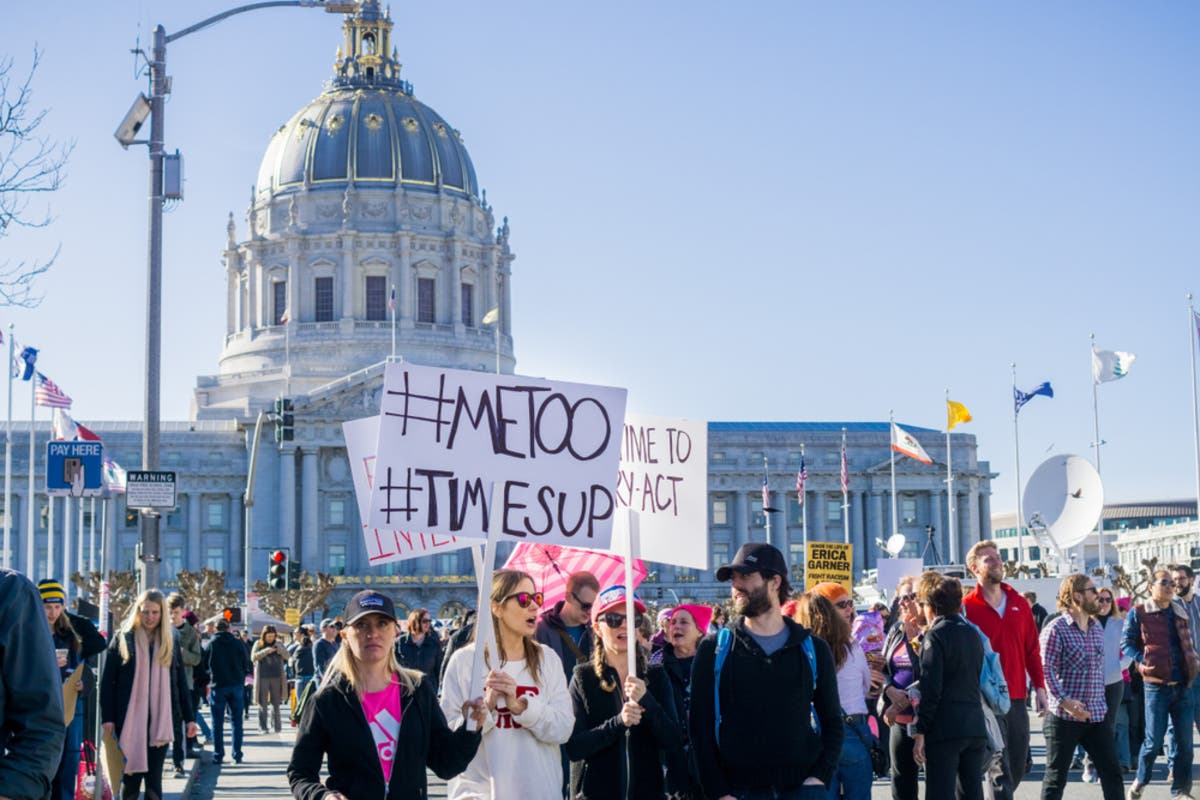
The #MeToo movement has effectively ended the professional careers of high-profile men, but isn’t changing the culture much in workplaces, according to a new national poll released Tuesday. Less than a third of working Americans surveyed by the American Psychological Association said their employer has taken new steps to prevent and address sexual harassment in the workplace.
The online survey — Workplace Sexual Harassment: Are Employers Actually Responding? — conducted by Harris Poll asked 1,512 adults who work full- or part-time or are self-employed how the movement has changed the culture where they work. The survey was conducted Feb. 15-March 1 and was part of the American Psychological Association’s 2018 Work and Well-Being Survey.
The most common practice of employers, cited by 18 percent of respondents, was simply to remind their workers of existing sexual harassment training or resources. Only 10 percent said their employer has added more training or resources amid reports of sexual harassment on the job. The survey also found that 8 percent said their employer adopted a more stringent policy related to sexual harassment, and 7 percent reported their employer hosted an all-staff or town hall meeting to discuss the issue.
Find out what's happening in Across Americafor free with the latest updates from Patch.
The survey results are disappointing, but not entirely surprising, said David W. Ballard, who heads the APA’s Center for Organizational Excellence.
“The #MeToo movement has given business leaders an opportunity to finally take real action addressing a complex problem that has been pervasive for generations,” Ballard said in a statement announcing the survey results. “Our survey — as well as anecdotal reports — shows that too few employers are making comprehensive efforts that can have significant impact.”
Find out what's happening in Across Americafor free with the latest updates from Patch.
As employers sort out the issue, they’re struggling with finding balance between too lax and too strict approaches, he said.
“Avoiding the issue is bad for employee well-being and business, but so, too, is a narrow, compliance-based approach,” Ballard said. “We know from psychological science that relying solely on mandated training designed primarily to limit the organization's legal liability is unlikely to be effective.”
However, attention to the issue of workplace sexual harassment has made employees more generally aware of the problem and more willing to take action, according to the survey. About half of U.S. workers say they are now more likely to report workplace sexual harassment if they experience it (50 percent) or witness it (51 percent), and that they are more likely to confront a coworker who is engaging in inappropriate sexual behavior at work (47 percent).
Research shows training on how to recognize and report sexual harassment isn’t enough to change employee behavior or workplace cultures where harassment is most likely to occur, according to the APA.
Instead, psychologists recommend comprehensive anti-harassment policies that are clearly communicated and reinforced in regular, ongoing training, as well as recruitment and promotion of women to senior leadership positions.
When women are in upper management roles, sexual harassment is taken more seriously, according to the report. Employees in organizations that have women in senior leadership roles said they were more likely to report sexual harassment at work if they experienced it (56 percent) or witnessed it (55 percent), and confront a coworker who is engaging in inappropriate sexual behavior at work (53 percent), compared with employees in organizations that don't have women in senior leadership roles (39 percent, 41 percent and 34 percent, respectively).
The survey also found links between increased efforts to prevent and address workplace sexual harassment and better employee and organizational outcomes more broadly.
When new steps had been taken, employees were more likely to say they were in good psychological health (90 percent versus 79 percent) and that their employer provides the necessary resources to help employees meet their mental health needs (76 percent versus 36 percent) and manage their stress (63 percent versus 31 percent).
They also reported higher job satisfaction (86 percent versus 60 percent) and motivation to do their best at work (89 percent versus 64 percent) and were more likely to say they'd recommend their organization as a good place to work (79 percent versus 51 percent), than those who said their employer had not taken any new steps.
"Sexual harassment at work occurs within a broader context," Ballard said. "For training to produce long-term changes, the organization's workplace practices need to align with and support the individual attitudes and behaviors it's trying to promote. Leaders in a psychologically healthy workplace model civility, respect, fairness and trust. In an organizational culture where every employee feels safe, supported and included, people can be their best, and that's good for people and profits.”
Photo via Shutterstock / Sundry Photography
Get more local news delivered straight to your inbox. Sign up for free Patch newsletters and alerts.