Weather
Northeast Cleans Up From Nor'easter; California Battles Mudslides
The fourth nor'easter in three weeks and a mudslide-causing atmospheric river brought severe weather to the East and West coasts.


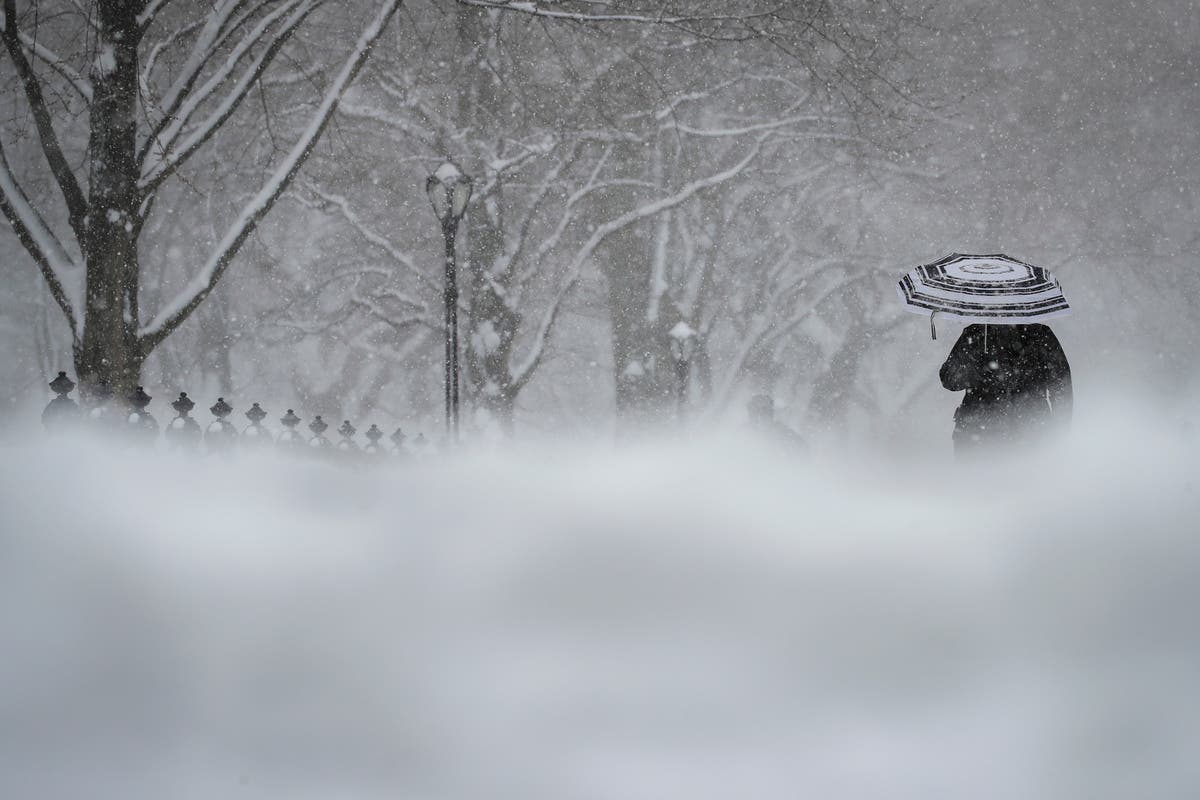
Cleanup is underway after a nor-easter clobbered the Northeast with more than a foot of snow in some areas and knocked out power to tens of thousands of residents on the first full day of spring. The storm lost some of its fury as it moved into New England Thursday.
Hardest hit were Long Island, Bay Shore and Patchogue, which received up to 19 inches of snow. Some parts of Pennsylvania got more than a foot, while major cities along the Interstate 95 corridor saw significantly less.
The official measurement in New York City's Central Park was 8 inches — which wasn't enough to break a March record that has stood for six decades, but it still quite a for late March. Downtown Philadelphia got 76 inches of snow.
Find out what's happening in Across Americafor free with the latest updates from Patch.
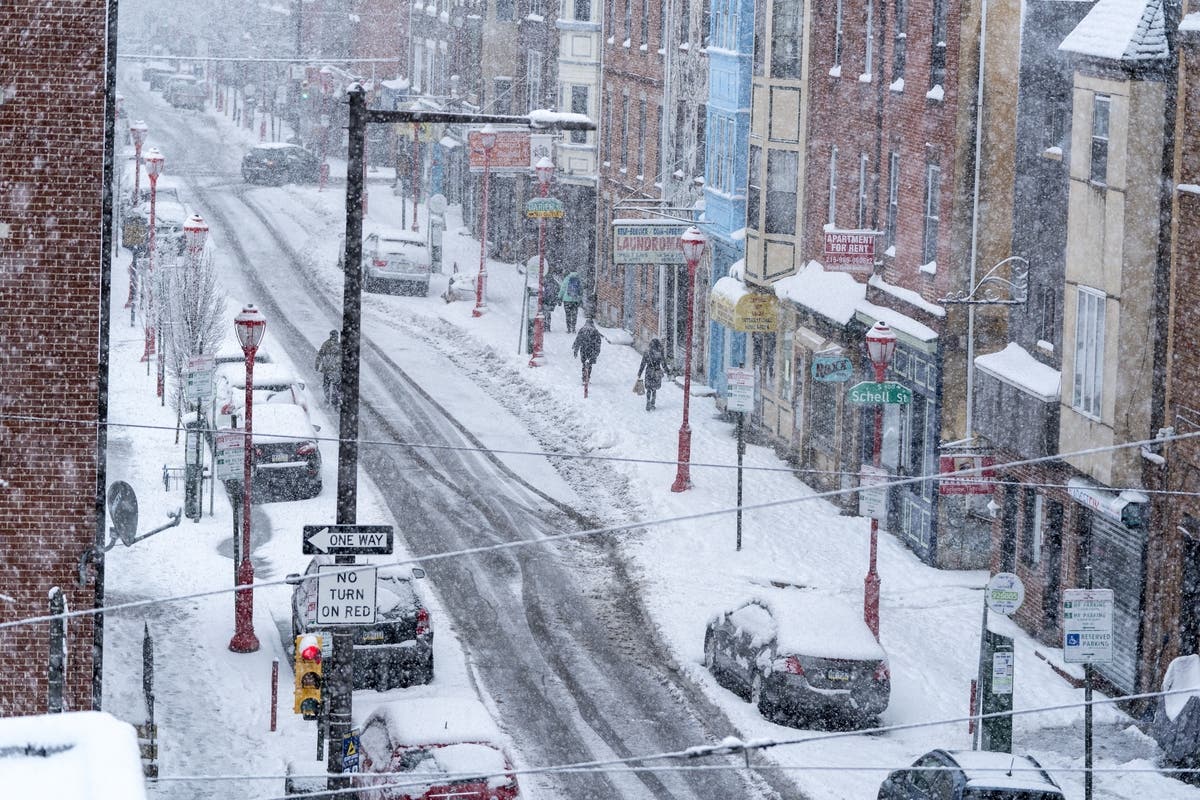
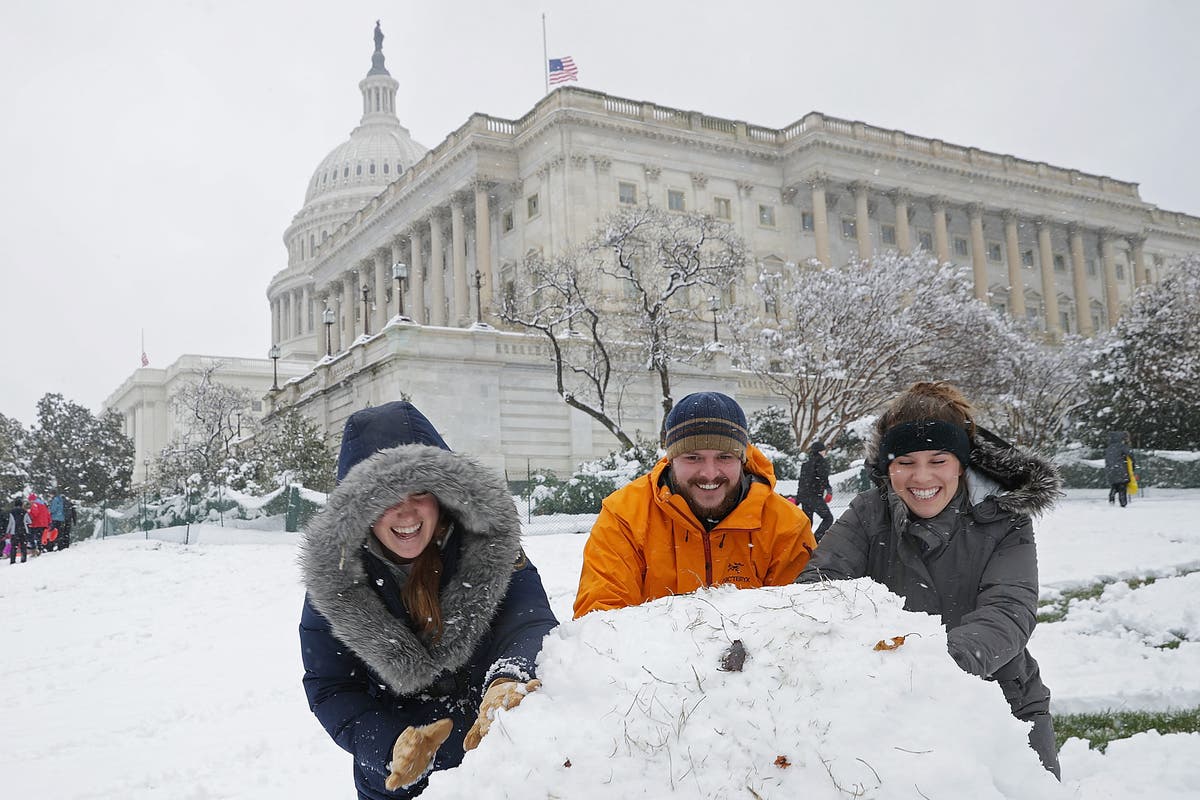
The weakening storm system is expected to leave Boston with a few inches of snow before tapering off Thursday afternoon, but some towns along the Massachusetts coast are dealing with flooding.
Airlines, which canceled more than 4,000 flights Wednesday, are slowly getting back into service. The flight tracking service FlightAware said on Twitter this has been "the worst March for cancellations" in at least five years. With 10 days remaining in the month, more than 10,000 flights have been cancelled due to severe weather.
Find out what's happening in Across Americafor free with the latest updates from Patch.
Amtrak was continuing a modified schedule Thursday on the Northeast corridor between Washington and Boston.
Police throughout the Northeast responded to hundreds of accidents, and at least two fatalities were reported in New Jersey and New York's Long Island.
On Wednesday, a state of emergency was issued Wednesday afternoon in New York City as a powerful nor'easter bearing down on the Northeast threatens to break spring snowfall records that have stood for six decades in the city. The storm is one of two wild weather events pummeling both sides of the coast on the first full day of spring. On the West Coast, a massive atmospheric river — a huge plume of subtropical moisture compared to a river in the sky — brought warnings of mudslides in parts throughout central and southern California.
Heavy rain fell Wednesday along coastal California, where thousands of people have been evacuated because of a threat of debris flows and mudslides in area left charred and barren in recent wildfires. The threat is strongest in fire-ravaged Santa Barbara County, where mudslides in January killed nearly two dozen people.
Back on the East Coast, New York Gov. Andrew Cuomo declared a state of emergency in New York City, and deployed 300 National Guard troops to the city, including the surrounding counties. About 5,500 utility workers were also standing by.
"As Mother Nature once again tests our great state, we have taken proactive measures in anticipation of the storm's heavy, wet snow that could impact power lines and cause dangerous travel conditions," Cuomo said.
Governors in New Jersey and Delaware also declared states of emergency.
The nor’easter, the fourth in three weeks, put about 70 million people under a winter advisory from the southern Appalachians to Boston, where 70 million people are under a winter storm watch.
The snow began falling Tuesday night in West Virginia and Kentucky, where it continued Wednesday morning, and mid-Atlantic states were seeing a wintry mix before the precipitation was expected to change over to all snow.
Dan Peterson, a meteorologist with the National Weather Service, said pinpointing exactly where the storm would hit the hardest was "tricky."
"We're still expecting heavy snows throughout the region, but there could be lower numbers in some coastal areas where warmer temperatures are causing rain or more of a wintry mix," he told the Associated Press.
Residents of the affected area were hoping for the best, but expecting the worst.
"I didn't think I'd still need to keep storm stuff in my car in late March, but what are you going to do?" Wilson Collins told the AP as he prepared to leave his Toms River, New Jersey, home on Wednesday morning, checking his trunk to make sure he had a shovel, a blanket and other emergency items. "I'm hoping most of the snow will accumulate just on the grass, but the roads will be a mess no matter what. I just hope this is finally it."
If the current forecast holds true, the nor’easter will dump more snow on Washington, D.C., Philadelphia and New York than the three earlier storms combined and shatter records for spring snowstorms, CNN senior meteorologist Brandon Miller said.
"It's been 75 years since Washington has had 5 inches of snowfall or greater this late in the season," Miller said.
Snowfall in New York could also break a National Weather Service record of 11.8 inches set on March 21, 1958.
"If (New York) gets 12 inches of snow —the National Weather Service currently has a high-end potential of 18 inches — it would be (its) largest snowfall ever recorded after the first day of spring," Miller said.
ATMOSPHERIC RIVER BRINGS MUDSLIDES
The first full day of spring is packing a wallop in California, where rain is expected to last through Thursday. Mud and rockslides have closed several roads in Ventura County, including Highway 1 at Ragged Point near Big Sur. The scenic coastal route is still blocked by a massive landslide triggered by a storm last year.
Tens of thousands of California residents were ordered to evacuate their homes to avoid flooding and destructive debris flows in areas left barren by huge wildfires. Up to 5 inches of rain is expected in coastal areas and valleys. The foothills and mountains could get up to 10 inches, the National Weather Service said.
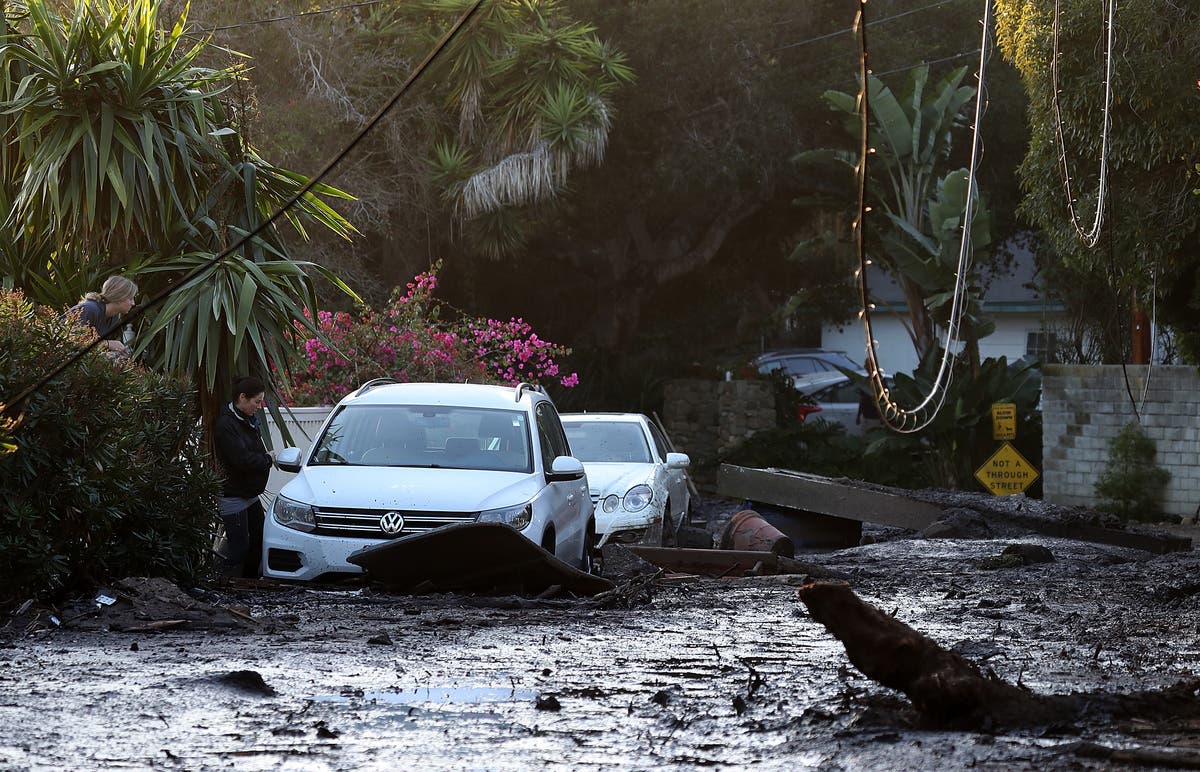
About 30,000 people were told to leave communities along the south coast of Santa Barbara County, which still hasn’t recovered from a Jan. 9 deluge that destroyed or damaged hundreds of homes, killed 21 and left two children still unaccounted for. Evacuations were also ordered in Ventura County.
"We actually do feel good about the evacuation order," Santa Barbara County spokeswoman Suzanne Grimmesey said. "Law enforcement was out in the extreme risk areas of Montecito yesterday knocking on doors. For those that were home, we had a very good cooperation rate with people leaving."
Among those packing up was Kristine Sperling, her husband and their 11-year-old daughter. This is the third time in the last two weeks they've had to pick up and leave, but "it's a matter of life and death," she told the AP
Their home in Montecito wasn’t damaged in the Jan. 9 mudslide, but they had to be rescued after they lost power and water and the roads out of town were destroyed. A family friend and several of the Sperlings’ neighbors were killed, though.
“We’re just not willing to take that kind of chance anymore,” Sperling said.
The National Weather Service’s forecasting models of the atmospheric river indicate the first 24 to 36 hours of the storm would target southern Santa Barbara County, western Ventura County and farther up to the coast in San Luis Obispo County.
Evacuations weren’t ordered elsewhere, but with burn scars scattered across the state, the Los Angeles County Fire Department urged residents to have a plan for evacuation and stay away from areas susceptible to heavy rains to stay away from them. Flash flood warnings were expected to take effect Wednesday in areas of the Sierra Nevada and mountains in the interior of Southern California.
ALBERTA CLIPPER BREWING IN MIDWEST
The Midwest and Northern Plains, where relative calm conditions were forecast Wednesday, isn’t out of the winter woods just yet. A brewing Alberta Clipper is expected to bring heavy snow across parts of the region by the end of the week before turning eastward toward the mid-Atlantic region later this weekend, AccuWeather.com said.
Unless the storm shifts, areas from northwestern North Dakota to northwestern Illinois could get several inches of snow and slush Friday and Friday night Some of the affected cities include Minneapolis and Rochester in Minnesota, Fargo and Minot in North Dakota, LaCrosse and Madison in Wisconsin, Dubuque and Cedar Rapids in Iowa, and Rockford and Peoria in Illinois.
The Associated Press contributed reporting.
Lead image: A woman carries an umbrella as she walks through Central Park during a snowstorm Wednesday, March 21, 2018, in New York City as the fourth nor'easter in three weeks hit the the Northeast. (Photo by Drew Angerer/Getty Images)
Get more local news delivered straight to your inbox. Sign up for free Patch newsletters and alerts.