Business & Tech
A Second Chance at Work
Dominic and Lashaunda, disabled individuals unemployed for 10+ years, share what got them back into the workforce and loving their new jobs


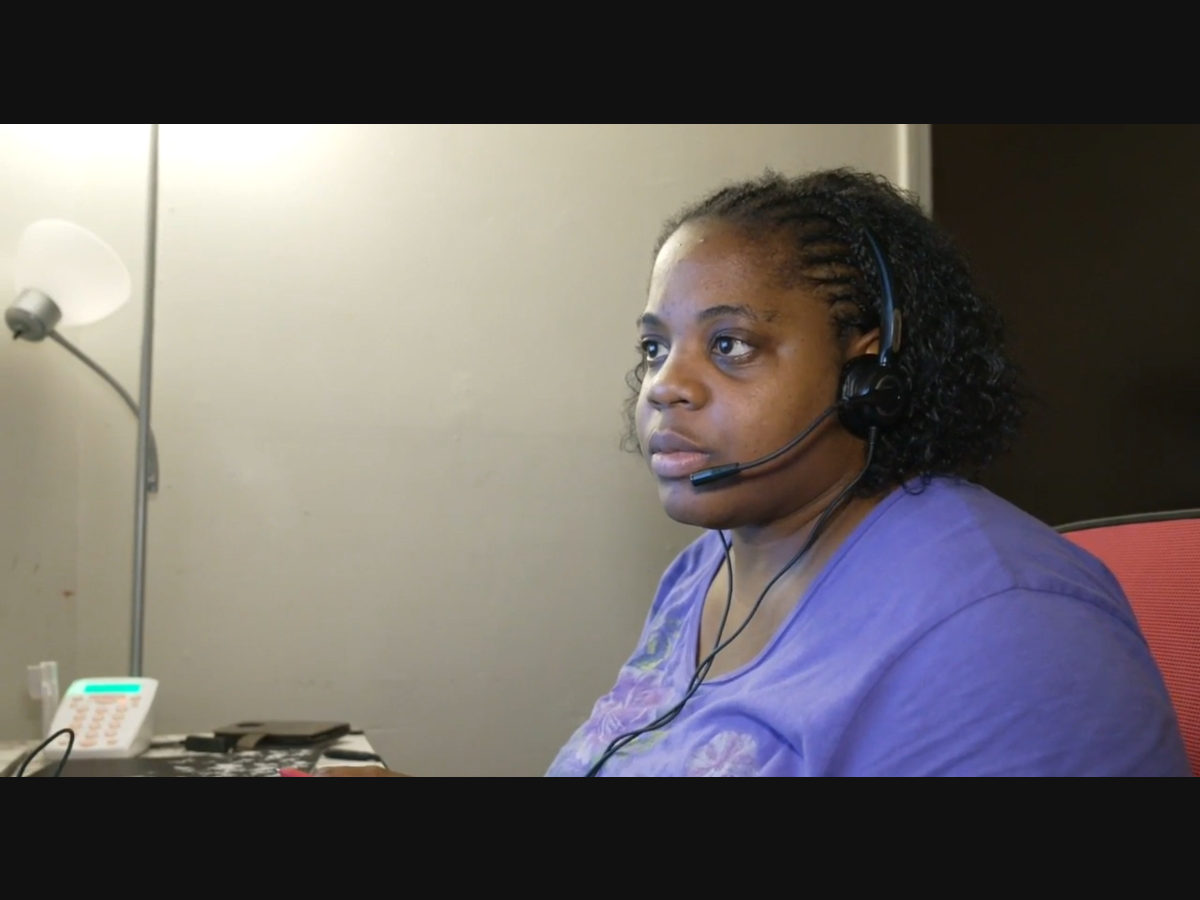
This article is part of NTI@Home’s #WorkforceWednesday series, celebrating 30 years of the ADA by showcasing employment opportunities available for the 1 in 4 Americans with disabilities.
Lashaunda Garner had been unemployed for more than a decade, feeling hopeless after facing the challenges of bias and discrimination.
“I was coping with the fact I was disabled,” she recalls.
Find out what's happening in Across Americafor free with the latest updates from Patch.
Then she got a call from the Social Security Administration informing her that she qualified for a nonprofit service that trains and places disabled people in work-from-home jobs. Through NTI@Home, which works directly with SSI, she could strengthen her skills and find gainful employment to supplement her disability benefits.
“They said to give it a look and check them out. I’m glad I did.”
Find out what's happening in Across Americafor free with the latest updates from Patch.
Garner went through NTI@Home’s free online training, updating her resume, and taking skills tests to match her with the right job. She now works for Meijer, a large supermarket chain in the Midwest, in their customer care department.
“The job, the training and everything taught me to be able to live with my disability,” she said. “I feel comfortable in my skin. Thanks to NTI and my position here, I’m no longer struggling with my disability.”
Last year almost 600 individuals with disabilities found part-time or full-time jobs through NTI@Home with some of the country’s most respected employers. Anyone with a physical, mental, or visual impairment – or who cares for someone who does – is eligible for NTI@Home’s nonprofit workforce training and matching services. Employees are trained to work at home in call centers and on IT help desks for government organizations, Fortune 500, and large and small companies.
“It’s a win-win situation,” says Alan Hubbard, Chief Operating Officer for NTI. “We get to help hundreds of people each year thrive more independently by helping them find work, and our business clients are very happy. We are giving them employees who are well-trained and have a burning desire to succeed in their positions.”
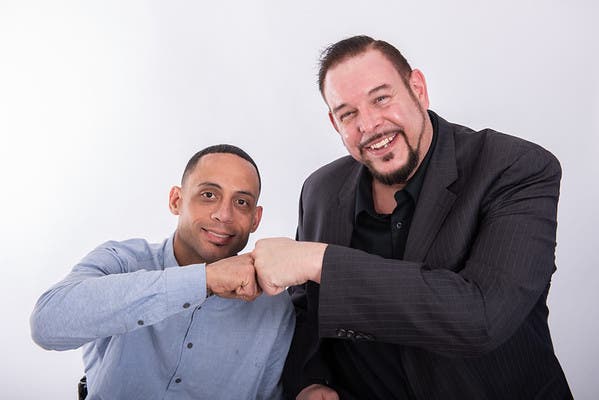
“It had been 11 years since I worked,” he said. “I was looking for full-time employment and NTI was the place that gave me the opportunity.”
Barber found NTI@Home through a web search and applied for a position on a government project in 2014. Once that project was over, he joined NTI as an entry-level employee. Now he is part of the NTI@Home team leading the mission of giving Americans with disabilities a second chance at work.
His fellow NTI employees know they can count on Barber to help them out when they need it. Last year, his colleague Michael Sanders was putting together an advertisement for New Mobility magazine and needed someone to model for him as a wheelchair basketball player. After a call to his Florida home, Barber quickly agreed to come to Boston for the photo shoot. Despite not being a wheelchair basketball player and never modeling before, he took to the game quickly and helped the photo shoot be a successful one for NTI.
“Dominic is a tremendous asset to NTI,” said Hubbard. “He is a tireless worker who does what he needs to do to get the job done. I love the fact he is unafraid to challenge the norms to help us discover new and better ways to train and place Americans with disabilities in jobs.”
NTI currently has nearly 200 openings in full- and part-time work-from-home positions available exclusively to the 61 million Americans with disabilities. Jobs currently available include work such as monitoring patients taking specialized medicines; staffing IT help desks; contact tracing for COVID-19; supporting long-term care teams; and customer service call center positions.
Hubbard is excited that his nonprofit is at the center of helping disabled people find work in these uncertain times.
“This is the time, right now, for Americans with disabilities to become part of the workforce, help the economy recover, and feel empowered in their employment once again.”