Seasonal & Holidays
Spring Fever Puts Wild Animals On The Move: How To Coexist In The Suburbs
Wildlife foraging and looking dens during spring leads to inevitable conflicts with humans, but deterrents don't have to be lethal.


The animal kingdom’s spring fling is in full swing.
Coyotes are busy raising their families and may show up in your back yard looking for food. Bears hungry after months of hibernation are sniffing around for food. Skunks are scurrying to find a hideaway to have and raise their kits; raccoons are trashing whatever gets in the way of them and comfort; and snakes are slithering toward the sunshine.
There’s a lot going on out there. Multiple species are mating, and in the animal kingdom, that instinct takes precedence over almost everything else. Human-animal conflicts are inevitable, especially in suburban areas where wildlife habitat has been fragmented or destroyed to make way for houses.
Find out what's happening in Across Americafor free with the latest updates from Patch.
Coexistence is possible with non-lethal deterrents.
Start by making sure your place isn’t a 24-hour diner. That’s universal management advice, no matter the species. Secure garbage cans; don’t leave pet food out at night; and sweep or rake fallen birdseed from areas around feeders.
Find out what's happening in Across Americafor free with the latest updates from Patch.
Below, learn more about and see how to coexist with other wildlife species.
Coyotes
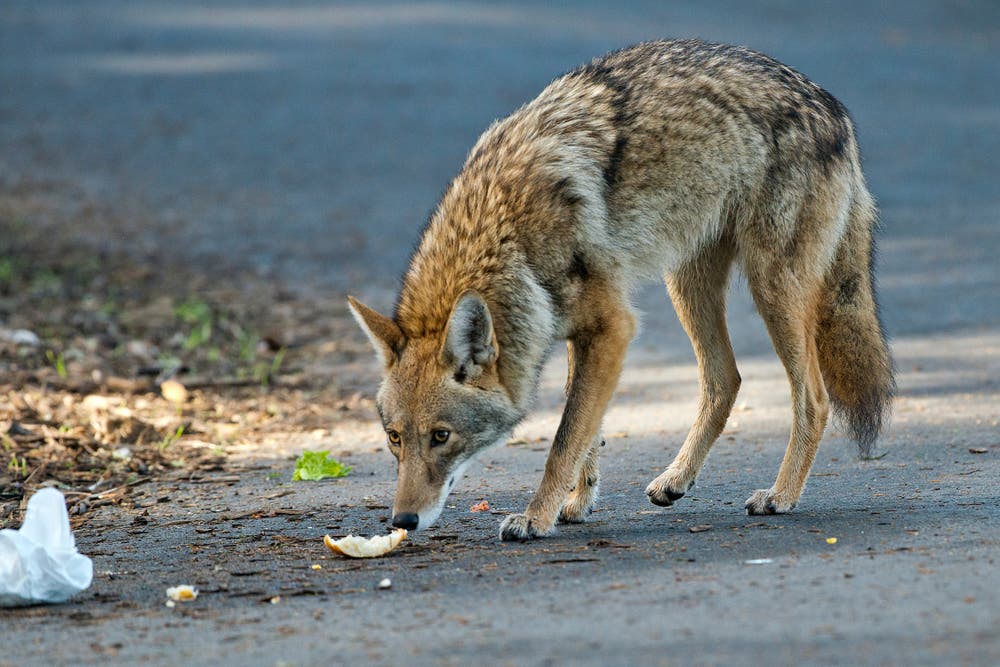
It’s pup season for misunderstood coyotes. The true story of urban coyotes — all coyotes — is one of intensely sentient and caring individuals whose family structure is remarkably similar to our own, Stanley Gehrt, the principal investigator in a long-running Urban Coyotes Research Project in Chicago, told Patch last year.
Coyote couples are faithful to one another until parted by death — something that can be said for only a handful of species — and together raise their pups to adulthood and send them out into the world to start their own families.
Both parents stick close to home and may be more visible during the day as they hunt for their families. They feed on disease-carrying mice, voles, squirrels and other small nuisance mammals.
Generally timid, shy and wary of people, coyotes typically run away if challenged. But at this time of year, they may become more defensive if people and pets get too close to their dens.
How to coexist: Walk dogs on a short leash. Don’t leave pets outside unattended, especially at dawn or dusk when coyotes are most active.
If a coyote approaches and refuses to leave, “haze” them by making yourself look big and waving your arms. Shout, clap, or bang objects. Do not run away.
If a coyote shows aggressive behavior or appears to be sick, contact local wildlife control
Bears
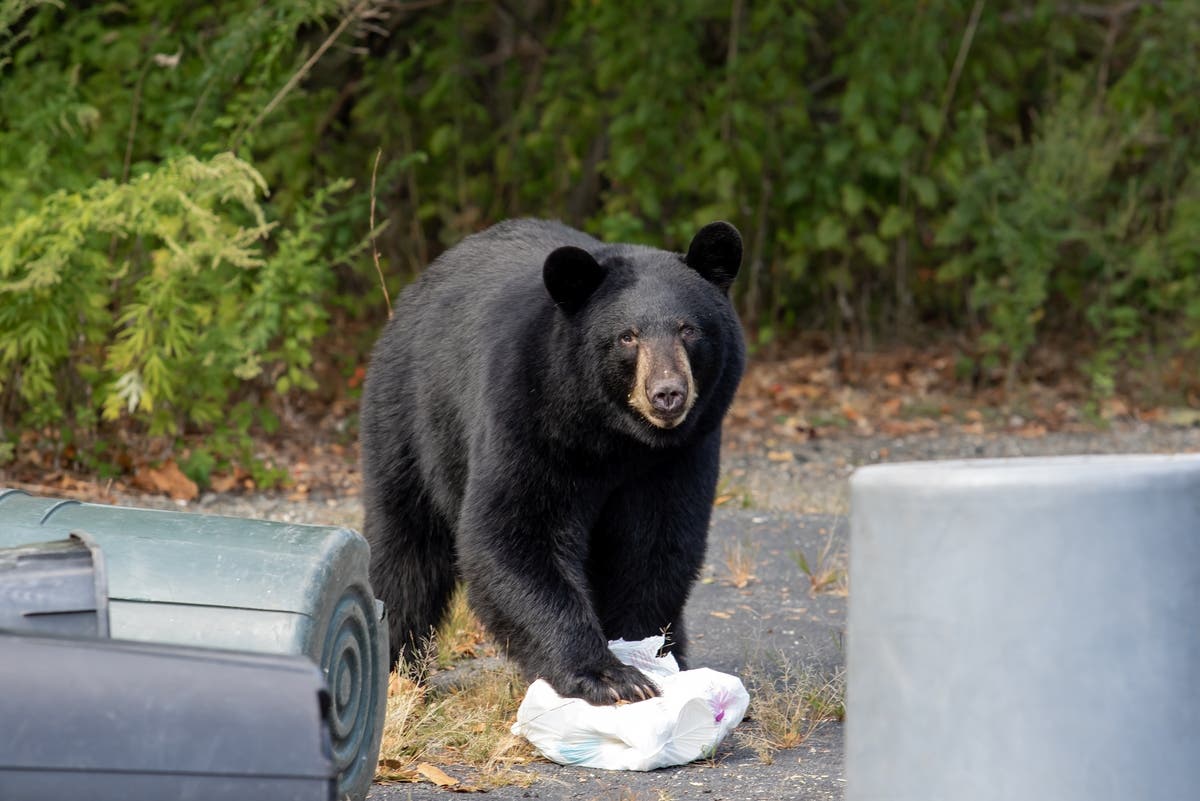
Bears, which are found widely across the country and in large numbers in some states, are waking from their winter hibernation. After months without food, they’re ravenous. And mama bears with their new cubs are intensely protective and are likely to become aggressive when they perceive a threat to their young.
Black bears, the most common bear species in North America, pose the largest threat due to their ability to adapt to habitat loss. They have a tendency to forage for food in neighborhoods.
Humans don’t bother them much. Just ask a Connecticut teenager who was home alone and had the living daylights scared out of her when a bear broke in and took some food. The teen was unhurt. Although attacks by bears are rare, they pose a threat to both humans and their pets, especially if dogs provoke them.
How to coexist: Leave bears alone. They’re highly intelligent, curious and adept problem solvers whose powerful noses pick up scents from miles away. This is especially helpful when they prepare for hibernation, but bears’ olfactory senses serve them in the spring as well.
Bears are unlikely to forget where they find easy food sources, according to the Animal Welfare Institute. Humans’ goals should be to make their properties unmemorable. Simply securing trash cans and sweeping fallen birdseed from the patio aren’t enough here.
The Animal Welfare Institute recommends bear-resistant garbage containers, metal dumpster-like containers with a lock. Check with your local sanitation department to ensure they are compatible with automated truck arms.
Also, make sure you clean outdoor grills after every use and store them inside a secure structure, like a garage or shed.
Consider removing bird feeders altogether when bears are most active. Even if the feeder is empty, bears will be attracted to the smell.
BearWise, an educational website and program developed by bear biologists to help people live responsibly with bears and keep them wild, offers these tips on what to do if you encounter a bear in a building, by a dumpster or nearby:
- Give the bear a clear escape route (do not corner it).
- Leave any doors open as you back away from the bear.
- Do not lock the bear in a room.
If you encounter a bear in the yard:
- From a safe distance, make loud noises, shout, or bang pots and pans together to scare away the bear.
- When the bear leaves, remove potential attractants such as garbage, birdseed, or pet food.
- Ask neighbors to remove attractants.
- Check your yard for bears before letting out your dog.
Skunks
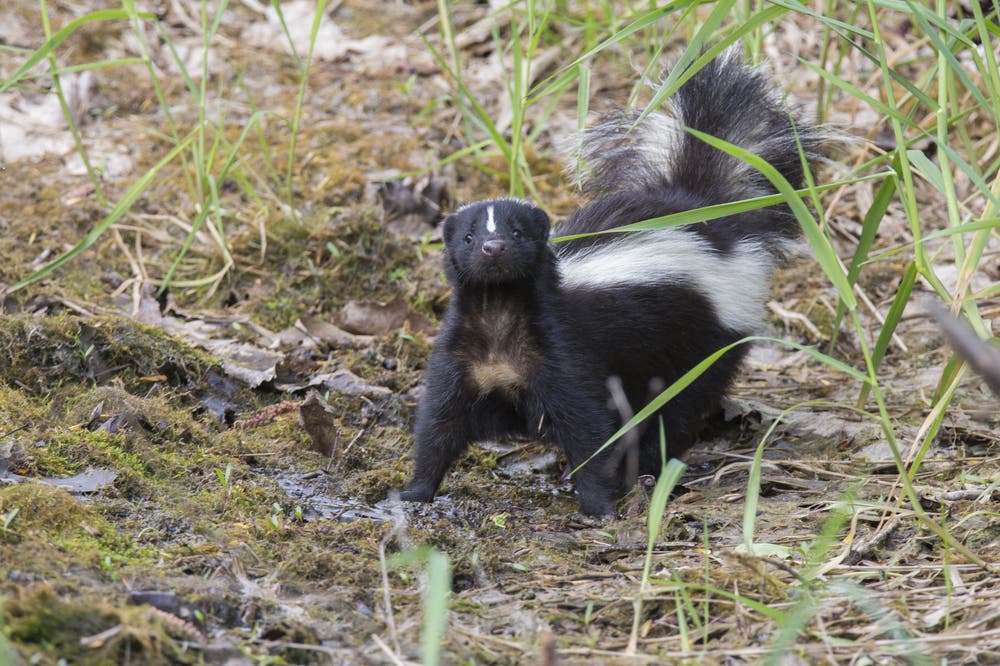
If you see a cone-shaped hole in your yard, start sniffing around. A musky odor, especially at night, may tell you all you need to know.
Skunks, hungry after a long winter, are digging around for grubs, insects and worms. This is an important time for skunks, and they need their energy. Male skunks, commonly called “bucks,” roam widely at night looking for does.
These newly impregnated skunks will be looking for safe places to make dens, where they’ll give birth to anywhere from four to eight kits later in the spring. They’ll all live together for a couple of months and become independent by later summer.
Skunk families can take up residence under decks or sheds, in woodpiles and hollowed logs, and in burrows abandoned by other animals.
How to coexist: The skunks have a bit of an upper hand here. They rarely spray, as it takes their glands more than a week to replenish, which leaves them vulnerable to predators. They will spray if threatened, so avoid approaching or startling them.
The best defense against skunks is a good offense. Skunks look for dark, quiet places to establish their dens. Flash the “no vacancy” sign with outdoor lighting around it. Vulnerable places, or consider a radio or other noise source.
You may need to consult a professional to trap and relocate them.
Raccoons
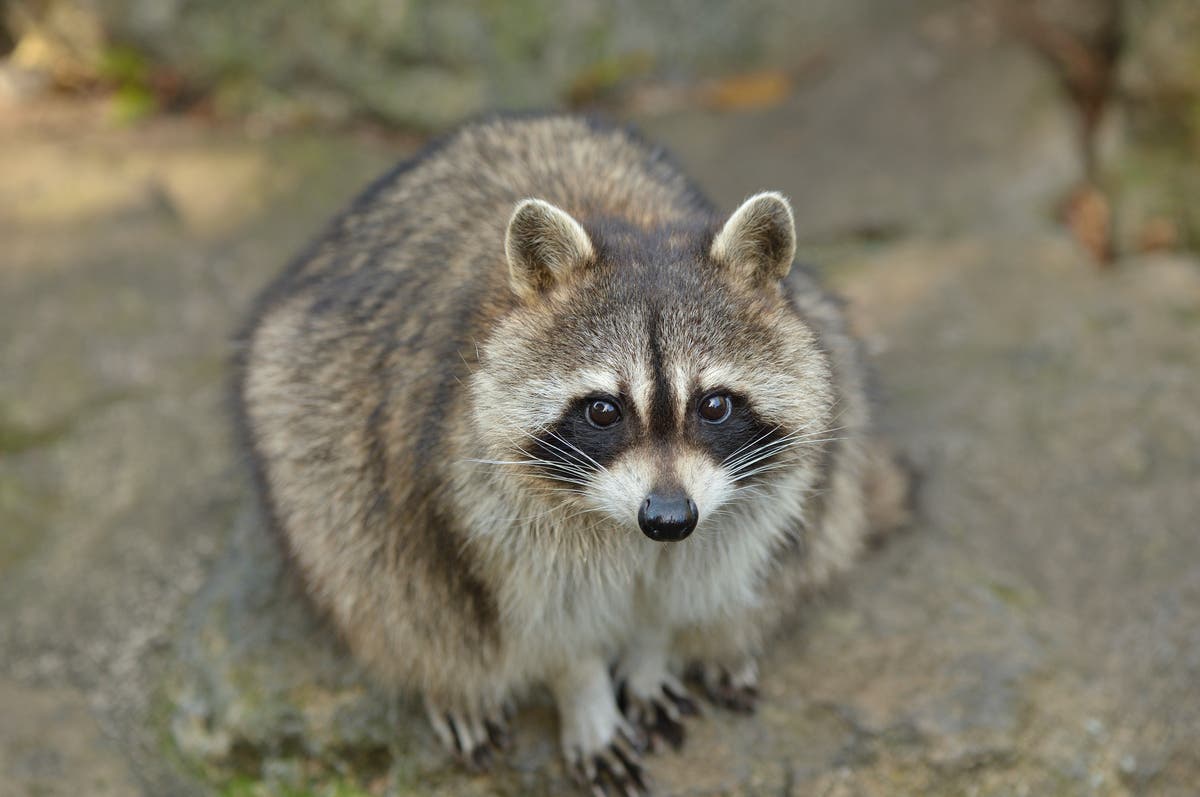
Raccoons are undeniably adorable with their masks and other distinctive markings, their large, expressive eyes, and their small, dexterous hands. They’re clever problem solvers, and there’s even some scientific evidence they’re evolving to become even cuter.
Incidents such as the drunken rampage by a raccoon that broke into a Virginia liquor store and passed out on the bathroom floor grab headlines, but they’re up to similar no good in neighborhoods across America — especially right now.
Females looking for nesting sites for their young are scouting out attics, chimneys, and crawl spaces. They live up to their “trash panda” moniker in this endeavor, destroying insulation and damaging ductwork — and maybe your roof — in their search.
How to coexist: No matter how cute they are, raccoons are dangerous, especially when cornered or protecting their young. Don’t approach them.
Seal attic and deck holes with metal mesh and install chimney caps. Motion-activated sprinklers and lights are also deterrents. Scent repellants can be a temporary remedy, but their effectiveness is limited.
If they’ve already figured a way in, call a professional, humane wildlife service. Don’t try to trap them yourself. Raccoons are a top carrier of rabies in North America, and their feces can carry dangerous parasitic raccoon roundworm eggs, which pose serious health risks to humans and pets. Handling a trapped raccoon, its latrine, or the trap itself without proper protective equipment can lead to exposure to these diseases.
Snakes
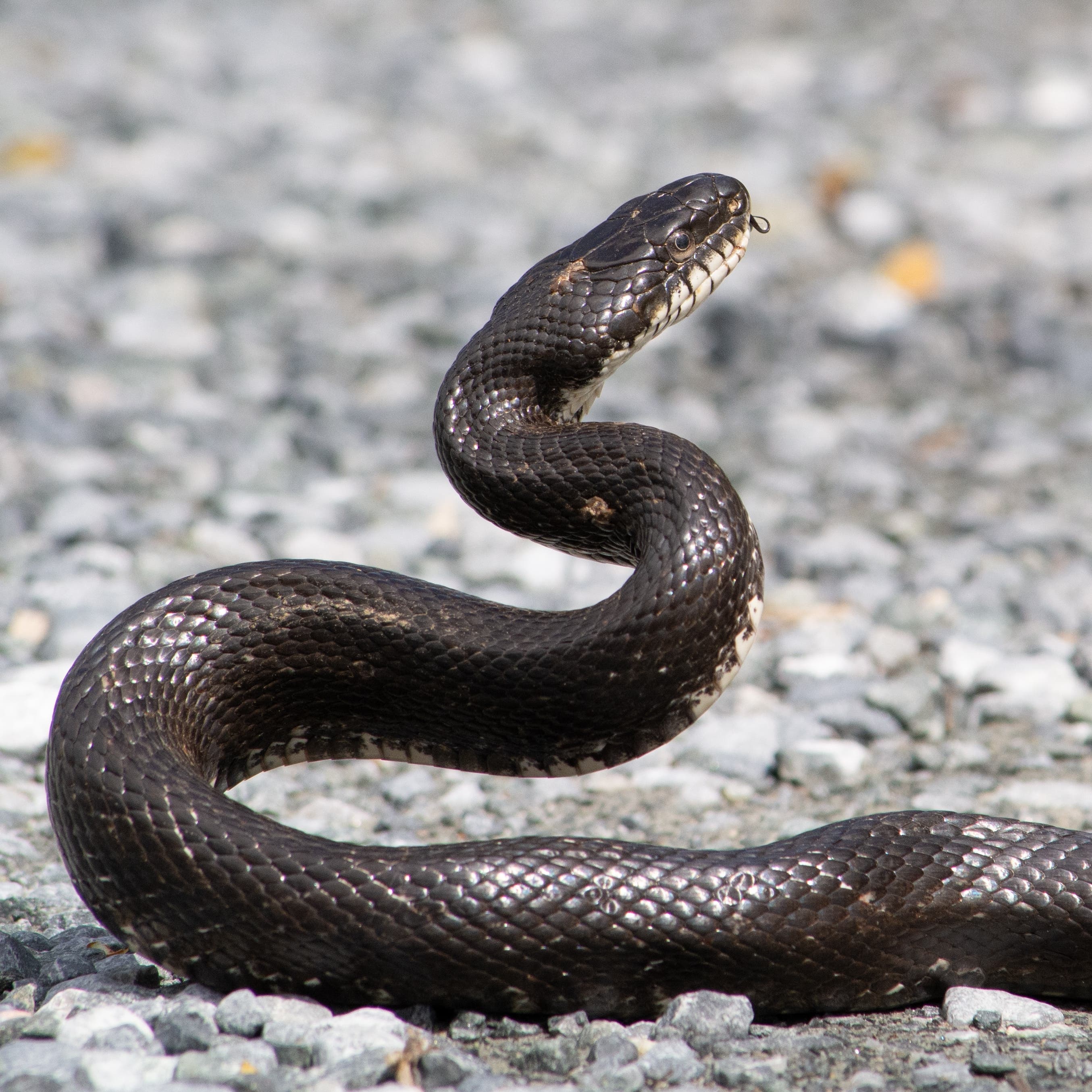
Snakes are awakening from their winterbrumation, a period of dormancy characterized by lethargy, broken sleep, and necessary hydration.
They’re unlikely to win a popularity contest, but most of the antipathies surrounding snakes are guided by ignorance and myths. Yet they are vital to the ecosystem. Their disappearance, especially of venomous snakes, could lead to unchecked rodent populations and a surge in diseases like the bubonic plague.
Although good workers, no one wants them as roommates. Snakes most commonly found around homes and outbuildings include non-venomous species like garter snakes, rat snakes (including black rat snakes), racers, kingsnakes and milk snakes. They may also take up residence in crawl spaces and attics, very often without the homeowner knowing.
These snakes are unlikely to bite, but if they do, it’s usually a defensive strike causing minor, short-lived pain or slight swelling.
There’s generally no need to kill snakes, even if they are causing problems, such as when they’re slithering around backyard chicken coops, where they may prey on young chicks and eggs.
How to coexist: Once snakes have found a way into your home, evicting them from these spaces can be extraordinarily difficult because they slide into hiding places in insulation and other hard-to-get-to spaces.
The first step should be to isolate what is attracting them, such as mice, and then seal off all except the main entry point with caulk or wire mesh.
If you happen to come across a snake inside your living quarters, try to put an empty bucket over it, then slide a piece of heavy cardboard beneath it to trap it. You can then carry it outside. If this doesn’t work, try herding it outside using a broom.
Venomous snakes in the U.S. include copperheads, rattlesnakes, cottonmouths (water moccasins), and Eastern coral snakes. If you find one outside your home, remove it. Killing it is not necessary.
Keep your distance if you see one of these snakes passing through, but if it’s near your house or barn, it’s best to consult a qualified nuisance-removal specialist. Most snakebites occur while trying to handle or remove venomous snakes.
P.S., Leave Bambi’s Baby Alone
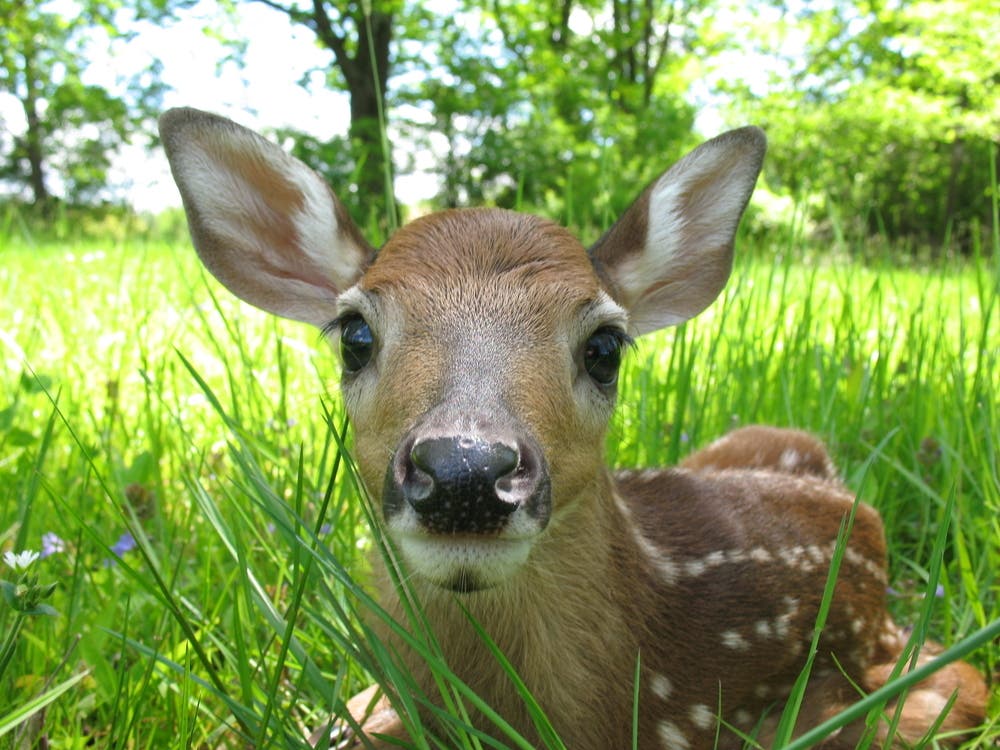
You may soon see a baby fawn tucked among your landscaping. They’re born as early as April, although most are born in July. Once they’re strong enough to keep up with their mothers, fawns are often left in areas with tall grasses or bushes, but their mothers may also leave them in back yards and retrieve them at dusk.
This leads to numerous reports of fawn “kidnappings” every year, according to the Wildlife Center of Virginia. Well-meaning people think that because the fawn is alone, it must have been abandoned or was orphaned.
How to coexist: Leave the fawn alone. Contact local wildlife authorities if the fawn is bleeding, has an open wound or a broken bone, is covered in fly eggs (which look like grains of rice), is cold or wet; if it has been crying nonstop for hours; or if it appears weak and is lying on its side.
Get more local news delivered straight to your inbox. Sign up for free Patch newsletters and alerts.