Weather
Vicious Tornadoes, Massive Flooding Cause More Destruction
A stubborn weather system parked over the central United States has spawned a record-setting number of twisters and massive flooding.


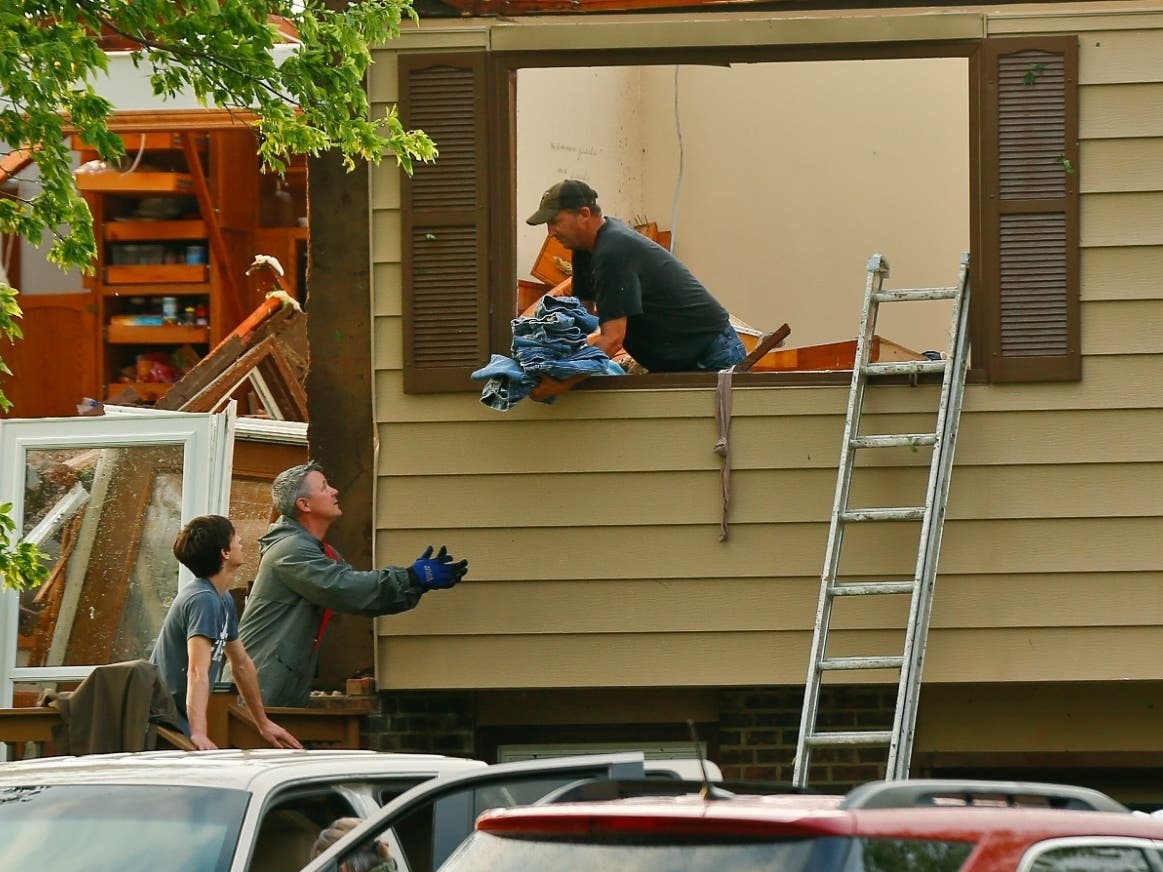
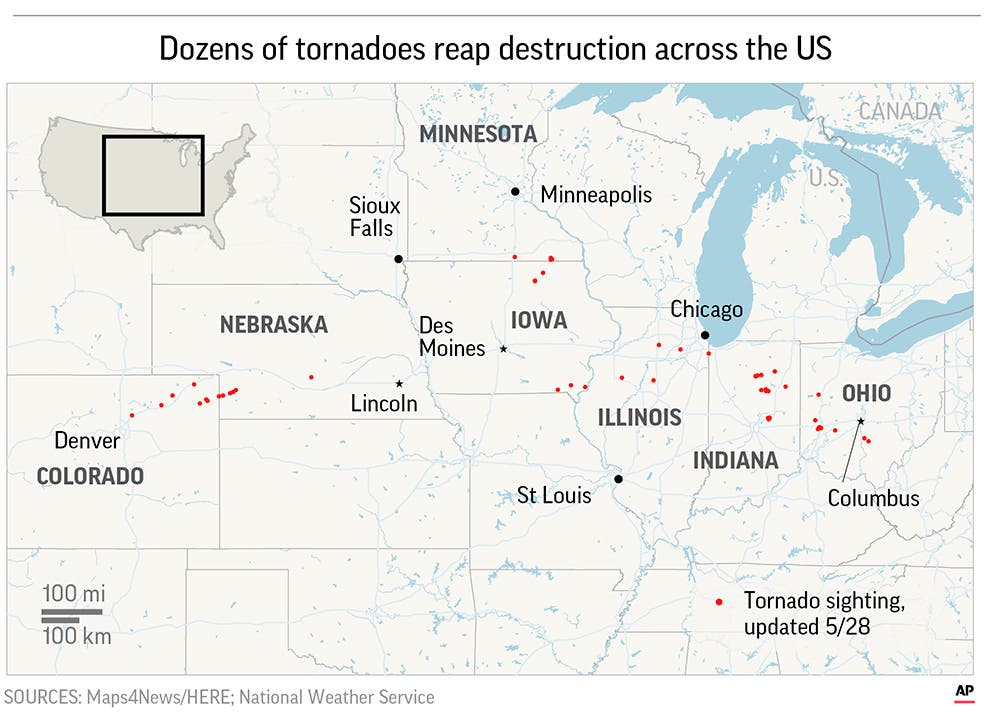
More vicious tornadoes tore across the country’s midsection again Tuesday, breaking a record that had stood for nearly 40 years and causing devastation from Colorado to as far east Pennsylvania. Some of the worst damage was in the Kansas City area in both Kansas and Missouri, but the 27 reported twisters on Tuesday, but warnings also were issued in New Jersey and New York City.
The severe weather outbreak came a day after violent storms killed one person and injured at least 130 in Indiana and Ohio. So far this year, 38 people have died in 10 tornadoes in the United States, and seven have died in the past week — including the person who died in Ohio, and others who were killed in Iowa, Missouri and Oklahoma.
At least a dozen people were admitted to a Lawrence, Kansas, hospital about 40 miles west of Kansas City, Missouri, after a tornado touched down in northwest Kansas.
Find out what's happening in Across Americafor free with the latest updates from Patch.
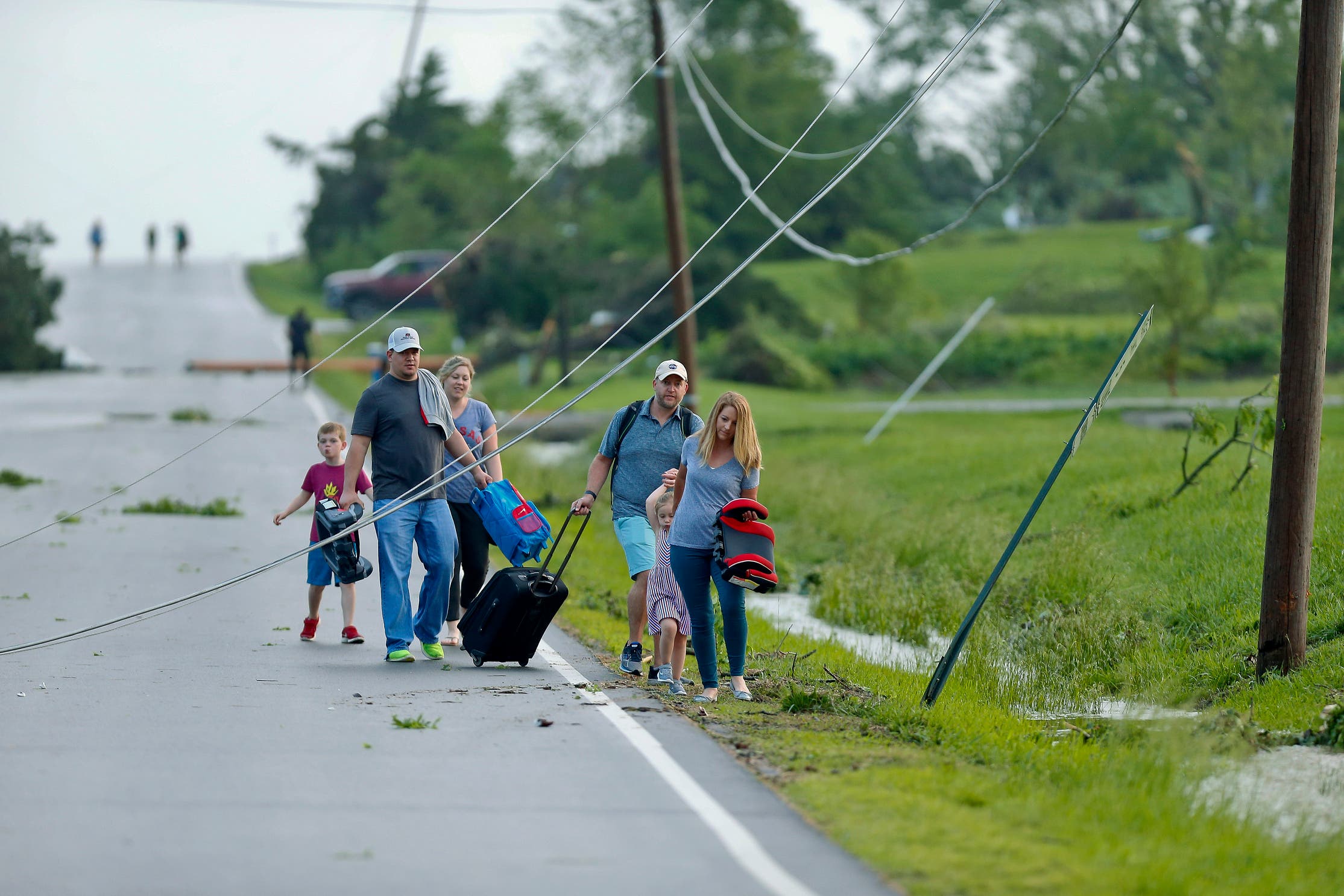
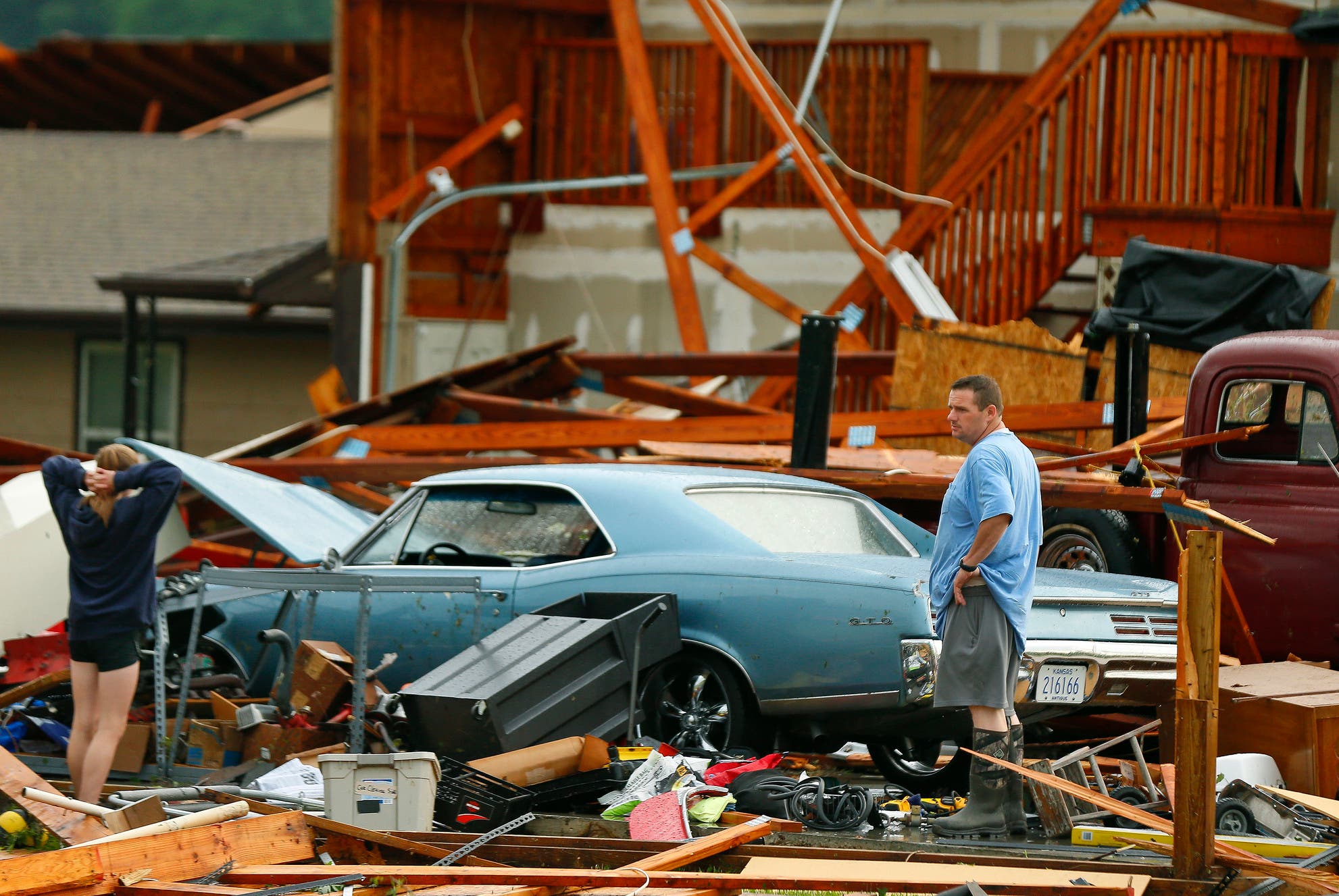
The storm downed trees and power lines, peeled away roofs on houses and flattened homes in Linwood, Kansas. The twister destroyed a daycare in Lawrence, leaving families that relied on it without a place to take their children Wednesday. Damage also was reported in the towns of Bonner Springs and Pleasant Grove.
Find out what's happening in Across Americafor free with the latest updates from Patch.
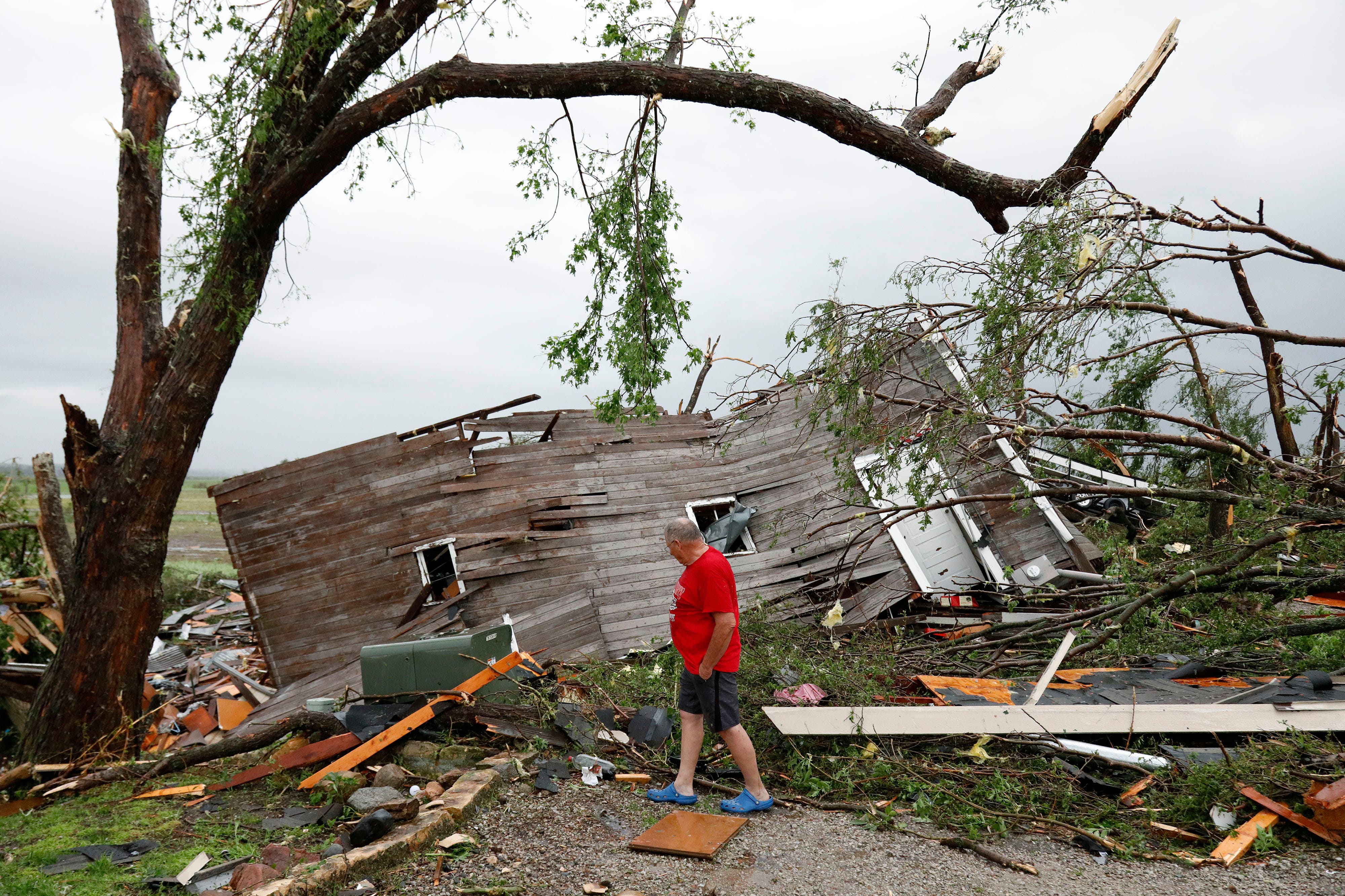
Mark Duffin, 48, and his family had only few minutes to retreat to the basement after seeing a report on television that a tornado was headed toward his home in Linwood. He told the Kansas City Star he grabbed a mattress to shelter him, his wife and 13-year-old as their home crashed down around them.
“I'm just glad I found my two dogs alive,” he said. “Wife's alive, family's alive, I'm alive. So, that's it.”
The Kansas City metropolitan area, home to 2.1 million people, was spared a direct hit in Tuesday’s storm, though officials had declared a tornado emergency.
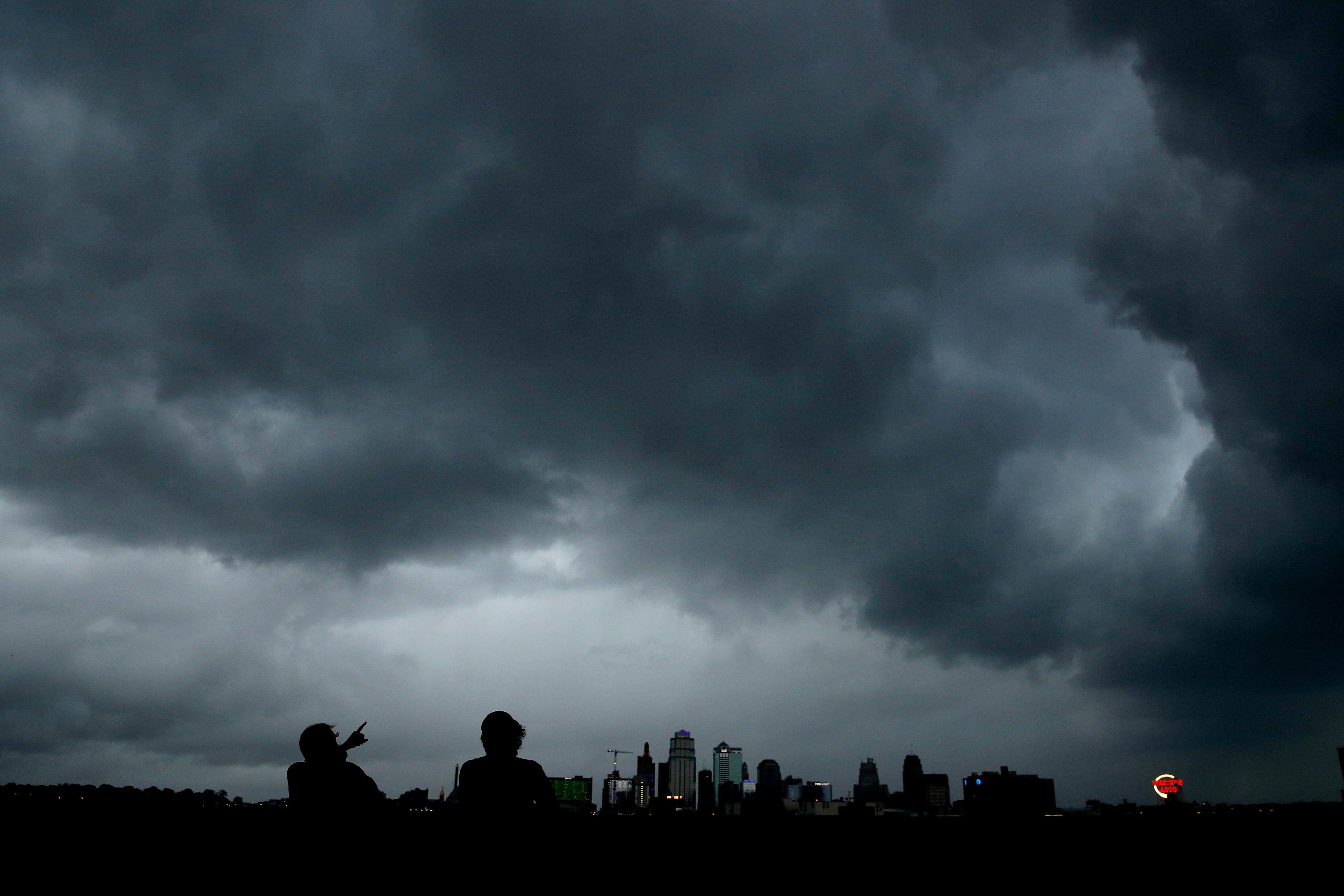
Tornadoes aren’t the only threat from the stubborn weather system that remains parked over the central U.S. Record flooding from heavy rains has put every county in Oklahoma under a state of emergency. The swollen Arkansas River is threatening hundreds of homes and businesses from Kansas to Louisiana, where it dumps into the Mississippi River. The Mississippi is already approaching record levels in several communities in Missouri and Illinois.
The community of Sand Springs, Oklahoma, was swallowed by the Arkansas River’s raging current, and hundreds were evacuated from their homes, CBS News reported. In nearby Tulsa, more than 1.2 million people were warned that water releases from Keystone Dam could threaten aging levees built in the 1940s.
The National Weather Service said Tuesday was the 12th straight day that at least eight tornadoes have been reported. The last time that happened was in 1980. So far this year, the Weather Service has received 934 reports of tornadoes this year, more than 500 of them in the last month. More storms are expected Wednesday.
Patrick Marsh, warning coordination meteorologist for the federal Storm Prediction Center, said high pressure over the Southeast and an unusually cold trough over the Rockies are forcing warm, moist air into the central U.S., triggering repeated severe thunderstorms and tornadoes.
“Neither one of these large systems —the high over the Southeast or the trough over the Rockies— are showing signs of moving,” Marsh said. “It's a little unusual for them to be so entrenched this late in the season.”
Marsh said outbreaks of 50 or more tornadoes aren’t uncommon and have happened 63 times in U.S. history. There have been three instances of 100 or more twisters, but what makes the current system unusual is that it is occuring over a particularly wide geographic area during an especially active period of severe weather.
“We're getting big counts on a lot of these days and that is certainly unusual,” Marsh said.
Since 2012, tornadoes have tracked at below average each year, and meteorologists are at a loss to figure out why.
Scientists also say climate change is responsible for more intense and more frequent extreme weather such as storms, droughts, floods and fires, but without extensive study they cannot directly link a single weather event to the changing climate.
"Those conditions are ripe for the kind of tornadoes that have swept across the Midwest in the last two weeks, said Cathy Zapotocny, a meteorologist for the weather service in Valley, Nebraska. Zapotocny said the unstable atmosphere helped fuel many of the severe winter storms and subsequent flooding that ravaged Nebraska, Iowa and Missouri earlier this year.
"We've been stuck in this pattern since February," she said.
Until this past week, the number of tornadoes was “basically normal,” Zapotocny said, noting that May is typically the month with the highest number of twisters.
The Associated Press contributed reporting.
Video by Mike Killian Photography, via Twitter
Get more local news delivered straight to your inbox. Sign up for free Patch newsletters and alerts.