Politics & Government
North Korea Latest: Former UN Ambassador Says Ohio Man Could Be Key
Bill Richardson has been to North Korea eight times and negotiated prisoner releases. He has some ideas on how to handle the situation.


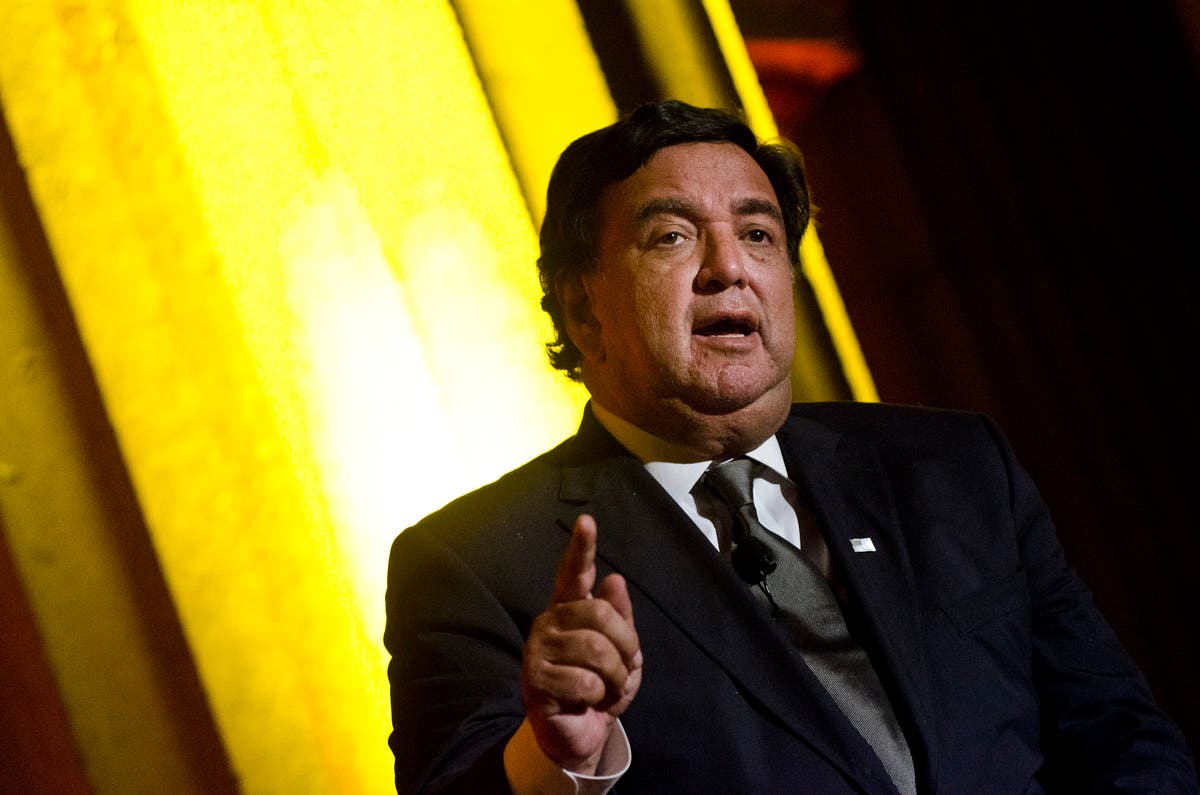
Former United States Ambassador to the United Nations Bill Richardson thinks that a young man from Ohio could be the key to solving the increasingly dangerous situation with North Korea. Otto Warmbler has been held there for more than one year. Richardson thinks his situation could be the starting point for negotiations.
“His situation could provide a path forward to start talks,” Richardson tells Patch of the 22-year-old who was sentenced last year to 15 years of hard labor for allegedly stealing a propaganda poster. “His situation provides us a way to start a dialogue. They’re using him as a bargaining chip. We just need to figure out what they want.”
Richardson — who has been to North Korea eight times and successfully negotiated the release of prisoners there — says the North Koreans seem open to negotiations about Warmbler's status.
Find out what's happening in White Housefor free with the latest updates from Patch.
“I’ve offered to go,” he says. “They haven’t said come. They haven’t said don’t. We need to find a third party and a way to get that young man in the mix.”
As North Korea plans to mark the 105th birthday of Kim Il-Sung, the grandfather of current leader, Kim Jong-Un, Richardson believes there will be some sort of military demonstration this weekend.
Find out what's happening in White Housefor free with the latest updates from Patch.
“It could be an intercontinental ballistic missile, it could be a nuclear test,” he says. “It will be something. It’s such an important holiday for them."
Richardson says that a major difference between Kim Jong-Un and his father and grandfather is his unpredictability.
“He is definitely taking a different path,” Richardson says. “He is carving out his own way. This is the biggest problem with North Korea today - the unpredictability of its leader. With the previous regimes, you could make a deal. There would be a consistency to things and you knew that there would be things that you could count on. You could make a deal for a prisoner in exchange for food, for energy.”
Richardson says the difference is clear in how North Korea reacts to China.
“He doesn’t seem to be concerned about China or what they say,” he says. “They are a key supplier of food, energy, and economic support for North Korea, and he seems focused on little more than demonstrating his independence, building his arsenal.”
Richardson thinks that Kim Jong-Un is “isolated, unsure of his own status in the country. Look at how he has knocked off potential rivals. He doesn’t meet with the Chinese or listen to international actors who might influence him.”
So, with some sort of military demonstration seemingly inevitable, what does Richardson think happens next.
“We need to not be trigger happy and talking about preemptive strikes,” he says. “There are 25,000 American troops in South Korea, 50,000 in Japan. There are 25 million people in metropolitan Seoul. We need to be very careful not to do something that will trigger a bad response. And that’s something that hopefully the Koreans recognize as well. It is important to keep cool.”
Richardson thinks there are four steps that could lead to peace.
“First, China should tighten oil and coal exports,” he says. “That would send a signal to the North Koreans that they are in danger of losing the Chinese. Second, we need to go back to the United Nations and impose more sanctions.”
Richardson also says that the UN should impose banking sanctions, “the one area where we have not tried sanctions. It would make it very difficult for assets to get into North Korea and hurt their ability to get currency. Third, we should continue moving forward with the defense missile system we are developing with the South Koreans. The Chinese don’t like but we should keep moving forward.”
Lastly, Richardson says, keep trying diplomacy.
“They need food, they need energy,” he says. “We need to keep talking and hopefully, we can get to the point where we can negotiate no more nuclear tests, no more missile launches in return for humanitarian assistance."
Richardson says that while he is willing to help the Trump administration if they were to ask, he thinks they “need to find their own person. And their team is starting to come into their own, finding their way. They’ve had some rough patches, major players making contradictory statements or getting undercut by the president’s tweets. But they’re getting there.”
The key, Richardson says, is that “they need to come up with a coherent strategy,” something he thinks they have not yet reached. He supports the two military strikes this week but says they do not represent a policy as much as two individual actions, “foreign policy on the fly.”
He says Nikki Haley, who holds the Ambassador to the United Nations Post that he once held, is doing a good job.
“I think that she’s doing a very good job,” he says. “She’s been highly visible and forceful, speaking out on issues.”
At the same time, he says, “we need to hear more from the secretary of state, which is beginning to happen. The problem is they seem to be trying to find their own way when what we need is for the president to set the tone and for them to be following his lead. That’s not happening and it leaves a lot of people concerned about how things are going to work out.”
Richardson says he wants to be hopeful but finds himself pessimistic, noting, “It’s hard to escape the feeling that we’re waiting for the next bomb to drop.”
Photo Kris Connor/Stringer/Getty Images Entertainment/Getty Images
Get more local news delivered straight to your inbox. Sign up for free Patch newsletters and alerts.