Politics & Government
Supreme Court To Hear Case On 'Faithless' Electors: Report
States want the ability to replace or punish Electoral College members who ignore the popular vote.


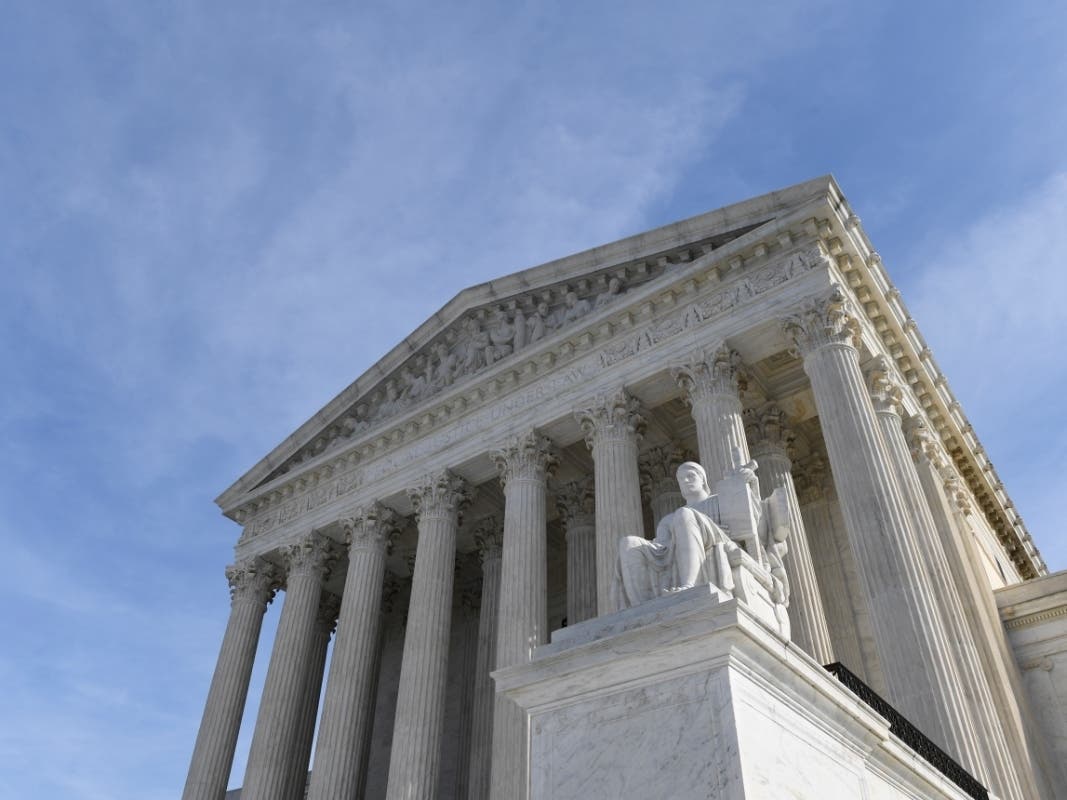
After lower courts split on the question, the U.S. Supreme Court decided today it will hear a case to decide whether presidential electors are bound to support the popular vote winner in their states or can opt for someone else.
States want the ability to punish or replace these so-called "faithless" electors — or members of the Electoral College who ignore popular vote in their respective state when casting their own vote for president, according to a report by The Washington Post. States want the option because they "fear a handful of independent-minded members ... deciding the next president."
Thirty U.S. states have laws in place requiring electors to cast their ballots in accordance to the popular vote, and while faithless electors haven't been much of an issue in the past, the case before the Supreme Court stems from the 2016 presidential election.
Find out what's happening in White Housefor free with the latest updates from Patch.
Three Hillary Clinton electors in Washington state and one in Colorado refused to vote for her despite her popular vote win in both states. In so doing, they hoped to persuade enough electors in states won by Donald Trump to choose someone else and deny Trump the presidency.
The federal appeals court in Denver ruled that electors can vote as they please, rejecting arguments that they must choose the popular vote winner. In Washington, the state Supreme Court upheld a $1,000 fine against the three electors and rejected their claims.
Find out what's happening in White Housefor free with the latest updates from Patch.
In all, there were 10 faithless electors in 2016, including a fourth in Washington, a Democratic elector in Hawaii and two Republican electors in Texas. In addition, Democratic electors who said they would not vote for Clinton were replaced in Maine and Minnesota.
Advocates for the court's intervention say the issue needs urgent resolution in an era of intense political polarization and the prospect of a razor-thin margin in a presidential election
After it hears the case, the Supreme Court is likely to make a decision this spring — a decision that could change a key element of the system America uses to elect its president.
The Associated Press contributed to this report.
Get more local news delivered straight to your inbox. Sign up for free Patch newsletters and alerts.