Politics & Government
‘War On Coal’ May Be Over, But Coal Already Lost: Report
The shift away from coal is largely market-driven, scientists say, noting EPA chief's claim that "war on coal is over" won't change much.


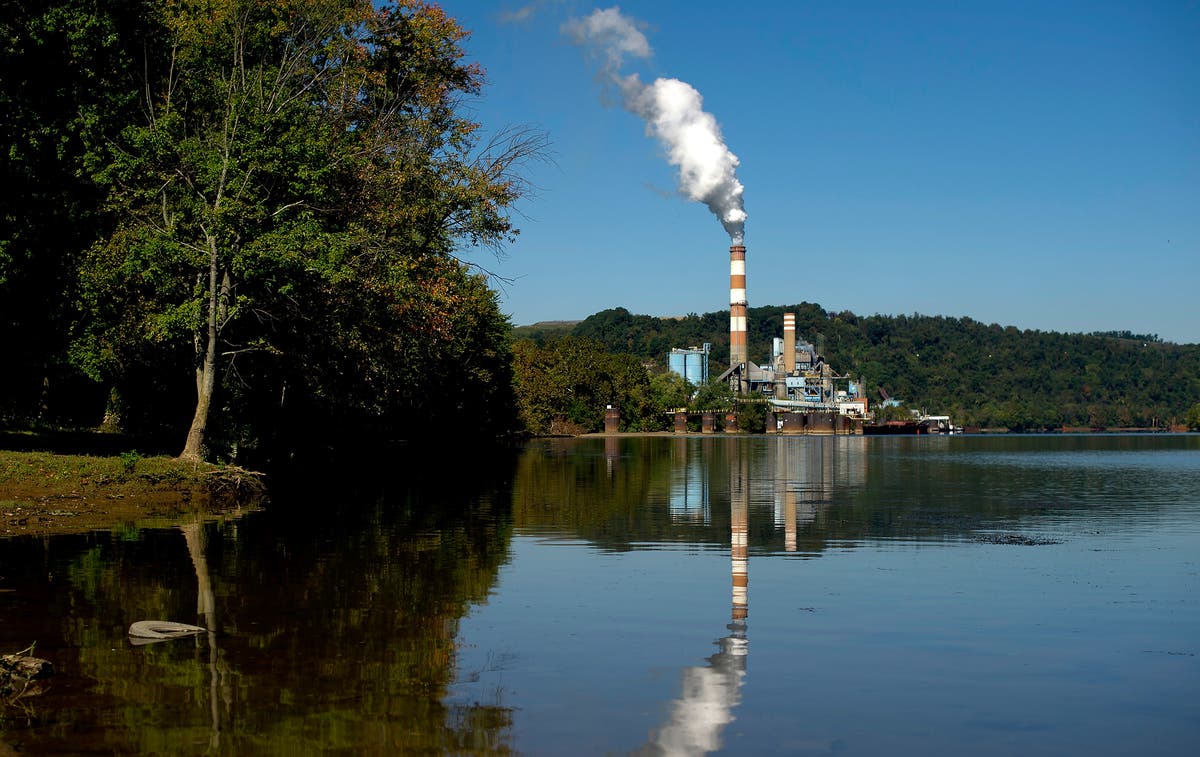
Environmental Protection Agency boss Scott Pruitt declared last week that the “war on coal is over” as the Trump administration announced it would wind down the Obama-era Clean Power Plan, but a new report by the Union of Concerned Scientists says the coal industry has already gone down in defeat with a record number of closures of coal-fired electricity plants.
The percent of U.S. electricity coming from coal dropped to 31 percent in 2016, down from 51 percent in 2008, according to the report. And of the coal-fired plants that remain, about one in four have plans to convert to natural gas, and another 17 percent aren’t making money and could close soon, the report said.
Because the changes to the power grid to cleaner power sources are largely market-driven, Pruitt’s announcement isn’t likely to change the landscape much, the Union of Concerned Scientists, a U.S.-based science advocacy nonprofit organization, said in the report. (For more political stories, subscribe to the White House Patch to receive daily newsletters and breaking news alerts. Find your local Patch here. If you have an iPhone, click here to get the free Patch iPhone app.)
Find out what's happening in White Housefor free with the latest updates from Patch.
Also See: A warmer planet means drought, extreme weather and raging wildfires
Others have noted marginal effects of the Trump administration’s support for the coal industry.
Find out what's happening in White Housefor free with the latest updates from Patch.
Former New York Mayor Mike Bloomberg has said the EPA can repeal the Clean Power Plan “but not the laws of economics.”
“This won’t revive coal or stop the U.S. from reaching our Paris goal,” Bloomberg said of the Paris Climate Accord, which a defiant Trump pulled out of in June.
“The Clean Power Plan follows trends that are already occurring in the electric sector and we are already dramatically reducing carbon pollution as we transition to clean, renewable energy,” Joanne Spalding, chief climate counsel for the Sierra Club, an environmental organization, said when the program was previously blocked in the courts. “Large majorities of Americans support those efforts and the Clean Power Plan.”
But, the new report noted, the retreat from coal presents economic challenges for communities where jobs and the local tax base are dependent upon the health of the coal-mining industry.
Though “hugely beneficial to public health,” the shift from dirty energy to cleaner technologies underscores the need for a “fair and thoughtful transition,” according to the organization, whose policy recommendations include subsidies to offset job and tax-base losses in coal-dependent communities.
Communities affected by the move away from coal include Hazard, Kentucky, where Pruitt last week announced the rollback of the Clean Power Plan, which was designed to lower national levels of carbon emissions and push the country as a whole to depend on cleaner sources of energy. The plan focused on coal-fired power plants, one of the most carbon-intensive fuel sources in America.
The closures of the coal-fired plants significantly reduced harmful emissions, the report said, including:
- 80 percent less sulfur dioxide, a source of acid rain
- 64 percent less nitrogen oxide, a key component in smog
- 34 percent less carbon dioxide, a heat-trapping gas
An increase in natural gas-fired generation from 2008-2016 offset some of the emissions reductions, particularly carbon dioxide, the report said.
The report said cheaper natural gas, which now powers 32 percent of U.S. electricity, is up from 21 percent in 2008. Also, wind and solar energy, which grew to 10 percent in 2016, up from 3 percent in 2008, are cheaper than fossil fuel plants, even without subsidies in place in California, Texas and Midwest states, the report said.
Read the full Union of Concerned Scientists report.
Write a letter to the editor of the White House Patch.
Like us on Facebook.
Follow us on Twitter.
Photo by Jeff Swensen/Getty Images News/Getty Images
Get more local news delivered straight to your inbox. Sign up for free Patch newsletters and alerts.