Politics & Government
Bombs In Your Backyard: 29 Medium, High-Risk DOD Sites In DC, VA
ProPublica identified 40,000 sites across the US polluted by the military, some of which present a risk of exploding bombs and munitions.


WASHINGTON, DC — The District of Columbia has 34 properties or installations currently or formerly owned by the Department of Defense that have at least one hazardous site and four of these installations have at least one high or medium risk hazardous site, according to data released from the DOD that was acquired and published by ProPublica. In Virginia, the state has 105 DOD properties with hazard sites, of which, 25 are high or medium risk sites.
According to ProPublica, which has been documenting toxic pollution left behind by the military across the country, there are more than 40,000 such hazardous sites polluted by U.S. military operations.
Through its reporting, ProPublica found that many of these sites have extensive groundwater and soil pollution or present a risk of exploding bombs and munitions. Some of these sites are part of old facilities that may not be known locally even though a risk of exposure to contaminants may still be present. ProPublica also notes that contamination could affect an area much larger than the site itself.
Find out what's happening in Arlingtonfor free with the latest updates from Patch.
According to ProPublica, past and estimated future costs of hazardous sites cleanup in Maryland is $2.04 billion.
The District of Columbia installations with at least one high or medium risk site are:
Find out what's happening in Arlingtonfor free with the latest updates from Patch.
The Virginia installations with at least one high or medium risk site are:
- Fort Belvoir, Fairfax Couny
- Quantico Marine Corps Base, Prince William County
- Joint Base Langley-Eustis, Hampton
- Dahlgren NSWC, King George
- Yorktown Naval Weapons Station, York
- Little Creek NAB, Virginia Beach
- Oceana NAS, Virginia Beach
- Joint Base Langley-Eustis, Newport News
- Fort Lee, Fort Lee
- DSC Richmond, Richmond
- Fort Monroe, Hampton
- Norfolk NSY, Portsmouth City
- Fort A.P. Hill, Caroline County
- Nansemond Ordnance Depot, Suffolk
- Williamsburg FISC Cheatham Annex, Williamsburg
- St. Julien's Creek Annex, Chesapeake
- Joint Base Myer-Henderson Hall, Arlington
- Richmond IAP Byrd Field, Sandston
- Chopawamsic Troop Training Site, Triangle
- Camp Wallace, James City
- Fort Lee
- Fort Wool, Hampton
- Manassas Air Force Comm. Facility, Independent Hill
- Plum Tree Island Range, Poquoson
- Oyster Point Storage Area, Newport News
ProPublica explains in its methodology that it classified entire installations as high risk even if it contained one high risk site. A site is either assigned a relative risk of high, medium or low or a priority level of 1 through 8. ProPublica simplified that into one risk level and confirmed their assessment with the DOD.
Some sites are marked as “response complete,” meaning the DOD cleanup actions are complete but that doesn’t mean there is no longer a hazard. According to ProPublica, this may mean sites are simply fenced off to the public or the DOD determined no cleanup was required by law.
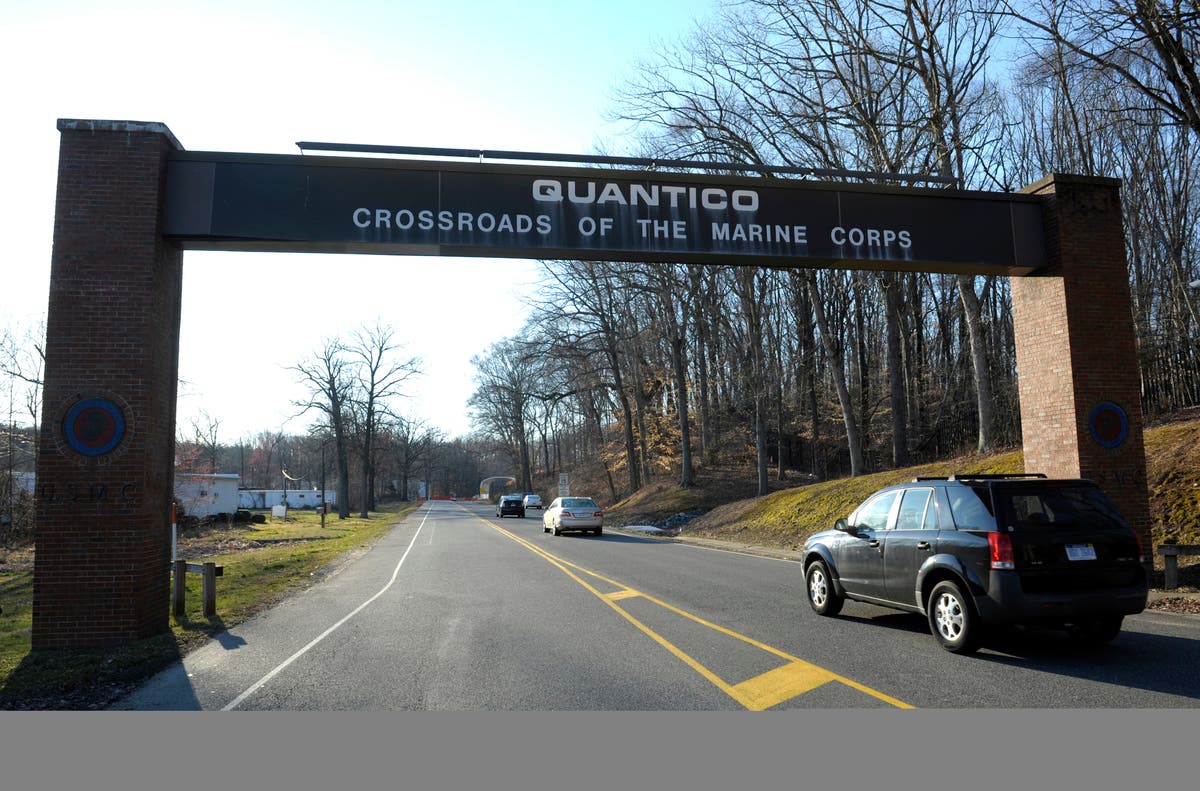
Cars pass under a sign at the entrance to the main gate at Quantico Marine Corps Base in Quantico, Va. (AP Photo/Cliff Owen)
Get more local news delivered straight to your inbox. Sign up for free Patch newsletters and alerts.