Traffic & Transit
Pedestrian Deaths Are Skyrocketing, Insurance Group Finds
A new study released Tuesday says pedestrian deaths have climbed 46 percent since 2009.


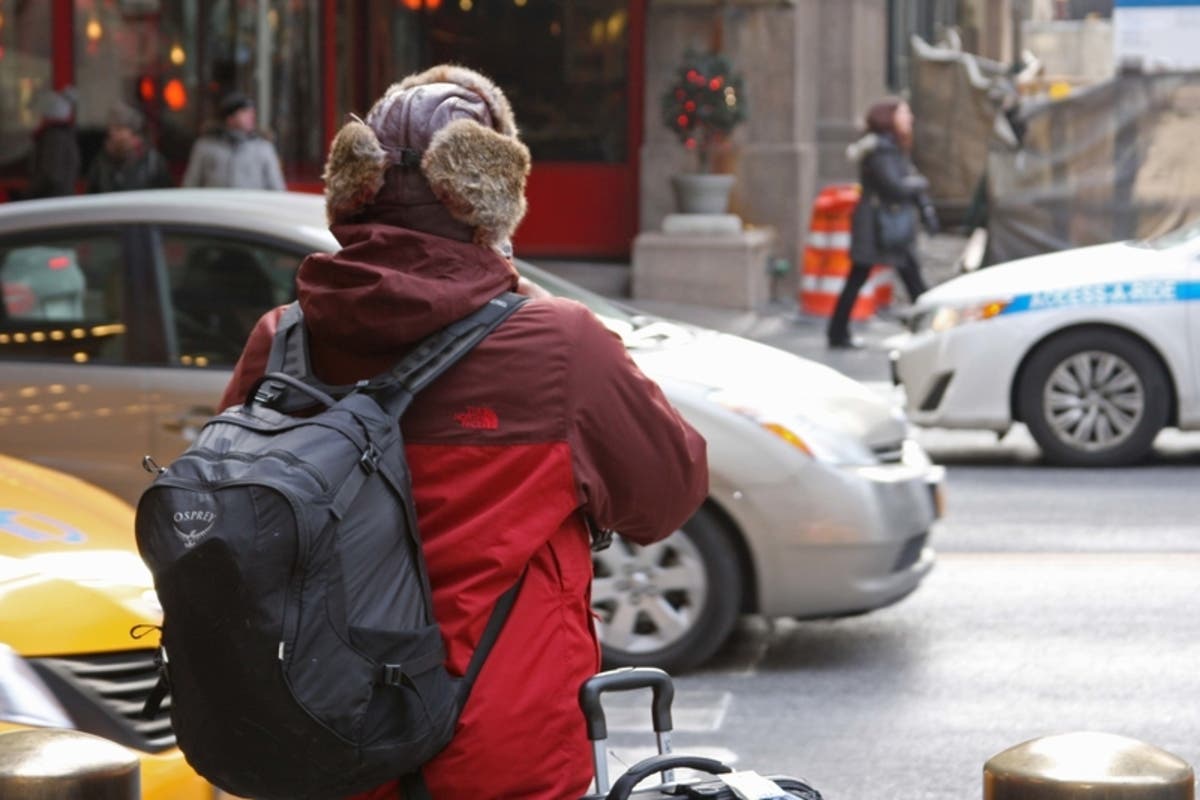
ARLINGTON, VA — Pedestrian crashes are becoming deadlier and more frequent, a new study says. The number of pedestrians killed by automobiles have soared 46 percent since reaching their lowest point in 2009, the Insurance Institute for Highway Safety found.
There were 5,987 pedestrians killed in crashes in 2016, the highest total since 1990. That figure accounted for 16 percent of all crash deaths that year, the group said.
The increase was concentrated in urban and suburban areas, the insurance group said. They tended to happen not at intersections, but rather on arterial roads, which see a high volume of traffic and funnel vehicles toward freeways. The crashes also frequently happened at night and involved SUVs or high-horsepower vehicles.
Find out what's happening in Arlingtonfor free with the latest updates from Patch.
"Understanding where, when and how these additional pedestrian crashes are happening can point the way to solutions," said David Harkey, the group's president. "This analysis tells us that improvements in road design, vehicle design and lighting and speed limit enforcement all have a role to play in addressing the issue."
The study says pedestrian crashes climbed and became more deadly. Deaths per 100 crashes jumped 29 percent from 2010 to 2015.
Find out what's happening in Arlingtonfor free with the latest updates from Patch.
Urban and suburban areas saw a whopping 54 percent increase in pedestrian deaths, the group said. Rural areas saw a 25 percent increase. They also increased 67 percent on arterial roads, 50 percent at nonintersections and 56 percent in the dark.
Pedestrian crashes involved cars most frequently, but deadly single-vehicle crashes involving SUVs skyrocketed 81 percent —more than any other vehicle.
Harkey says it's not surprising that more pedestrians are dying on arteries, which often don't have enough convenient and safe places for people to cross.
"When people are forced to walk long distances to the nearest signalized intersection, they are more likely to choose the riskier option of sprinting across multiple lanes of traffic," he said. "Communities can improve safety by providing more options to safely cross."
Harkey said mid-block crossings need something akin to pedestrian-activated beacons that alert drivers to stop. Painting more crosswalks aren't enough, he said. These beacons often remain dark until a pedestrian presses a button. The beacon then flashes yellow, then turns solid yellow before ultimately activating two solid red lights.
Other possible ways to reduce pedestrian deaths include extending curbs or installing median crossing islands. This would shorten the distance people have to cross or allow them to cross only a couple of lanes at a time.
"Good design should prioritize the safety of all road users," Harkey said. "It's possible to improve streets for pedestrians while still allowing vehicle traffic to get where it needs to go."
The study says lower speed limits and more speed cameras could also help, as well as more street lighting, better headlights and equipping vehicles with front crash prevention systems.
The IIHS, based in central Virginia, is an independent, nonprofit scientific and educational organization. The group aims to reduce deaths, injuries and property damage from automobile crashes.
Click here to read the whole study.
Photo credit: David Allen
Get more local news delivered straight to your inbox. Sign up for free Patch newsletters and alerts.