Politics & Government
VA Tax Cut On Groceries, Personal Hygiene Products Takes Effect Jan. 1, 2023
Virginia is cutting taxes on groceries and certain personal hygiene products from 2.5 percent to 1 percent, starting Jan. 1, 2023.


VIRGINIA — Virginia is cutting taxes on groceries and certain personal hygiene products from 2.5 percent to 1 percent, starting Jan. 1, 2023, as high prices continue to take a bite out of Virginia residents’ budgets.
The tax cut means that consumers will save $1.50 for every $100 spent.
The grocery tax reduction was included in the state budget that Virginia Gov. Glenn Youngkin signed into law in June.
Find out what's happening in Arlingtonfor free with the latest updates from Patch.
During state budget negotiations in the spring, Virginia lawmakers agreed to a partial repeal of the state grocery tax, eliminating the 1.5 percent state portion of the tax but preserving the 1 percent option for local governments.
The tax rate reduction comes as Virginians are continuing to manage with high rates of inflation. Prices for food continued to increase in November in Virginia and across the country, according to the Bureau of Labor Statistics report released Dec. 13.
Find out what's happening in Arlingtonfor free with the latest updates from Patch.
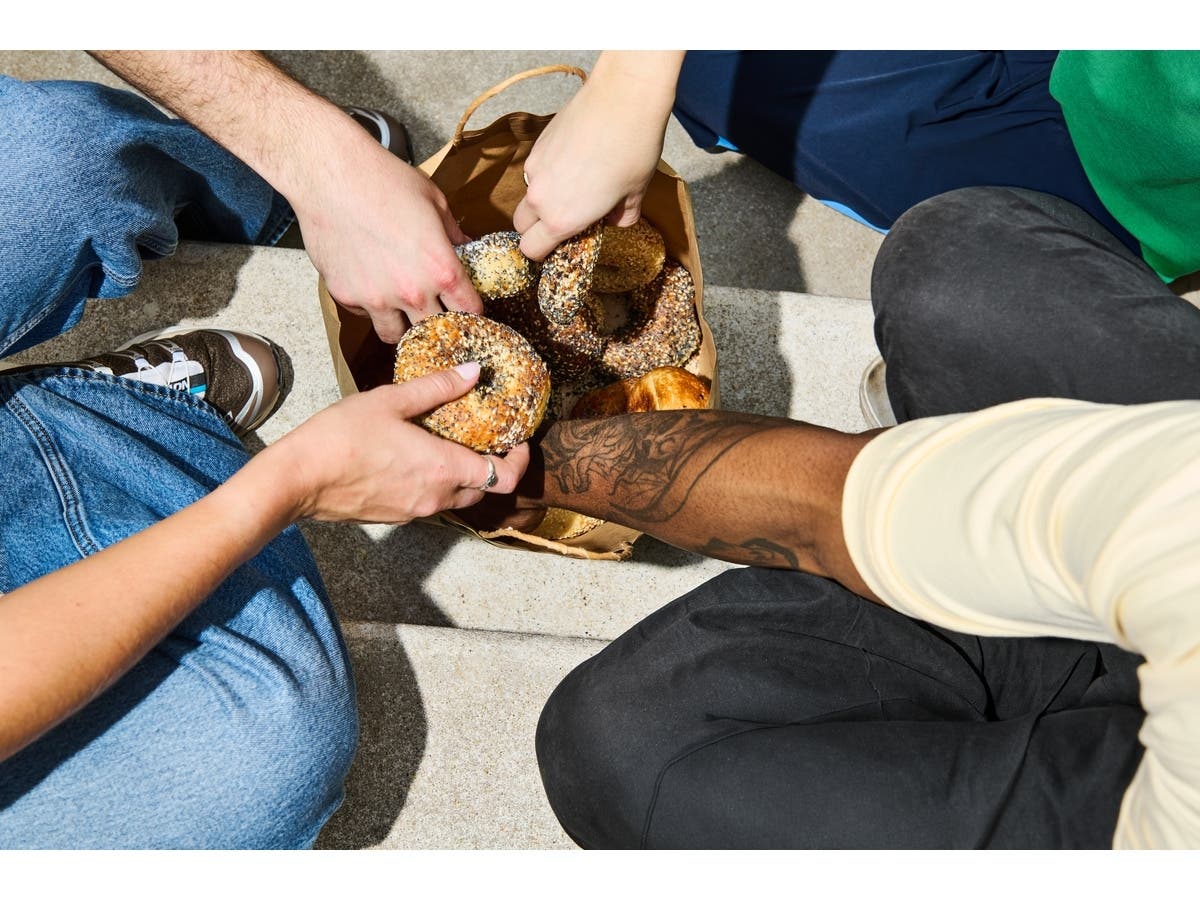
In Northern Virginia, the cost of a dozen large eggs at Wegmans is $4.69, while a gallon of whole milk is selling for $3.49. A boneless celebration ham at Wegmans, weighing over 8 pounds, is going for $47.25 each.
Along with reducing the tax on groceries, lawmakers cut the 1.5 percent state portion of the tax on “personal hygiene products,” which includes menstruation products.
The grocery tax repeal did not go as far as Youngkin had called for — a full repeal of both the state and local portions of the tax, totaling 2.5 percent. Both Democrats and Republicans in the General Assembly agreed to keep the 1 percent tax that goes to localities.
Municipalities breathed a sigh of relief when state lawmakers did not eliminate that 1 percent of the grocery tax.
"Cities and counties across Virginia fund public schools, police, fire, and road maintenance with proceeds from the 1 percent tax on grocery sales," the City of Falls Church said in an email to Patch. "In Falls Church, the grocery tax generates $1.9 million per year for these core services."
Del. Joe McNamara (R-Roanoke) told 8News in Richmond that he will probably introduce a bill in 2023 to remove the remaining grocery tax and reimburse localities for the lost revenue using $250 million in state revenue each year.
But Sen. Scott Surovell (D-Fairfax) said state lawmakers did "enough tinkering with tax cuts in the last session."
"With a recession staring us in the face, we need to stop raiding the General Fund for political reasons," Surovell said told 8News.
Prior to the approval of the grocery tax reduction, 1 percent of the revenue from the state’s 1.5 percent tax rate went toward local school funding, and the remaining 0.5 percent was allocated to the state’s transportation fund.
The approved budget included a provision to replace much of the tax revenue localities would lose for school funding. But there is currently no set plan to replace grocery tax revenue that goes toward the state's transportation fund, which helps pay for road improvements, maintenance and public transit systems.
In the short term, supporters of the repeal said a state budget surplus and other funding available for transportation would make up for revenue losses from the reduction of the grocery tax.
But Del. Danica Roem (D-Prince William) said she opposed eliminating the dedicated funding from the state portion of the grocery tax that goes to pay for filling potholes, lining roads and keeping commuters safe.
The elimination of the transportation revenue will be coming at a time when fatalities are increasing on Virginia's roads and officials are seeking to make roads safer for drivers and pedestrians, she told Patch.
According to the Virginia Department of Taxation, the items that will not qualify for the 1.5 percent reduction in the grocery tax include alcoholic beverages, tobacco, prepared hot foods packaged for immediate consumption on or off premises, and seeds and plants used to grow food for home consumption.
Essential personal hygiene products that qualify for the reduced tax rate include sanitary napkins, sanitary towels, tampons, menstrual sponges, menstrual cloths and pads, menstrual cups, pantyliners, period panties, diapers, disposable undergarments, pads designed to protect undergarments, bedsheets, pads designed to protect bedsheets and mattresses, and incontinence products designed to be inserted in the body.
Get more local news delivered straight to your inbox. Sign up for free Patch newsletters and alerts.