Health & Fitness
The Seasons and Colors of the Church
The changing seasons of the Christian Church provide us with opportunities to celebrate the Christian Faith in worship. The seasons of the year focus on the life and ministry of Jesus Christ.

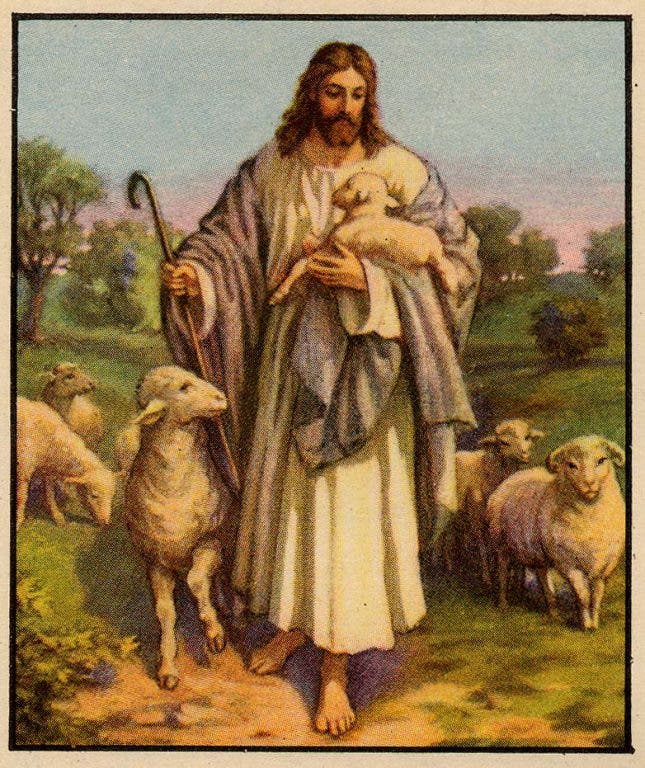
The changing seasons and colors of the Christian Church provide us with repeat opportunities to celebrate the Christian Faith in worship. The Church employs the seasons of the year using specific colors to focus on the life and ministry of Jesus Christ. The sequence of events from Advent to Resurrection Sunday becomes an annual spiritual journey for worshippers. The remainder of the year provides a favorable time to reflect on the purpose of Jesus and His ministry as a light unto the world.
Not all churches celebrate in a similar manner throughout the church year beyond Christmas and Easter. However, the observance of the seasons and colors of the church year has a long history in the life of our Christian Faith.
The Christian calendar is structured around two major centers of worship time: Advent, Christmas, and Epiphany and Lent, Holy Week and Easter, concluding at Pentecost. The remainder of the year following Pentecost is known as Ordinary Time, from the same root as our word "ordinal" and in this sense means "the counted weeks." In the Roman Catholic Church and in some Protestant traditions, these are the common weeks which do not belong to a strong season.
Find out what's happening in Ashburnfor free with the latest updates from Patch.
One approach in tracking the seasons of the church year for worshippers, as well as providing a visual context for worship, is the use of colors of the Church year in the sanctuary. Different colors are associated with different seasons and the changing colors of communion table and pulpit coverings or wall banners provide visual enhancements to support the seasons.
The below listed Church calendar follows the practices most common in the Western church and those most used by Protestant churches and shared by Catholic traditions. These are the major dates of the Christian Church Year for 2010 - 2011, beginning with Advent in 2010.
Find out what's happening in Ashburnfor free with the latest updates from Patch.
The Season of Advent- November 28 – December 24, 2010
First Sunday of Advent: November 28
Second Sunday of Advent: December 5
Third Sunday of Advent: December 12
Fourth Sunday of Advent: December 19
The Season of Christmas - December 25, 2010 – January 5, 2011
Christmas Day: December 25, 2010
First Sunday of Christmas: December 26, 2010
Second Sunday of Christmas: January 2, 2011
Holy Name: January 1, 2008
The Season of Epiphany - January 6 – March 8, 2011
Epiphany: January 6
Baptism of Our Lord: January 9
Transfiguration (Last Sunday in Epiphany): March 6
Shrove Tuesday: March 8
The Season of Lent March 9 – April 23, 2011
Ash Wednesday: March 9
First Sunday in Lent: March 13
Holy Week - April 17 - April 23, 2011
Palm/Passion Sunday: April 17
Maundy Thursday: April 21
Good Friday: April 22
Holy Saturday: April 23
The Season of Easter - April 24 – June 12, 2011
Easter Sunday: April 24
Ascension Day: June 2
Pentecost: June 12
Ordinary Time Season after Pentecost - June 13 – November 26, 2011
All Saints Day: November 1
Christ the King: November 20
The seasons follow the life of Christ, beginning with the preparation for his birth in Advent, the birth of the Christ child at Christmas, the journey of discipleship in Epiphany as the Wise Men follow the star to Bethlehem, the preparation for Jesus' passion and death during Lent and Holy Week, the resurrection of Jesus from the dead at Easter, and his ascension into Heaven. After his ascension, we receive the outpouring of the Holy Spirit at Pentecost and build our relationship with the risen Christ during this season.
The church year begins with the Advent of Our Lord, the four weeks of getting ready for the birth of Jesus in Bethlehem on Christmas Day. Advent is a time of joyful preparation for the wonderful time when the Son of God came to earth to live as a person among the people. The color of Advent is blue.
Christmas is a brief season, beginning with Christmas Day, December 25, and continuing through the Name of Jesus until Epiphany. Christmas is a season of thankfulness for the goodness of God. The purpose of Jesus Christs' birth was to save us from our sins, to reveal the Father to us and lead us to Him and to reveal the Kingdom of God so that we can live according to God's Way. Jesus came to reconcile us to God so that we can have eternal life. "The kingdom of God is not coming with things that can be observed; nor will they say, 'Look, here it is!' or 'There it is!' For in fact, the kingdom of God is among you." (Luke 17: 20-21) The color of Christmas is white.
Epiphany is the conclusion of the Advent and Christmas Season and the Twelve Days of Christmas. Epiphany begins on January 6. The term epiphany means to reveal. In Western churches, it remembers the coming of the wise men bringing gifts to visit the Christ child, who by so doing "reveal" Jesus to the world as Lord and King. Epiphany is a season of worship, as the whole world follows the Wise Men to find and honor Jesus. The color of Epiphany is green.
Lent begins with Ash Wednesday and is a season of repentance, self-examination and quiet contemplation of the mysteries of God. Lent originated in the very earliest days of the Church as a preparatory time for Easter, when the faithful rededicated themselves and when converts were instructed in the faith and prepared for baptism. By observing the forty days of Lent, the individual Christian imitates Jesus’ withdrawal into the wilderness for forty days. Christians prepare for the forgiveness of their sins and fleshy lives with the death of Jesus on the cross on Good Friday as they follow his footsteps through Holy Week. The color of Lent is purple.
The Season of Easter begins with Easter Sunday. It is a glorious celebration of Jesus' resurrection from the dead. It is a season of praise, as Christians glorify the risen Christ. Christians believe, according to Scripture, that Jesus was raised from the dead, three days after his death on the cross. As part of the Easter season, the death of Jesus Christ by Crucification commemorated on Good Friday, always the Friday just before Easter. Through his death, burial, and resurrection, Jesus paid the penalty for sin, thus gifting for all who believe in him, eternal life in Christ Jesus. The color of Easter is white.
Pentecost is the great festival that marks the birth of the Christian Church by the power of the Holy Spirit. The Season of Pentecost begins with the Feast of the Pentecost, fifty days after Easter. Because Pentecost celebrates the outpouring of the Holy Spirit from heaven on human flesh, Pentecost is a season of evangelism and outreach, as Christians become empowered to proclaim the gospel of the risen Christ to everyone on earth. The color of Pentecost Sunday can be red with the season of Pentecost being green.
The Season of Ordinary Time begins for some churches on Monday after the Sunday following Jan. 6 and continues until the day before Ash Wednesday. For many churches Ordinary Time begins on the Monday after Pentecost and ends on the Saturday before the first Sunday of Advent. The last Sunday may be celebrated as the Solemnity of Christ the King. The overall purpose of the season is to elaborate the themes of salvation history. In Ordinary Time, the Church celebrates the mystery of Christ in all its aspects. The readings during the liturgies of Ordinary Time help to instruct us on how to live out our Christian faith in our daily lives. The color of Ordinary Time is green.
We are currently in the Easter season and heading for Pentecost Sunday on June 12. It was the Lord Jesus Christ at the time of his ascension who commanded His disciples to tarry and wait for the Holy Spirit in order to receive power. The result was Pentecost and the birth of the Church. A study of the Scriptures shows that this is one of many scores of commands and examples for believers in Christ to pray that His Father’s Will be done on earth as it is in Heaven. Almighty God does in fact desire our communion with Him through prayer and actually requires prayer of His people at all levels. We understand that praying releases the Will of God through His body the Church and through individual prayer.