Neighbor News
Tobacco Control Movement unanimous in opposition to Inexto
Smoking is still a massive health problem and tobacco companies are from dead in the water as some might presume.
“An industry operated system for tracking is not an option, in conflict with 3 provisions of the WHO protocol,” Luk Joossens tweeted last October in reference to the track-and-trace software program known as Codentify. Joossens is no standard activist. As the Advocacy Officer for Tobacco Control at the Association of European Cancer Leagues (ECL), Joossens is using his 140 characters to focus on only the most critical issues in EU tobacco policy.
Track-and-trace (T&T, or TAT) is a hot issue for the EU Commission and the rest of the bloc. TAT is mandated by new EU policy and recommended by the World Health Organization (WHO). The WHO, however, has been explicit in its opposition to Codentify as the technology of choice for EU TAT. The software was financed, developed, and up until mid-2016 owned by a consortium of Big Tobacco companies that included Philip Morris International (PMI).
Smoke Continues to Plague European Health
Find out what's happening in Ashburnfor free with the latest updates from Patch.
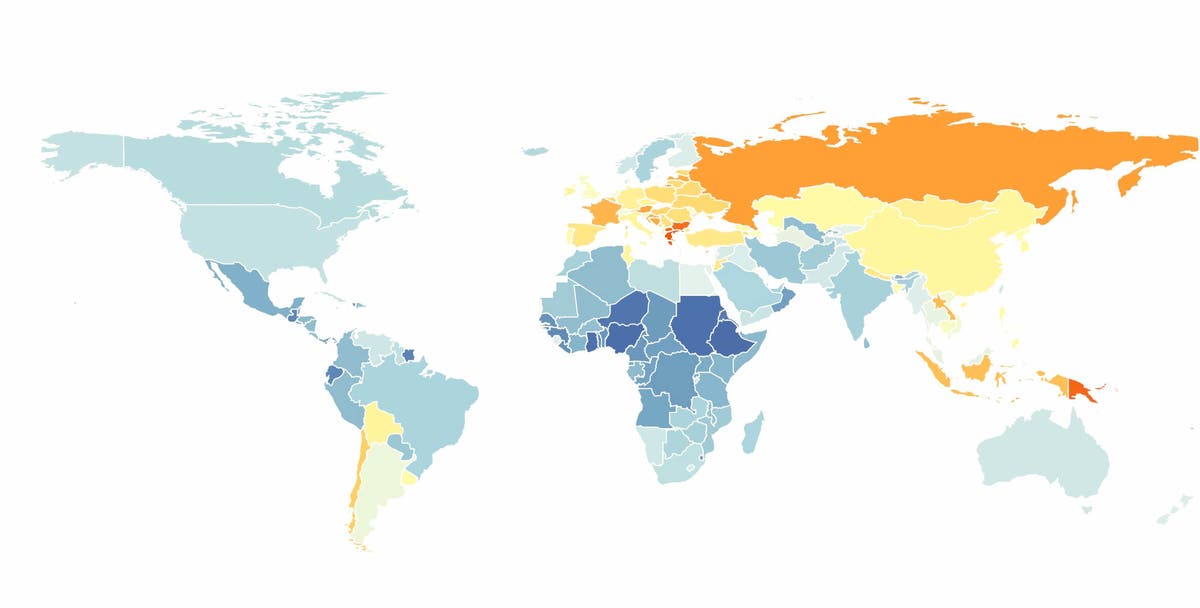
Smoking is still a massive health problem and tobacco companies are from dead in the water as some might presume. A recent study in the journal Lancet Public Health estimates a global reduction in smoking of 2.5 percent since 2005, but that constitutes a far slower pace than demanded by the WHO’s Framework Convention on Tobacco Control (FCTC). The FCTC is an international treaty signed by 180 countries plus the EU, which has obligated its signatories to do what it can to reach targets by certain benchmark years.
With the arrival of new EU regulations aimed at blocking illegal cigarette smuggling and avoidance of tobacco taxes, the Codentify program and its patents were sold to a Swiss company called Inexto, but that entity is accused of being a shell for Big Tobacco. That would make Codentify far from the independent technology answer needed to track cigarette sales and prevent smuggling or tax evasion across Europe.
Find out what's happening in Ashburnfor free with the latest updates from Patch.
“@GA4TJ are you familiar with #Codentify and @inexto2 and how #BigTobacco plans to use them to cheat on #EU taxes?” Oscar Larsson recently tweeted to NGO Global Alliance for Tax Justice. Larsson is the operator of the blog “Why It’s Bad.” (https://whyitisbad.wordpress.com/) His blog and primary activism revolve around combatting Big Tobacco in Europe. Over the past 12 months, blocking the implementation of Inexto – and by extension Codentify — has become his cause celebre.
He has written about the company’s rebranding efforts for the software and looked for connections between political and corporate entities with an interest in ignoring the WHO’s recommendation, determined to prevent a Big Tobacco win to implement a piece of software they can manipulate through the Swiss holding company.
“The World Health Organization’s (WHO) Framework Convention on Tobacco Control (FCTC) has explicitly stated that Codentify does not meet their standard for a solid track and trace solution for the industry,” reiterates Larsson in a post that accuses consulting firm PwC, which recommended to the EU to implement an industry-involved regime for TAT, of having ulterior motives and conflicts of interest.
Consensus Forming
With the World Health Organization so outspoken against adopting Codentify as the answer to Europe’s woes, organizations like Joossens’ have come out hard against it as well. The ECL, as a union of other cancer control organizations from 23 European countries, is uncompromising in its goal of achieving a “Europe Free of Cancers.”
Writing alongside Anna Gilmore of the University of Bath’s tobacco control research group, Joossens has been unrelenting about the software’s ineffectiveness.
“If a code is used twice, the Codentify system cannot alone determine which of the two products with this code is genuine or counterfeit,” Joossens and Gilmore wrote in 2013 (http://tobaccocontrol.bmj.com/content/early/2013/03/11/tobaccocontrol-2012-050796). Predicting attempts by Big Tobacco to mask industry players as unbiased third parties who might run a TAT system in the future, Joossens is uncompromising in saying what he thinks needs to be done.
“Only technology companies selected through a governmental call for tender should be in charge of the markings and the data monitoring.”