Health & Fitness
An Update on Lyme Disease in Fairfax County
Supervisor Herrity discusses the four poster deer bait station pilot that he pushed for to combat Lyme disease in Fairfax County.
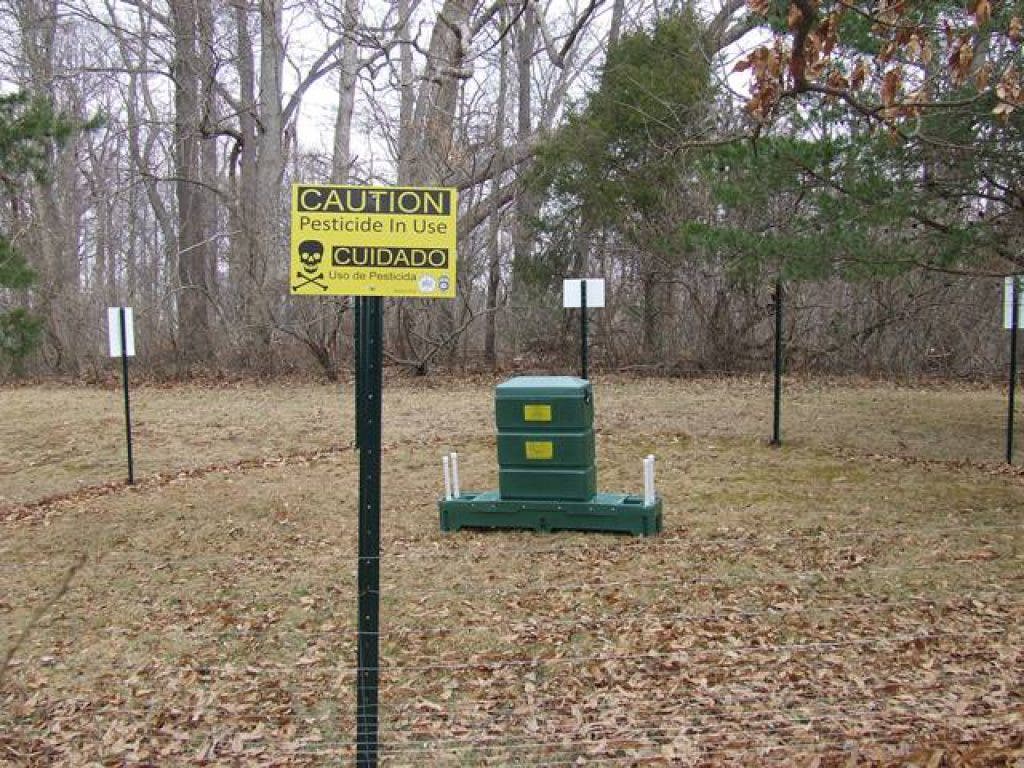
A few weeks ago I had the opportunity to visit one of twenty 4-Poster bait stations deployed throughout the County that I have been fighting for for the last two years. These stations are designed to combat Lyme disease by transmitting an insecticide to deer. These stations are a part of a three year long program that the County is piloting. While there is not yet any available preliminary data from our particular program, other programs identical to this have been done across the nation. An article in the New York Times discusses one such program and points out that a more than 90% reduction in the local tick population was seen after the 4-Poster stations were deployed for three years. It is important to note that the insecticide, which is commonly used in head lice shampoos, does not permeate the hide of the deer and does not impact the meat. While scientists in New York did note that there are many other factors that contribute to the spread of Lyme disease, a dramatic reduction in the number of ticks should cause a drop in the number of Lyme disease cases.
Here in Virginia, thanks to the efforts of Congressman Wolf and Governor McDonnell there has been an increase in awareness of Lyme disease. The State Health Commissioner released a report recently which advised health professionals to be on the lookout for Lyme disease symptoms. The Commissioner noted that early treatment of possible Lyme disease cases can lead to a quick recovery. The Commissioner also cautioned that early test results could erroneously indicate that the person tested does not have Lyme disease. Early detection and treatment is the best defense against contracting this disease. As always, continue to check yourself for ticks after outdoor activities and if you show symptoms seek medical attention.
Lyme Disease is an issue that matters to me and one that I am helping to raise awareness about, please share the following facts and tips from the county’s Health Department with friends and family, or visit their website.
Find out what's happening in Burkefor free with the latest updates from Patch.
Tick and Lyme Disease Facts
- Lyme disease is spread through the bite of an infected blacklegged tick. Only the blacklegged, or deer tick, transmits the bacteria that causes Lyme disease. The Health Department provides a free tick identification service.
Protect Yourself & Your Family
Find out what's happening in Burkefor free with the latest updates from Patch.
- Avoid direct contact with ticks. Avoid wooded and bushy areas with high grass and leaf litter and walk in the center of trails. Learn how to maintain a tick-free yard.
- Use a repellent containing DEET. Repellents with DEET can be applied to exposed skin to help repel ticks. Follow the label instructions.
- Wear long, loose-fitting, light-colored clothing. Wear long-sleeved shirts and long pants. Tuck your pants into your socks and your shirt into your pants so ticks don't have easy access to your skin. It's easier to see ticks when they are crawling on light-colored clothes.
- Use permethrin on clothing. Permethrin kills ticks and there are formulations to treat your clothes sold at sporting goods stores. Follow the instructions on the label.
- Check for ticks. While outside, take breaks to check yourself for ticks. Bathe or shower as soon as possible after coming indoors (preferably within two hours) to wash off and more easily find ticks that are crawling on you. Do a thorough check at the end of the day; use a mirror or have someone help you check the hard-to-see places on your body.
- Promptly remove any attached ticks. Don’t panic if you find an attached tick. Learn how to remove ticks properly.
- Examine gear and pets. Ticks can ride into the home on clothing and pets, then attach to a person later, so carefully examine animals, coats, and backpacks.
Symptoms of Lyme Disease
It’s important to know the symptoms of Lyme disease so you can seek early treatment when necessary. Symptoms include, but are not limited to:
- A bull’s-eye rash. (Not every person infected with the Lyme disease bacteria gets this rash.)
- Fever.
- Headache.
- Achy muscles and joints.
- Fatigue
If you think you have Lyme disease or are concerned that you may have contracted a tick-borne illness, consult your physician as soon as possible. Another note of caution, Lyme disease tests are only accurate about 50% of the time.
Pat Herrity
Springfield District Supervisor
703-451-8873