Health & Fitness
Different Forms of Dementia
This post discusses the different forms of dementia, what a good dementia workup entails and the importance of getting a specific diagnosis.
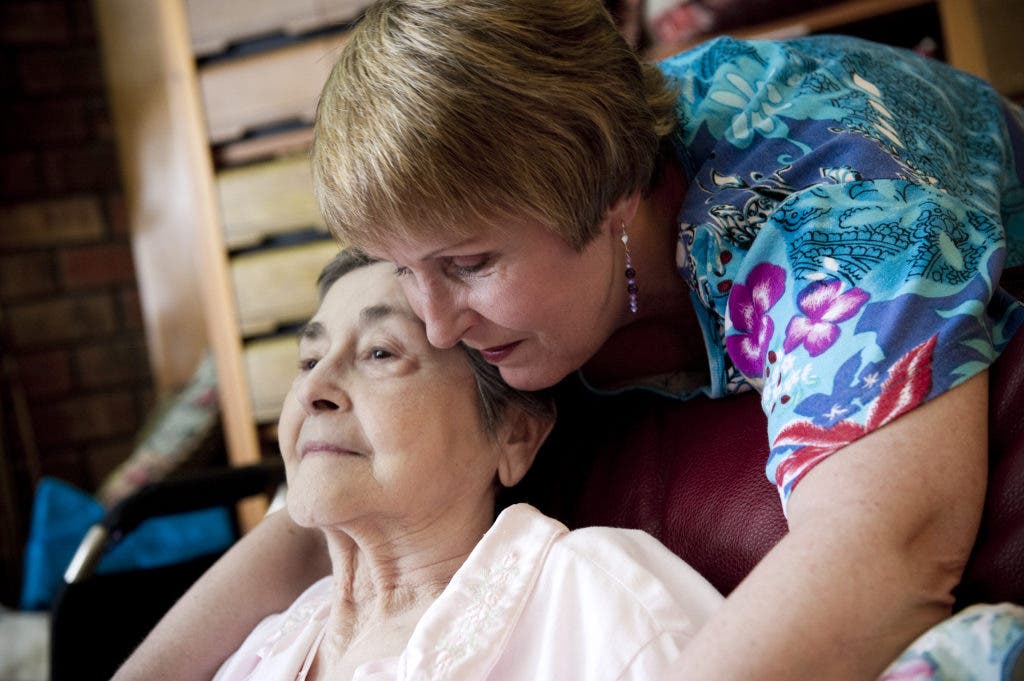
I thought it might be helpful to clarify the difference between dementia and Alzheimer’s disease since those two terms are used the most to describe confused elderly.
Dementia is catchall term for a set of symptoms which include recent memory loss (declining back in time), confusion, word loss, forgetfulness, difficulty performing familiar tasks, changes in personality, mood swings (could escalate to anger and combativeness), impaired judgement and possibly delusions and hallucinations.
There are several illnesses that can be classified as dementia. They include: Alzheimer’s disease, vascular dementia, frontotemporal dementia, lewey body dementia, Huntington’s disease, dementia associated with parkinson’s disease, and neurosyphllis dementia. Brain injuries can also lead to dementia and there are also some other rare forms such as Creutzfeldt-Jakob disease (mad cow disease). These are true dementias and currently while there may be some treatments that help a little, there is no cure. These diseases cause brain cell damage and death which increases over time.
Find out what's happening in Burkefor free with the latest updates from Patch.
There are also other illnesses which can cause dementia, many of which can be helped and slowed or halted by treatment if caught in time. These include normal pressure hydrocephalus, the possible toxic side effects of medications, treatable brain tumors, subdural hematomas, B12 deficiency, and hypothyroidism. Hypoglycemia can also cause a temporary dementia while the blood sugar is low.
It is extremely important to get a full dementia workup for the person experiencing signs of dementia. A geriatrician who treats dementia, a geriatric psychiatrist or a geriatric neurologist familiar with dementia would be the best physicians to do this.
Find out what's happening in Burkefor free with the latest updates from Patch.
A dementia workup usually includes: a complete history and physical and review of all medications (including over-the-counter meds.), urine and blood tests, an interview with family members about symptoms and behaviors, a mental status exam, possible spinal tap and cat scan to rule out strokes, tumors and brain infections. Once there is a diagnosis of a specific cause for dementia, treatment may begin.
It is important for families to get a specific diagnosis to determine what type of care their LO will require and to help them plan for the future. Most people with dementia will need years of care and families should clearly understand the impact a dementia diagnosis will have not only for the person themselves, but for the family as well.
Next post – medications available to treat Alzheimer’s and vascular dementia and why a person may be diagnosed with more than one dementia at a time.
Stephanie Zeman MSN RN
Kissesforelizabeth.com