Health & Fitness
When Professional Skills Help Protect Young Lives
Eileen Foxwell's background as a special education teacher has made her a strong advocate for abused and neglected children with learning issues.
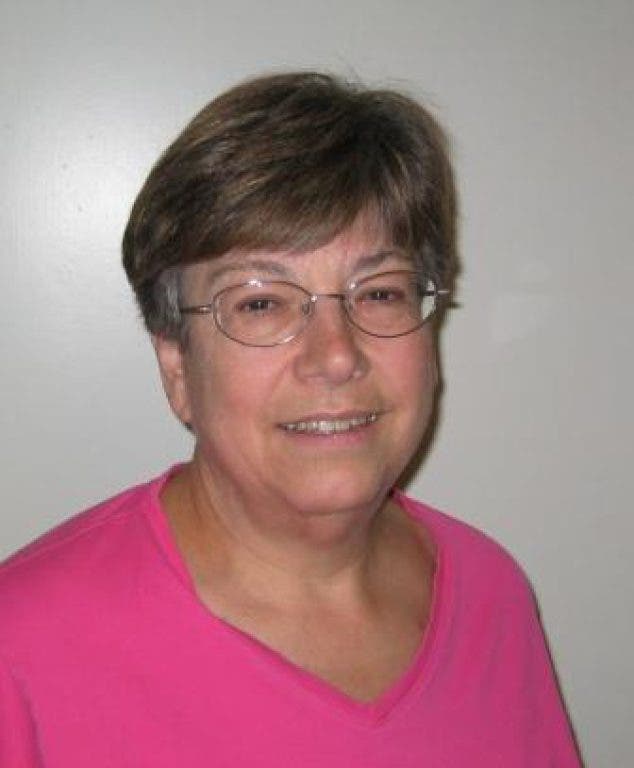
Many retirees are drawn to CASA volunteering as a way to use their professional skills in a volunteer capacity. Eileen Foxwell, a retired Fairfax County special education teacher, has spent the past three-and-a-half years advocating for abused and neglected children with learning issues. In this Q & A, Eileen describes just how her experience as an educator has helped improve the lives of the children she serves.
How I learned about CASA
Soon after I retired in June 2008, I became very ill for an extended period of time. During this time, I saw a “Dr. Phil” show, where he shared that he and his wife were volunteer advocates for abused and neglected children through an organization called CASA. After speaking up for children’s educational needs in the school system for almost 15 years, I was drawn to the notion of continuing my advocacy for, what appeared to me, children who needed a strong and caring voice. I researched CASA and decided that when I became healthy again, this was going to be one of my first priorities. I entered CASA training in May 2009, after recovering from surgery.
Memorable CASA moment:
On my first case, I advocated for two brothers, one of whom was receiving special education services for anger and attention issues. Four months after the case closed, their grandmother called me to let me know how well both boys were doing and that the child receiving special education was improving noticeably in a class-based setting that had been arranged through his IEP, prior to my exiting the case. She also thanked me for visiting her son (the boys’ father) while he was incarcerated during the case, saying that it meant so much to him to not be forgotten.
One example of how your advocacy made a difference on a case:
On my next case, I served a boy with multiple disabilities, including autism and vision impairment. I was grateful for my experience in special education, which assisted in my interaction with him. My background helped me to advocate for expanded orientation and mobility services for this young man, and to propose communication strategies to help him live as happily and functionally as possible.
What means the most to you about being a CASA volunteer?
The most important thing to me about being a CASA volunteer is advocating for children, especially those with special needs, because they truly need a strong, unrelenting voice in order to meet their need for a safe and permanent home, coupled with an effective and compassionate effort to address their emotional and educational needs.
Are you retired and looking for a way to use your professional skills to benefit others? Attend Fairfax CASA's Oct. 20 information session and learn more about this gratifying form of volunteering.