Community Corner
The Dangers of Computers in Kids' Rooms
The simplest way to keep kids safe online is keeping the computer in sight.
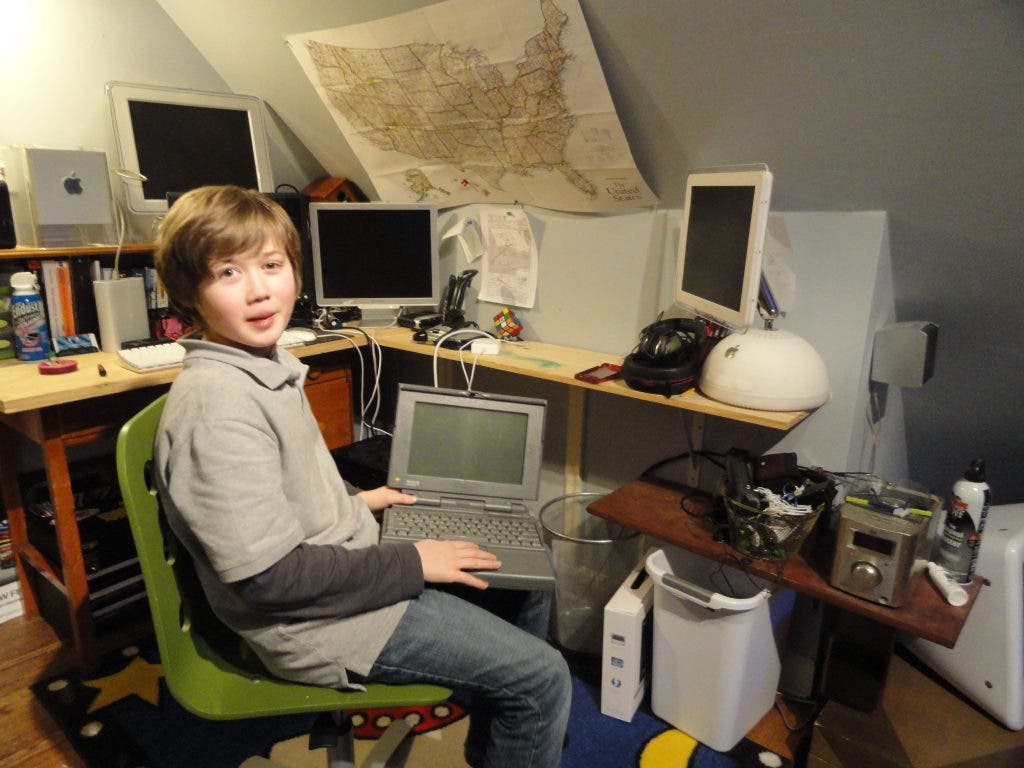
We've all read the news about cyber bullying, child abusers seeking out unsophisticated minors on social media and how easy it can be to access age-inappropriate material. Hopefully, parents have talked to their children about these issues.
Parent teacher associations and school assemblies share information on the dangers lurking online and how to shield, track or record your child’s online habits. An entire industry has been built on selling parents products to protect kids from the world of threats on the World Wide Web, but arguably the one thing that all parents should do is to ensure that computers don't end up in their child’s room.
Whether it’s the family computer or a teen's own laptop, keeping the computer out in the open lets your children know that their computer use is visible to others. We call it the “sunshine rule.” And remember, your kids’ other gadgets are often minicomputers. Phones, smartphones, tablets or an iPod Touch usually can connect to the Internet.
My older teens know that my husband and I can see or read anything they do online. Over the years, we have loosened up a bit on how much we pay attention to their online activities. When they were very young, computer time was restricted and supervised. As they entered their late elementary school years, we allowed them to create some online accounts, but only if we had their passwords and other log-in information. When they were in their middle school years, we allowed them to expand their online territories to include Xbox accounts and cell phones. High school meant paying more attention to the amount of time they spent online and restricting late-night access to phones and computers.
Of course, your rules will depend on you and your children. We ran into bumps and negotiations. But the single overriding rule that we had to have access to their devices and our home network helped keep us all on the relative up and up. We did detect some bullying and other problems, and our kids appreciated our help to address those incidents. And never doubt the power of a sibling snitch to help provide crucial intelligence on violations. Often the eyes over the shoulder were those of a little sibling.
The FBI has a great informational page about keeping your kids safe as they surf the Internet. Take the time to notice what your kids are doing online. It is a great way to connect to what is important to them—and it can be entertaining. You might discover that you share similar tastes in humor or music, or more likely not, but at least you will know a bit more about how they view the world.