Health & Fitness
Feast After Famine — Worms or: Adventures in Urban Gardening
At a farm in Charles County, Md., our family learned about worm composting and honeybees.


I have a new fixture on my kitchen countertop: a worm composter. A small black bucket, it's filled with rocks and straw, dead leaves, decomposing kitchen scraps and worms.
As one friend said when I shared the news, "Eww."
It's not, though. I mean, I'm a big fan of worms anyway. I've loved them since I was little and my father took us searching for them in the woods with flashlights before the light came up on a camping trip.
Find out what's happening in Del Rayfor free with the latest updates from Patch.
The kids dig them too. Last spring, when we pulled a tarp from the gravel driveway that we put down for a mulch delivery, they went nuts at the discovery of hundreds of giant earthworms crawling in clumps along the rocks.
So, when a friend asked if we wanted to join her family for a worm seminar at a farm in Charles County, Md., I said 'yes' straight away. We made the easy 45-minute drive to the farm last Saturday and found more than worms.
Find out what's happening in Del Rayfor free with the latest updates from Patch.
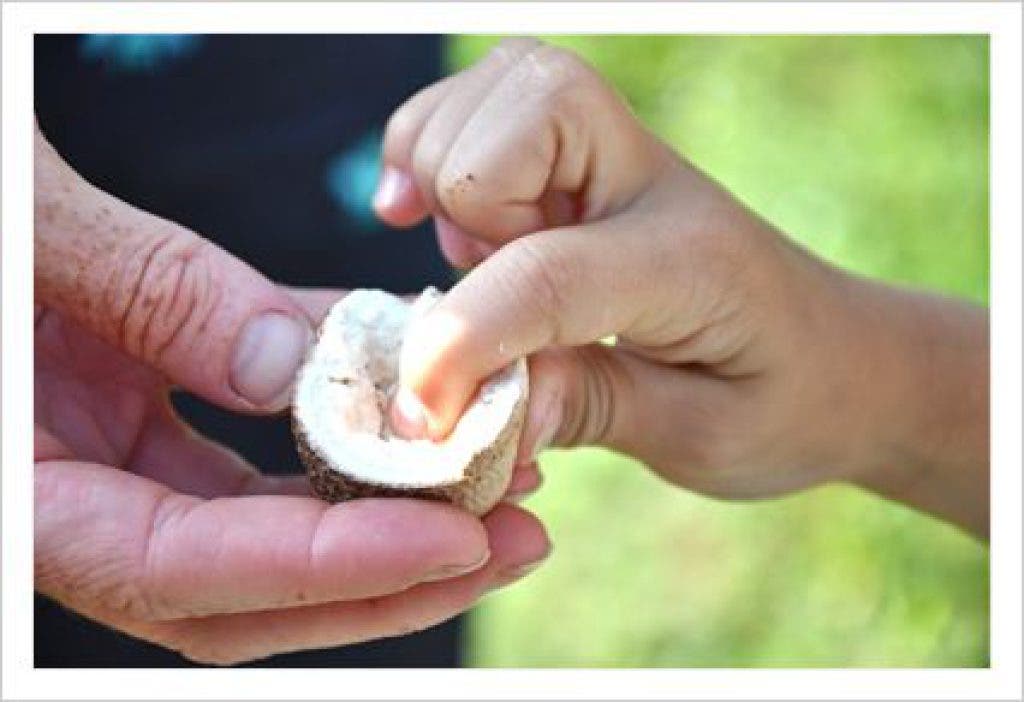
They keep honeybee hives (and offer a hiveshare program I think we're going to join), and they know their wild mushrooms. We came home with armfuls of puffball mushrooms the kids found growing in a giant fairy ring.
Each of the kids got to play with a plate full of worms and dirt while we learned about worm castings and compost tea, neither of which I had a clue about before the visit.
I didn't expect to bring my own composting bin home, but it looked easy and fun and the kids are certainly intrigued by it all. So, the goal for my black bin of red wigglers is to feed them every few days with kitchen scraps—think coffee grounds, fruit and vegetable peels, tea bags—and wait as they eat through the trash and leave castings that I can use to fertilize seedlings and plants.
There's a lever at the bottom of the pail to drain the excess liquid or "tea," which apparently is like miracle food for house plants or, say, my grandmother's rose.
It should be no surprise that the greatest discovery for my kids, the lesson they'll likely carry through life now, was how to discern the front of the worm from the back and how to squeeze the rear so that it squirts "poo."
My favorite takeaway? The admonition in the brochure they sent us home with: "Close the lid tightly or the worms roam at night!"
Can you imagine?