Community Corner
Father's Death Motivates Alexandria Native To Seek Brain Cancer Cure
Lisa Castro's father died four days after being diagnosed with Glioblastoma. She wants a cure so other families don't go through the same.


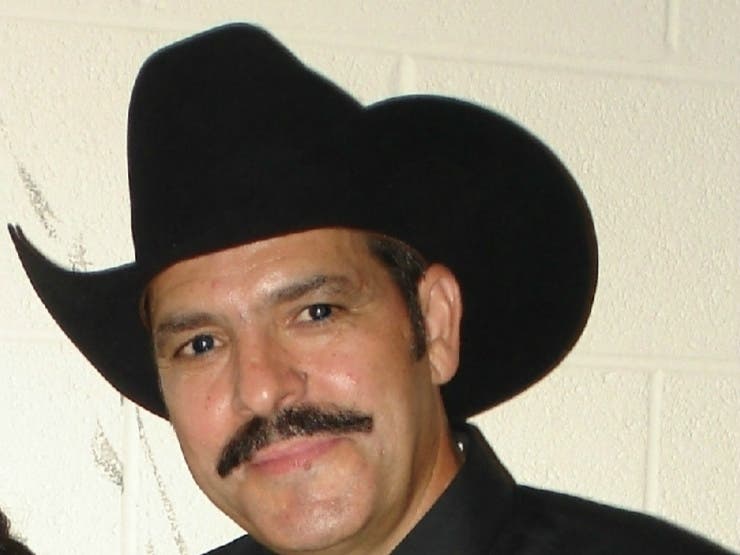
ALEXANDRIA, VA — In March 2006, Urbano Castro Sr. started experiencing strong headaches and migraines. His doctor visits were usually limited to annual physicals, but the pain from headaches prompted him to visit his doctor. From that first visit, he was only sent home with prescription-strength Ibuprofen.
Then his pain got worse, and he started experiencing seizures. In mid-April 2006, he began having visits to the hospital and started undergoing testing. But even with testing, they weren't able to find a tumor right away.
He was eventually diagnosed with Glioblastoma, which is considered the most aggressive and treatment-resistant form of brain cancer. It is also the most common malignant tumor, making up 45 percent of all brain cancers and 49.1 percent of all malignant brain tumors, according to the National Brain Tumor Society. But the diagnosis was too late, as Urbano Castro Sr. died on June 29, 2006, four days after his diagnosis.
Find out what's happening in Del Rayfor free with the latest updates from Patch.
Years later, Urbano's daughter Lisa Castro, an Alexandria native, continues to be an advocate for brain cancer research and a cure through the National Brain Tumor Society. Every year, Castro and her family participate in the organization's annaul Race for Hope fundraiser in memory of her father. This year, Castro also spoke to a group of lawmakers, researchers, and cancer survivors in D.C. for Glioblastoma Awareness Day on July 20.
Castro told Patch there should be more progress on Glioblastoma research since it resists treatment and is a common form of brain cancer. She gives credit to the medical community for advances on treatments but believes funding is needed from lawmakers to advance research enough to improve survival rates.
Find out what's happening in Del Rayfor free with the latest updates from Patch.
"Given that it's so prevalent, why isn't there more research, why isn't there more funding?" she told Patch.
Castro also points to growing participation in the National Brain Tumor Society's Race for Hope, which indicates more families are being affected by brain cancer.
"The more people that are there, the more people are dying [from brain cancer]," Castro said. "It's just so alarming and so upsetting."
Castro and her family make it an annual occasion to join the Race for Hope, which falls around her father's birthday. She remembers her father as a special part of her family who was part of many big family events.
"My dad was the center of our family," Castro said. "He immigrated here from Mexico, and he wanted to support this family and give everyone a better life."
Castro's involvement with the National Brain Tumor Society spurs from her desire to help families affected by brain cancer. From her own experience, she advises families to advocate for themselves and their loved ones at the doctor if they feel something is off. Castro wishes she could have been a stronger advocate for her father during that initial doctor's visit when he was just given Ibuprofen.
Castro says she tries not to think about the "what ifs" in the scenario that her father's diagnosis was known months earlier. But she still wonders if he could've had more time to start radiation or chemotherapy.
Speaking about her father's death 16 years later, Castro said she is "still processing what happened." Castro's remarks on Glioblastoma Awareness Day focused on the need for research funding and awareness for this type of cancer. She also highlighted how every family's experiences with Glioblastoma may differ. In her father's case, she believes standard detection methods failed.
"It's completely unacceptable that 16 years later, there haven't been substantial advances," she said. "People shouldn't have to find out about this when it's too late."
Get more local news delivered straight to your inbox. Sign up for free Patch newsletters and alerts.