Health & Fitness
Dog Training: 5 Steps to a Reliable Recall
If your dog appears to be "stubborn" or "hard-headed", try taking these first 5 steps towards developing a reliable recall indoors first. By Caryn Self-Sullivan, PhD, KPA CTP
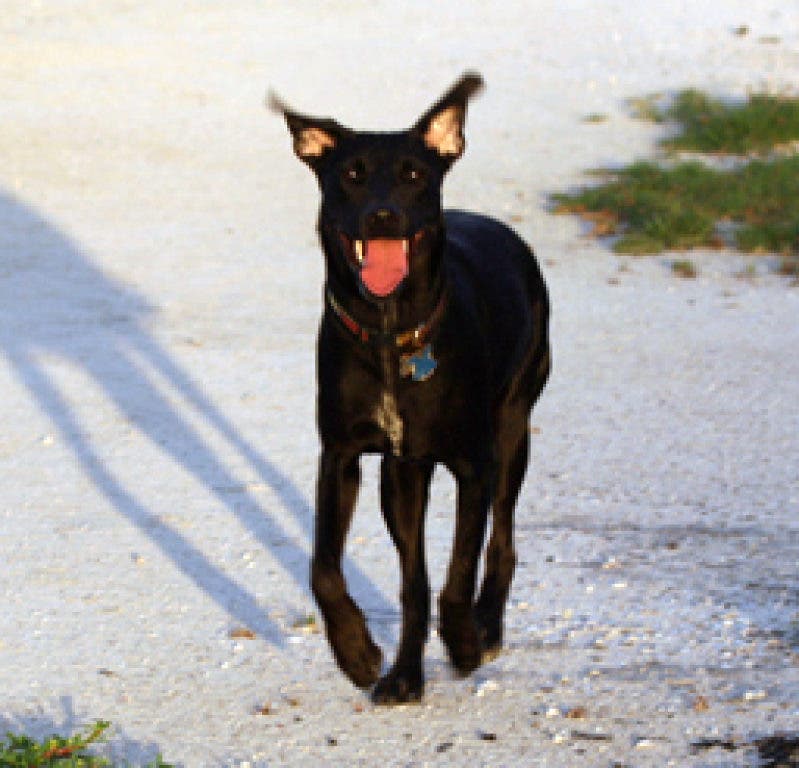
Does your dog come when called?
The answer I hear most often is "sometimes, but at other times she's just stubborn – she looks the other way and pretends that she doesn’t hear me!"
In fact, when I ask my clients what they want to change about their dog's behavior, the most frequent reply is "I want Rover to come when I call him!"
Find out what's happening in Fredericksburgfor free with the latest updates from Patch.
In the training world this behavior is referred to as the RELIABLE RECALL.
Training Tip: It’s always important to remember that your dog WANTS to please you! This behavioral trait is genetically programmed in all modern domestic dogs (Canis lupus familiaris) due to a 15,000 year old reciprocal relationship between humans and dogs.
Find out what's happening in Fredericksburgfor free with the latest updates from Patch.
The Problem: Your dog hesitates or ignores you when you call her. Why? It’s probably due to one of three reasons:
- She doesn’t understand what you want her to do when she hears the cue.
- He is distracted by sights and smells in her environment.
- The cue has become poisoned.
If you have ever chased your dog when he didn’t come, he may think your cue means we are going to play a game! If you tend to repeat the cue for “come” over and over again, your dog may have learned that it’s OK to hesitate because if she doesn’t come right away, you’ll call her again, and again, and again. If you always bring your dog inside or put him on a leash when he comes, he may perceive this as punishment for coming when called. If you have never trained your recall with distractions, the sights and sounds in her environment may overwhelm your dog. If you have ever grabbed your dog’s collar or yelled at him because he didn’t come when called, you may have poisoned your cue. But, it’s important to remember that the behavior is not poisoned, just the cue!
The Solution: If your dog appears to be "stubborn" or "hard-headed", try taking these first 5 steps towards developing a reliable recall indoors first, then outdoors:
- Train/re-train the recall indoors with a new cue – pick something unique.
- Use delicious high value treats such as bits of hotdog or cheese as rewards.
- Practice the recall indoors 30-50 times a day in sets of 10.
- Always reward success and just ignore any failures.
- When you have 100% reliability indoors, move outdoors to a quiet area and train on a 40’ training lead.
Beginning on June 1st, I'll share step-by-step instructions with weekly homework to help YOU train a RELIABLE RECALL outdoors and ensure a summer filled with joyful outdoor play and exercise between you and your dog!