Health & Fitness
The Real Truth About Fake Sugar
Sugar substitutes have been touted as a way to have your cake and eat it too - but is it really as good for you as it sounds?
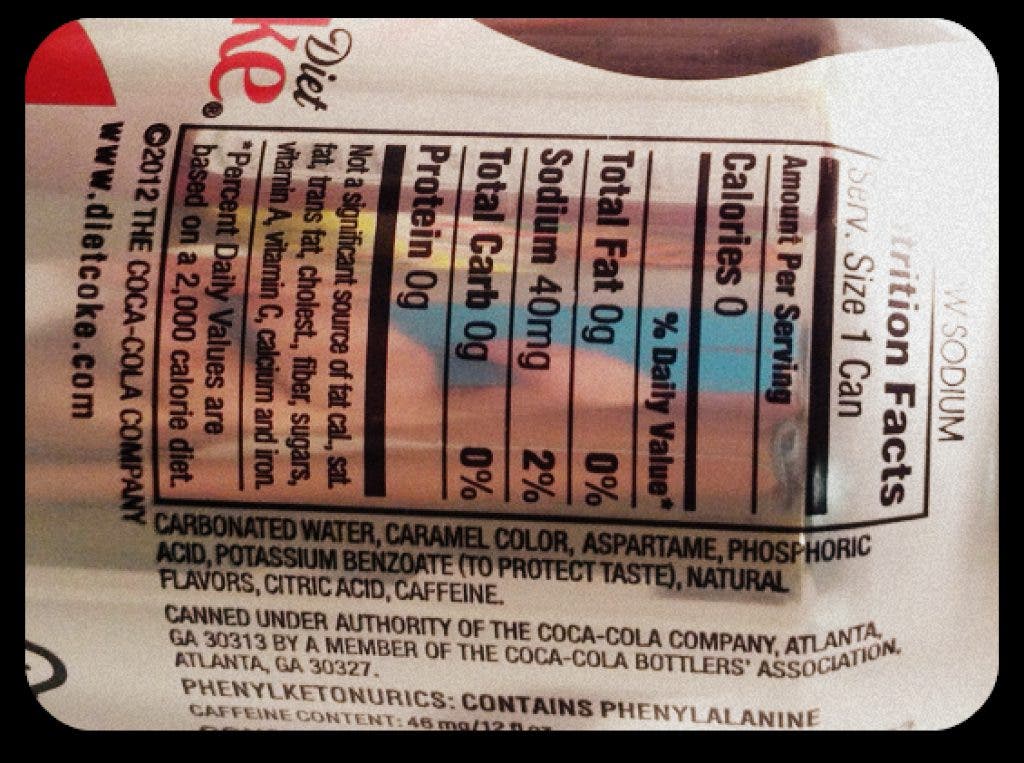
“I do drink soda, but only diet.”
I hear this a lot from my patients. And I know that when they tell me this, they mean to say that, although they are still drinking soda, they think they’re drinking a version that is healthier for them. It’s a common misconception, and, unfortunately, diet soda is probably just as bad, if not worse, for your health than regular soda. How can that be? Well, while most regular sodas contain the infamous high fructose corn syrup (HFCS) and can definitely contribute to an unhealthy diet; the substitutes for HFCS - artificial sweeteners - can be severely damaging to one’s health.
When you are in the grocery store, stop in the soda aisle, take a look at the can, bottle or 12 pack of your favorite diet soda, and check out the ingredients. There are two main chemicals that are used in most diet beverages- aspartame (Equal) and sucralose (Splenda). While each has been associated with various health risks, there is one thing that they have in common: both work as appetite stimulants. That’s right- you might be drinking a diet soda in order to not add calories but in fact these artificial sweeteners are acting against your weight loss plan.
Find out what's happening in Fredericksburgfor free with the latest updates from Patch.
So, how do these sweeteners act as appetite sweeteners? It is believed to occur because the body starts releasing insulin as soon as it tastes something sweet. (Insulin is the substance your body uses to drive sugar that’s in your blood into your cells.) Normally, when insulin increases due to the consumption of sugar, your body will increase insulin, but your body will absorb sugar from what you have just eaten. However, when there is no actual sugar to be absorbed, your body experiences a relative decrease in blood sugar. This decrease in blood sugar triggers an increase in appetite, which often counters what most people are trying to accomplish by selecting diet beverages.
Aspartame and Sucralose have also been connected with other health problems. Aside from the increase in appetite, aspartame has been associated with a host of health related issues including everything from joint pain to difficulty breathing, depression, and memory loss and weight gain. It has also been shown to aggravate certain pre- existing conditions, or increase your risk of stroke, MS, Alzheimer’s, epilepsy, Chronic Fatigue Syndrome, Fibromyalgia, Diabetes, and Parkinson’s Disease.
Find out what's happening in Fredericksburgfor free with the latest updates from Patch.
While Sucralose has not been studied nearly as well as aspartame, it still has its own list of symptoms that have been associated with it, such as stomach and intestinal problems, breathing problems, migraines, weight gain, and seizures.
And this is just the start- I suspect that once further research is done, this list will likely grow.
Stevia sweetener (Truvia) is one of the latest sugar substitutes to come onto the scene. Based on the principles that I mentioned regarding the role of artificial sugars as an appetite stimulant, I have no reason to believe that it is any different. It is advertised as “‘all natural” - but remember, the bite of a Black Widow Spider is also “all natural.” Just because it says it is “all natural” does not make it safe.
So, what should you do?
Honestly, I recommend avoiding the sugar substitutes all together. Everyone will make a different choice, but, for me, when I want something sweet I make sure it includes actual sugar, BUT I try my best to limit the quantity. This let’s me enjoy my wife’s chocolate chip cookies, in moderation, while maintaining my health, which leads to a longer and happier life- and who doesn’t want that?