Health & Fitness
Using Compost in Your Landscape
Your compost is ready for use in your landscape when it is dark brown and crumbly. It can be turned into the soil in planting areas, used as mulch, or added to potting mixes.
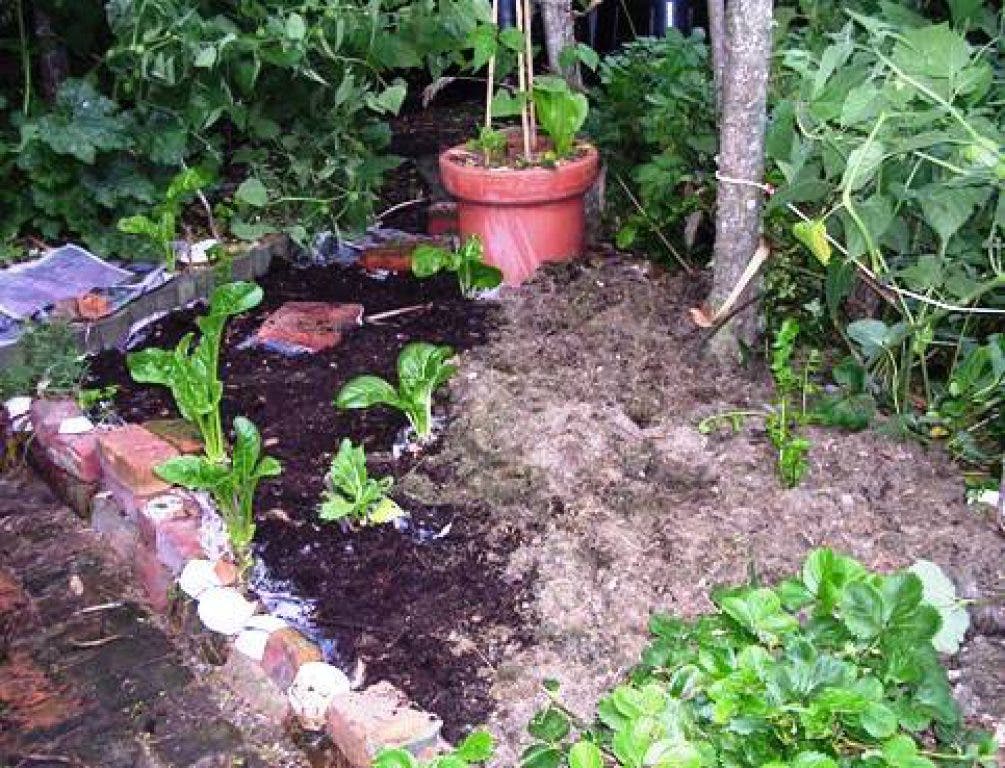

The third of a three-part series on composting.
Your compost is finished and ready for use in your landscape when it is dark brown and crumbly in texture. The temperature will have dropped and it shouldn’t resemble the food scraps and leaves with which you started. Finished compost should have a sweet aroma like good earth and should not smell like ammonia or anything foul.
The time it takes to create compost varies and can be as quick as one month or even up to a year. Factors that determine the length of composting time include techniques used, pile temperature, moisture level, and the balance of brown and green material. One of my friends built a compost screen out of leftover lumber and ¼ inch hardware cloth. It is a sieve that will ensure the finished compost is a uniform size and allows the larger particles to be returned to the compost pile for another round of decomposition. Your finished compost can be dug into the soil in planting areas, used as mulch around flowers and shrubs, or added to potting mixes.
Find out what's happening in Fredericksburgfor free with the latest updates from Patch.
Lawns
Till a few inches of compost to a depth of at least 6 inches when laying new sod or spreading seed. When adding to an existing lawn, top dress with ½ inch of sifted compost after dethatching and coring. Using a mulching mower and leaving the grass clippings on the lawn is a good way to reintroduce nitrogen to the soil too.
Find out what's happening in Fredericksburgfor free with the latest updates from Patch.
Flower and Vegetable Gardens
For a new garden bed, till in 1 inch of compost over 1,000 square feet to 5-8 inches deep. For a new vegetable garden, till in the compost and add an additional 3 inches of compost to the top 3 inches of soil. In an existing bed, turn in 3-4 inches of compost about one month before planting. Add an additional handful of compost to holes when planting vegetables. You will have a beautiful garden with the application of compost as mulch around your plants. In this case, more is actually better.
Shrubs and Trees
When planting seedlings, do not use compost in the backfill. It will keep the roots from spreading out into the surrounding soil. Mulching with compost feeds the root system, helps regulates soil temperature, and holds moisture. It should be spread in a 2 to 4 inch layer out to the drip line. Be sure to keep compost and all mulch away from the trunk of the base of the plant. It will encourage disease because of the moisture content next to the bark.
Potting Mix
Compost is cheaper than peat moss and serves a similar purpose in potting mix. Recommendations for the amount of compost vary from 20-30% compost up to 50% compost. It depends largely on the plants you are growing. I have used up to 50% compost combined with my amended garden soil in large pots for herbs. My houseplants benefit from the addition of compost to the soil surface once a year.
Sources for this series of articles include Backyard Composting, information from the USEPA’s website: www.epa.gov/wastes/conserve/rrr.composting, publications from the Stafford County Extension Office, and my own experience.