Health & Fitness
Why Should You Compost?
Compost enriched soil has lots of beneficial organisms and supports healthy plant growth. It helps reduce pollution and conserves water and can help you save money!
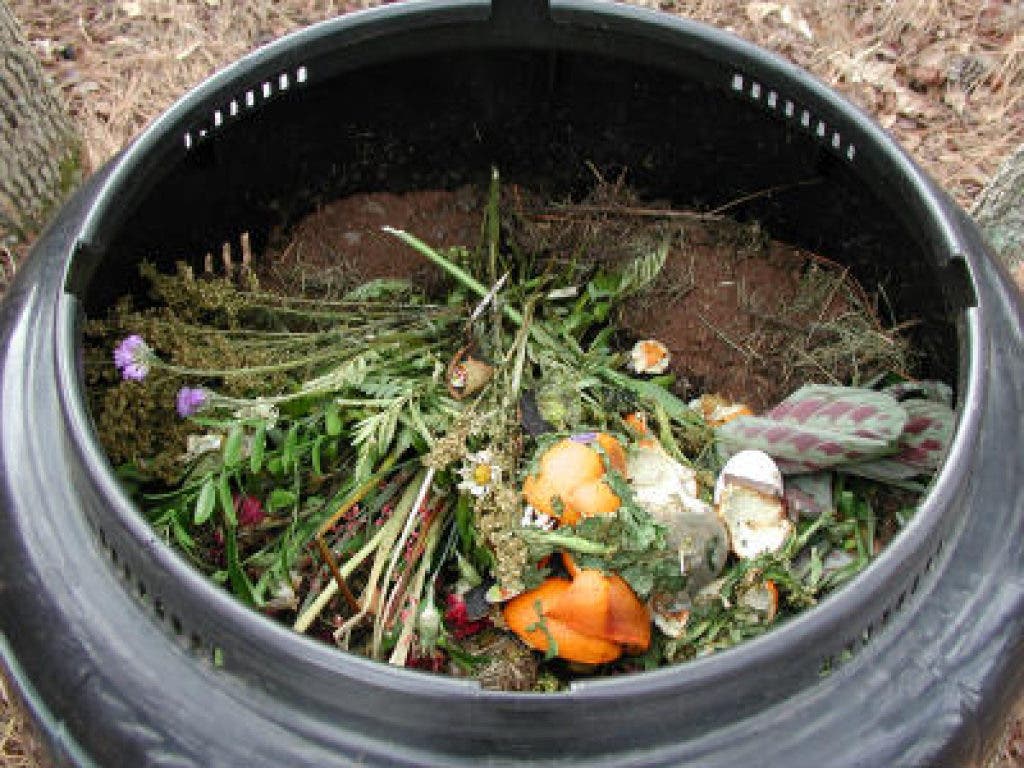
This is the second in a Keep reading to find out about the many benefits compost will have in your landscape.
Compost is a renewable, sustainable product, unlike most commercial fertilizers. It provides a wide spectrum of nutrients needed by plants, reduces watering requirements, and can help save money. It can be added to seed-starting mixes, potting soil, garden beds or your existing lawn.
Enrich Soils
Find out what's happening in Fredericksburgfor free with the latest updates from Patch.
There are more macro and micronutrients found in compost than in store-bought synthetic fertilizers. Compost buffers the soil, neutralizing high and low pH soils and makes nutrients available to plants. Some microorganisms break down organics into plant available nutrients and even convert nitrogen from the air into a plant available nutrient. In addition, the nutrients in compost are released slowly, with less runoff and detrimental impact to waterways.
Improve Soil Structure
Find out what's happening in Fredericksburgfor free with the latest updates from Patch.
Compost binds soil particles together and creates pore spaces for air and water. It also allows plant roots to spread easier. It will help break up clay soil and helps sandy soil retain water and nutrients. I can vouch that annual mulching with compost will help a heavy clay soil be crumbly and easy to work after just a few years.
Prevent and Remediate Pollution
Compost eliminates the need for synthetic fertilizers and can reduce existing chemical pesticide residues. The beneficial microorganisms in compost help break down chemicals and may protect plants from diseases and pests. The increased health of plants grown in compost can also help them fight off disease and pests. Water Conservation Adding compost to existing soil increases its ability to retain water. Just a 5 percent increase in organic matter quadruples soil’s water holding capacity. This additional moisture means watering less. Healthy root systems and increased water retention decrease runoff, which prevents pollution. Runoff pollutes water by carrying soil, fertilizers, and pesticides bto nearby streams.
Save Money
Recycling food scraps and yard waste into compost right in your backyard will eliminate the need for purchasing fertilizer for your landscape. It also eliminates the expense of hauling that waste to the landfill. Growing vegetables in your garden will help you save money on produce at the grocery store. Your friends and neighbors will benefit too! I have given away more peppers and tomatoes than my family could possibly eat.
Compost enriched soil has lots of beneficial insects, worms and other organisms that burrow through soil keeping it well aerated and support healthy plant growth. It helps reduce pollution and conserves water and can help you save money! The Rappahannock Regional Solid Waste Management Board will begin holding composting classes in late February. Let me know if you are interested in more information.