Crime & Safety
Bonsai Trees, Sausages Seized At Washington Dulles Airport
Customs inspectors seized Bonsai trees, pork sausages and other items that present a threat to the nation's agriculture and food industries.




STERLING, VA -- The main duty of agriculture specialists with U.S. Customs and Border Control is to intercept any potential threats to the country's agricultural resources that enter the U.S. either at ports of entry or in the baggage of travelers.
Just as recently as Jan. 27, Customs officials at Washington Dulles International Airport confiscated a bag of pet food that contained unidentified dead birds in the baggage of a traveler from China. Due to the threat of the highly pathogenic avian influenza, birds from China are prohibited from entering the U.S. Customs officials incinerated the birds on behalf of the U.S. Department of Agriculture.
Here are some other recent interceptions made by Customs officials at Washington Dulles International Airport:
Find out what's happening in Herndonfor free with the latest updates from Patch.
- On Jan. 28, a traveler from Vietnam declared he was carrying 25 noodle cups in his baggage. Upon examination, Customs officials found the cups were open and contained a combined 2 pounds and 8 ounces of prohibited pork sausages. The traveler was headed to an address in Montgomery County, Maryland.
- Beazley, a CBP agriculture detector dog, alerted Customs officials to the baggage of a traveler from Tunisia who arrived on a Jan. 25 flight from Germany. Inspecting the baggage, Customs officials found 1 pound of prohibited rice. They also discovered nine unlabeled pop-top cans, which contained 4.5 pounds of prohibited beef products. The traveler was going to a Fairfax County address.
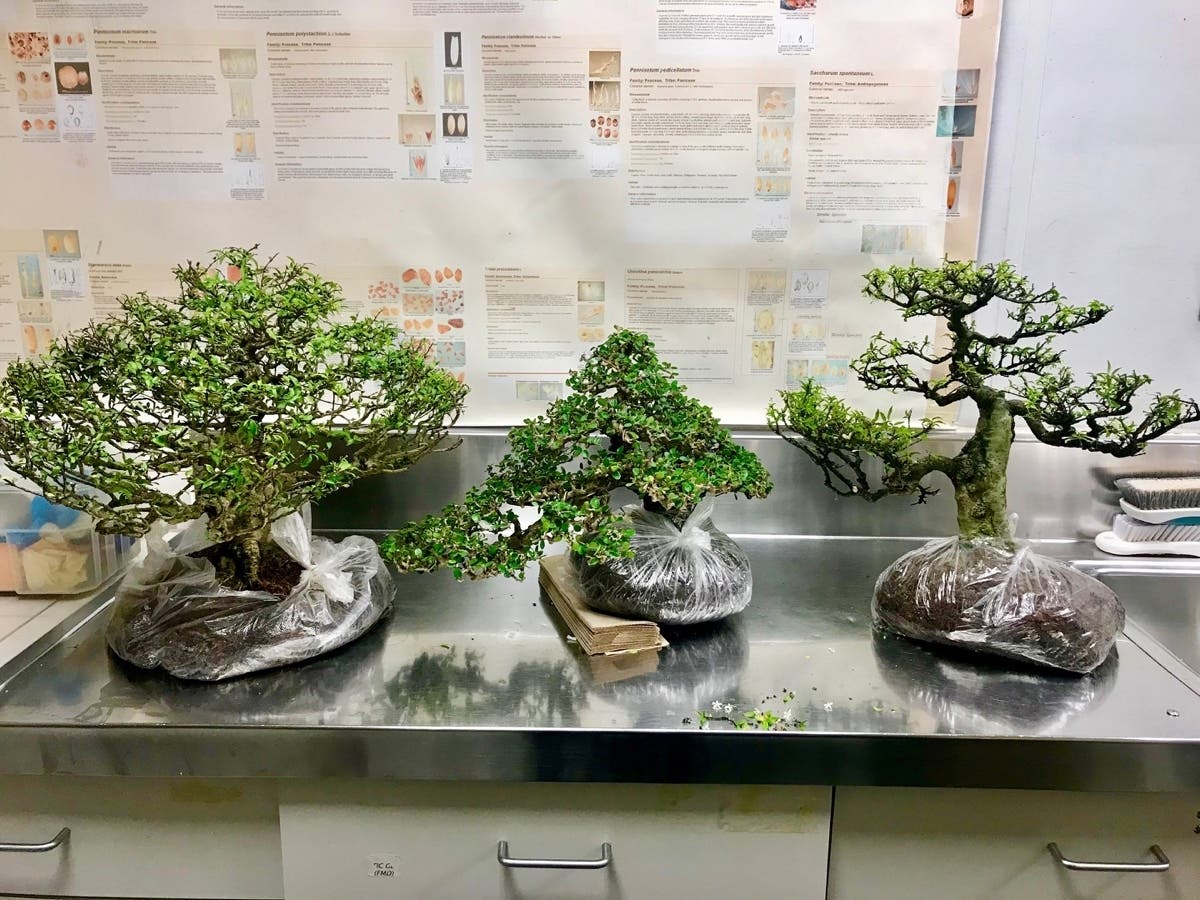
- A traveler from Japan heading to Prince George's County, Maryland, told Customs officials he was bringing three live Jasmin bonsai trees to his deceased father's home. On Feb. 7, Customs officials turned the trees over to a USDA plant inspection station to be quarantined.
Officials incinerated the prohibited pork and beef products, which posed a threat to the nation's livestock industry. The Bonsai tree with root balls were kept in quarantine for insect pests and other organic organisms could could harm the nation's plant and tree industries.
“These cases are a microcosm of what Customs and Border Protection agriculture specialists encounter every day in traveler baggage at our nation’s ports of entry,” said Casey Durst, director of Field Operations for CBP’s Baltimore Field Office, in a press release. “Customs and Border Protection agriculture specialists continue to exercise extraordinary vigilance every day in their fight to protect our nation’s agricultural and economic prosperity from invasive pests and animal diseases.”
Find out what's happening in Herndonfor free with the latest updates from Patch.
Go online to see other items Customs and Border Protection workers seized in a typical day in 2019.
Get more local news delivered straight to your inbox. Sign up for free Patch newsletters and alerts.