Crime & Safety
Customs Officials Seize Peyote, Other Plants At Dulles Airport
U.S. Customs and Border Protection seized 165 cactus plants, succulents, and peyote plants at Washington Dulles International Airport.


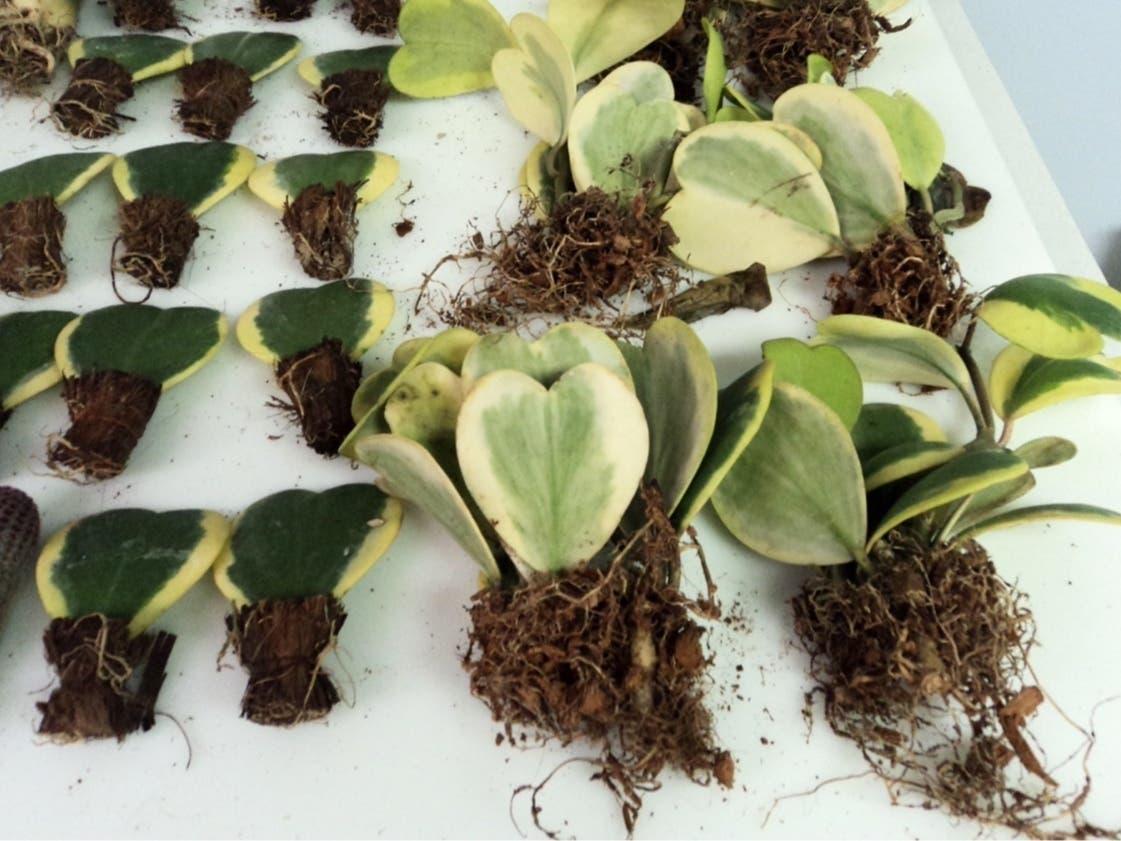


DULLES, VA — Agriculture specialists with U.S. Customs and Border Protection seized 165 cactus plants, succulents, and peyote plants recently at Washington Dulles International Airport, according to a CBP release.
Customs officers originally inspected two shipments that had arrived via express air delivery services from Thailand on July 10 and 13. While the shipments were manifested as fabrics, one of the shipments contained 58 live plants, including the six peyote plants. The second shipment contained 107 live plants. All of the plants had roots and were packaged and labeled for distribution across the U.S.
After CBP agriculture specialists were notified, they determined that the shipments did not include the necessary permits or certificates required by the U.S. Department of Agriculture for importing plants.
Find out what's happening in Herndonfor free with the latest updates from Patch.
The plants were then sent to the USDA Plant Inspection Station in Atlanta, where they were identified as Astrophytum asterias, Discocactus sp., Obregonia denegrii, Acanthocereus tetragonus, Gymnocalycium anisitsii, and Mammallaria elongata.
After consulting with U.S. Fish and Wildlife Service inspectors, CBP agriculture specialists confirmed that many of the plants were subject to the Convention on International Trade in Endangered Species of Wild Fauna and Flora (CITES) restrictions. In addition, the peyote plants (Lophophora williamsii) tested positive for the presence of the Schedule 1 drug mescaline.
Find out what's happening in Herndonfor free with the latest updates from Patch.
“This seizure illustrates the essential and thorough Customs and Border Protection import inspections to detect illicit international trade practices that threaten our nation’s economy and natural resources,” said Casey Durst, CBP’s director of field operations in Baltimore, in a statement. “CBP agriculture specialists face a very complex and challenging task to protect our nation’s agricultural and economic security and they meet that challenge with extraordinary commitment and vigilance.”
Once the endangered plants have been cleared of pests and diseases, USDA and USFWS will typically try to place them with a plant rescue if possible.
This case remains under investigation.
On a typical day in 2019, CBP agriculture specialists working across the country seized 4,695 prohibited plants, meat, animal byproducts, and soil. In addition, they intercepted 314 insect pests at U.S. ports of entry.
Get more local news delivered straight to your inbox. Sign up for free Patch newsletters and alerts.