Community Corner
Remembering Herndon's History: An Ode to Preacher Brown
"Remembering Herndon's History" is a regular Herndon Patch feature offering stories and anecdotes about Herndon's past.


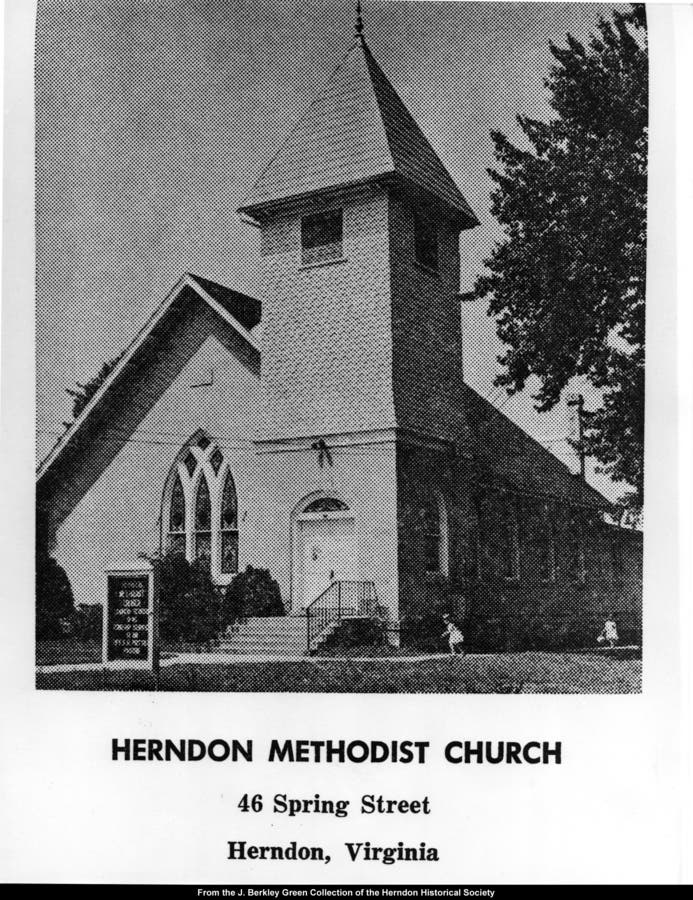
(Main image: The Woolf Southern Methodist Church, c. 1940s. From the J. Berkley Green Collection of the Herndon Historical Society.)
By Barbara Glakas
For many years, the family of Henry Grafton De Butts (1876-1953) lived in Herndon. He and his wife, Lillian, had a large number of children, and Mr. de Butts was known to have worked many jobs over the years.
Find out what's happening in Herndonfor free with the latest updates from Patch.
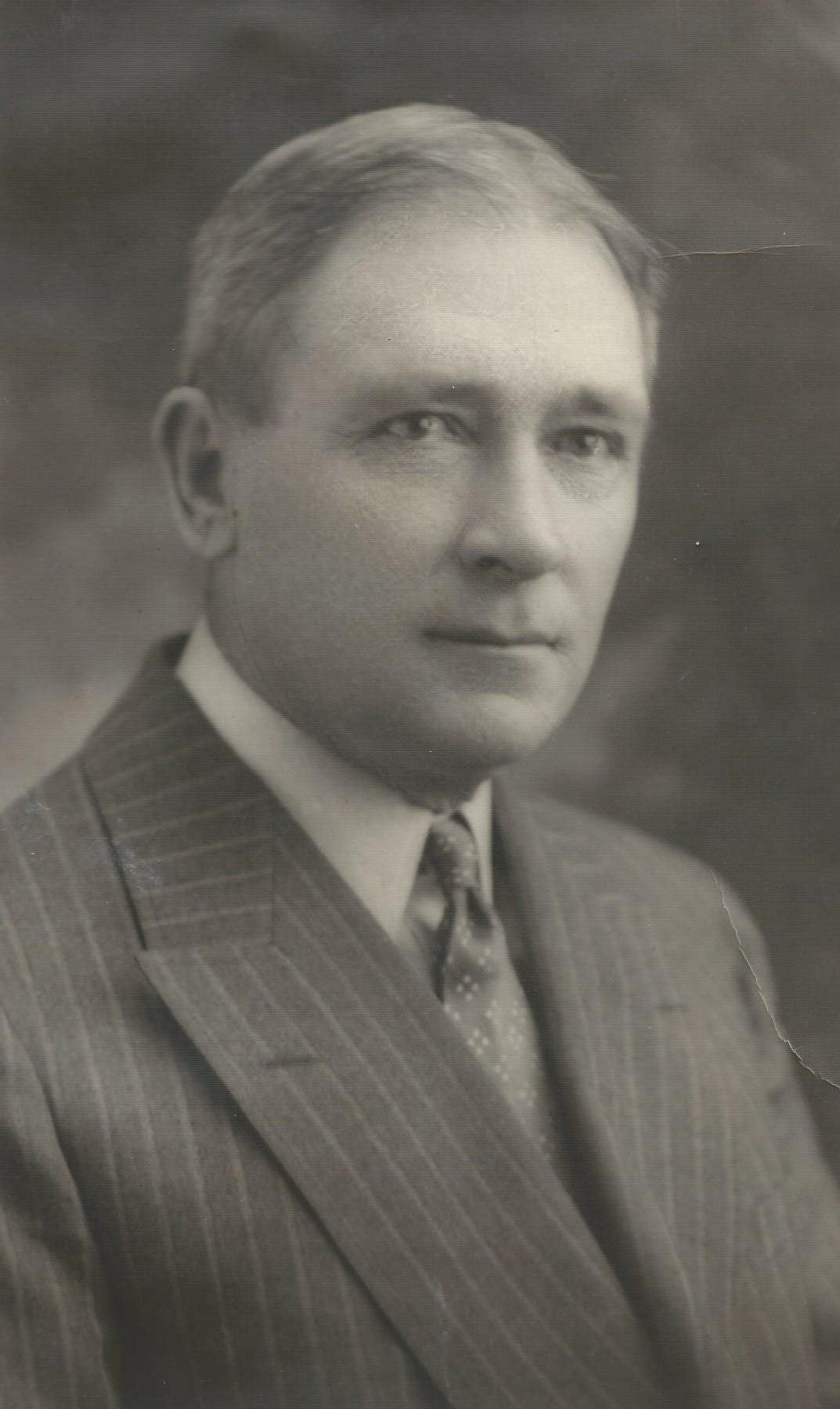
Henry Grafton de Butts, c. 1936. Courtesy Arthur de Butts.
In the early 1900s he did general farming. He served on the Town Council from 1919 to 1921. And throughout the 1920s he operated a meat house. He slaughtered and sold fresh meats as well as fish, advertising that he had “the best grades of fresh meats, fish and oysters.” Oysters were big business in Herndon; many firsthand accounts of residents who lived in Herndon in the early 20th century referred to their oyster dinners. As a butcher he also helped the needy during the depression, providing his services to cut and cure hogs for the poor in the county as part of a project for the Fairfax County Welfare Board.
Find out what's happening in Herndonfor free with the latest updates from Patch.
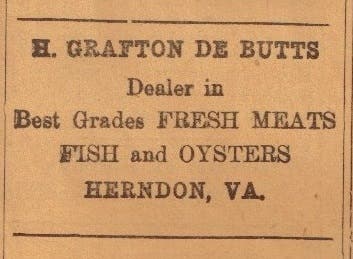
A de Butts business ad from a 1929 News Observer newspaper.
Mr. de Butts was also known to have later owned a furniture store in downtown Herndon on Spring Street near the current location of the Herndon fire station.
Mr. de Butts attended Herndon’s Southern Methodist Episcopal Church at 655 Spring Street, near the intersection of Locust Street. In 1916 the church was dedicated as the Woolf Memorial Church in honor of its first minister. At that time there were two Methodist churches located in Herndon with the other Northern Methodist Church located at 800 Elden Street. In 1939 the two churches merged and occupied the bigger church building on Spring Street. Now Herndon’s United Methodist Church is located on Bennett Street.
In the 1920s and 1930s Mr. and Mrs. de Butts hosted cottage prayer meetings for their church, hosted entertainment for Sunday school classes at their home, and served on committees that benefited the church.
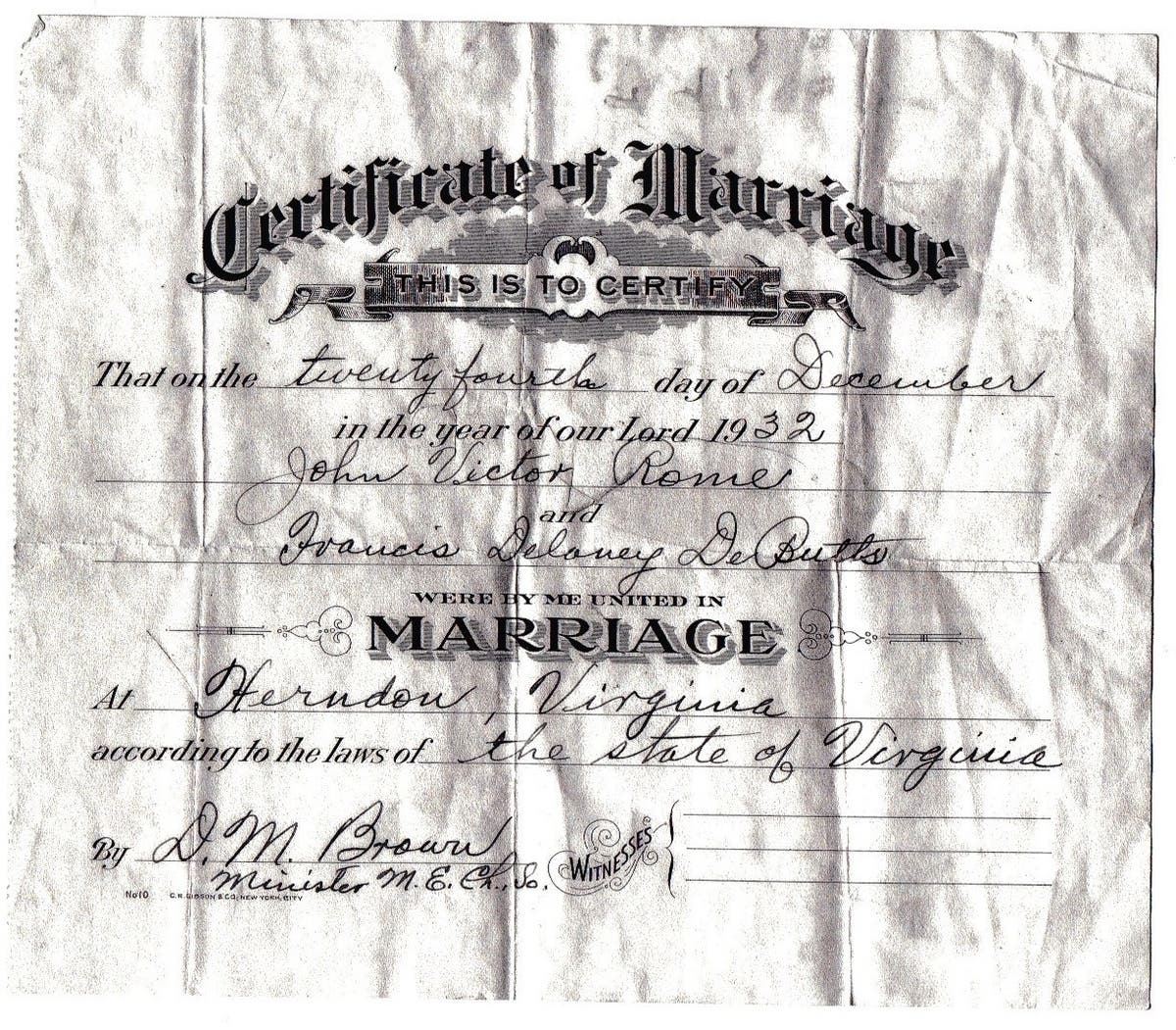
Francis de Butts’s 1932 marriage certificate, signed by Preacher Brown. Courtesy Arthur de Butts.
Ministers at the church tended to come and go, seemingly rotating from church to church within a regional area, sometimes serving at more than one church. Rev. D. M. Brown was the minister at Herndon’s Southern Methodist Church from 1931 to 1933. In 1932 Reverend Brown presided over the marriage of Mr. de Butt’s daughter, Francis Delaney De Butts.
Little is known about Reverend Brown personally, but we know that he not only preached at the Herndon Church but also at the new Forestville Church (now Great Falls), as well as in Baltimore. In addition, he also addressed various local groups such as the P.T.A. and the Woman's Christian Temperance Union. The temperance movement was in full swing in Herndon in the 1930s, with the Town Council making efforts to pass ordinances to allow the sale of alcohol in Town, only to be met with fierce resistance by active temperance residents.
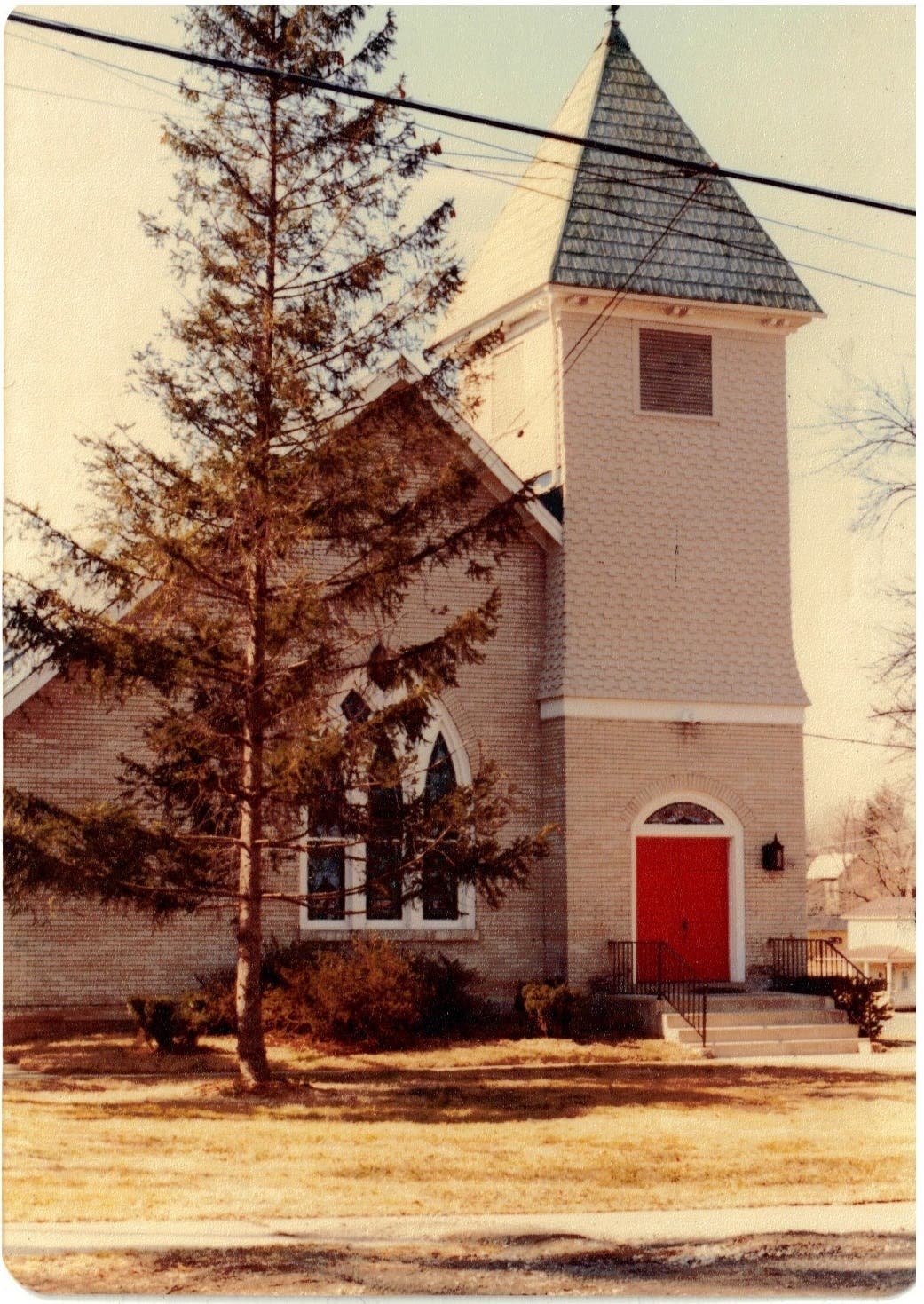
The Woolf Southern Methodists Church, c.1980. From the Herndon Historical Society.
In 1933 Reverend Brown was transferred from Herndon to a church in Washington, D.C. He ultimately moved there as well. For reasons unknown, Reverend Brown must have made an impression on Mr. de Butts. Mr. de Butts – who enjoyed writing poetry - wrote an ode in Reverend Brown’s memory, which we are reproducing here in full:
--------------------------------------------------
To Preacher Brown
By H. Grafton de Butts
Herndon, VA
We were gathering in the church yard,
Our Preacher had passed away.
His congregation is sad now,
The funeral is today.
The church was crowded,
There was not an empty pew.
If he could only see them,
When he preached there was such a few.
He used to come and tell me,
How he would preach to four or five.
The church was so empty
When the Preacher was alive.
They covered his casket with flowers,
But he was unaware,
Of the glory bestowed upon him,
When the Preacher wasn’t there.
He used to go among them,
And he taught the Golden Rule.
He asked them to come to church,
And come to Sunday school.
But when they filled the church up,
Til it really did overflow,
The Preacher was in his casket,
And then he didn’t know.
Now this might be a lesson,
To those who hesitate,
Go to church while your Preacher lives,
When he is dead, it is too late.
----------------------------------------------------------------------------
About this column: “Remembering Herndon’s History” is a regular Herndon Patch feature offering stories and anecdotes about Herndon’s past. The articles are written by members of the Herndon Historical Society. Barbara Glakas is a member. A complete list of “Remembering Herndon’s History” columns is available on the Historical Society website at www.herndonhistoricalsociety.org.
The Herndon Historical Society operates a small museum that focuses on local history. It is housed in the Herndon Depot in downtown Herndon on Lynn Street and is open every Sunday from noon until 3:00. Visit the Society’s website at www.herndonhistoricalsociety.org, and the Historical Society’s Facebook page at https://www.facebook.com/HerndonHistory for more information.
Note: The Historical Society is seeking volunteers to help keep the museum open each Sunday. If you have an interest in local history and would like to help, contact HerndonHistoricalSociety@gmail.com.
Get more local news delivered straight to your inbox. Sign up for free Patch newsletters and alerts.