Community Corner
Segregation in Herndon–Cooktown
Herndon, like the rest of Fairfax County, was not a welcoming place for African Americans during the segregation era.
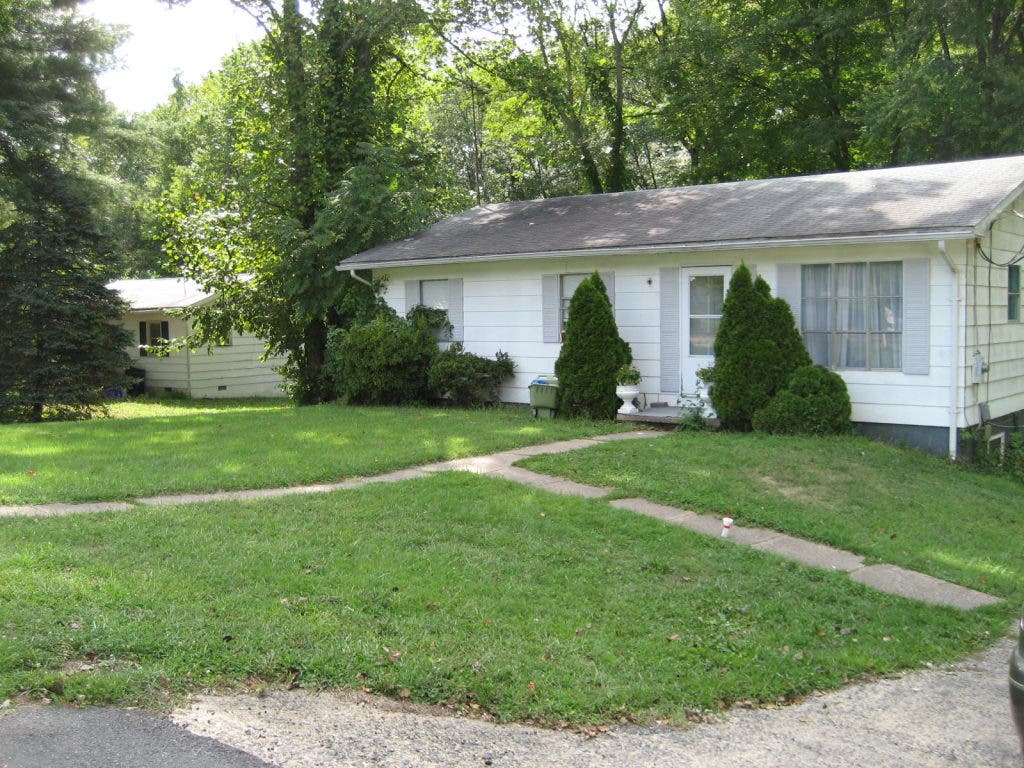


The population of Herndon had reached 953 by 1920, and African Americans represented about 10 percent of that number. Almost all of them lived within two “colored settlements”—either Cooktown (at the northern limits of town) or Oak Grove (near Sterling), where a two-room elementary school with one teacher that served children from the two settlements was located. Youngsters from Cooktown and Oak Grove families travelled to Manassas to attend high school.
The social life also revolved around the two settlements. There was a church in Oak Grove, and there were Saturday night lawn parties where people would cook, sell food and dance.
In order to live within the town, African Americans had to own their own property, and very few did—due in no small part to the fact that, in 1923, the Town Council approved an ordinance “prohibiting the sale of property within the corporate limits to non-whites without council permission.” Fred Washington, whose family did live in the town, was born in the family home at 628 Grant Street. (It later became the old H&S Plumbing building, which no longer exists.) “You knew your place growing up in a segregated society,” he recalled.
Find out what's happening in Herndonfor free with the latest updates from Patch.
There were distinct advantages to living within the town limits. For example, within the town, Tom Dade and his wife—who lived in Cooktown—would drive their horse and wagon to every house each week or two, collect the full outhouse can, and leave a new one. No such service existed in Cooktown, where the roads were not paved and there was no water.
As recently as 42 years ago, Herndon officials were not all that sympathetic to Cooktown’s disgraceful conditions. As a result, in 1969, Fairfax County antipoverty workers encouraged members of the remaining 17 families in the settlement to sign petitions protesting the lack of water, sewers, home mail delivery, paved streets and school bus service.
Find out what's happening in Herndonfor free with the latest updates from Patch.
The petitions eventually had the intended effect. Streets were widened to accommodate school buses, streetlights were installed, and home mail delivery was instituted. A temporary water hydrant also was installed to replace the community’s polluted wells. Two members of the Town Council at the time—Charles Allen and Holden Harrison—paid for the hydrant themselves.
There has been much discussion over the years about the origin of the settlement’s name. A February 1969 Washington Post article erroneously stated that Cooktown was where “the cooks lived in the old days.” Asked about that, resident Nancy Waters said that the settlement was named for a woman named Eva Cook. In actuality, it probably was named for a man named Frederick Cook, who purchased three acres of land along Monroe Street in 1893.
While the name can still be found on some maps and Cooktown is described as an “unincorporated community” on several websites, there are no remnants of what the Washington Post in that same 1969 article described as “dirt roads and ramshackle buildings.” Most of the residents of Cooktown had left by the 1980s, and the area was eventually redeveloped.
Remembering Herndon’s History is written by members of the Herndon Historical Society. Barbara Glakas is an active member and Chuck Mauro is a former president. He also is author of Herndon: A Town and Its History, which is available for purchase in the Depot.
The Society operates a small museum that focuses on local history. It is housed in the Depot and is open each Sunday from noon until 3 p.m. Visit the Society’s website at www.herndonhistoricalsociety.org for more information. For information about volunteering to help staff the Depot or about Historical Society meetings, contact Carol Bruce at 703-437-7289 or carolbrcom@aol.com.