Crime & Safety
Zebra, Giraffe Bones Found In Woman's Baggage Seized At VA Airport
A woman admitted to customs officials that she brought the zebra and giraffe bones back to the U.S. as souvenirs from her trip to Kenya.


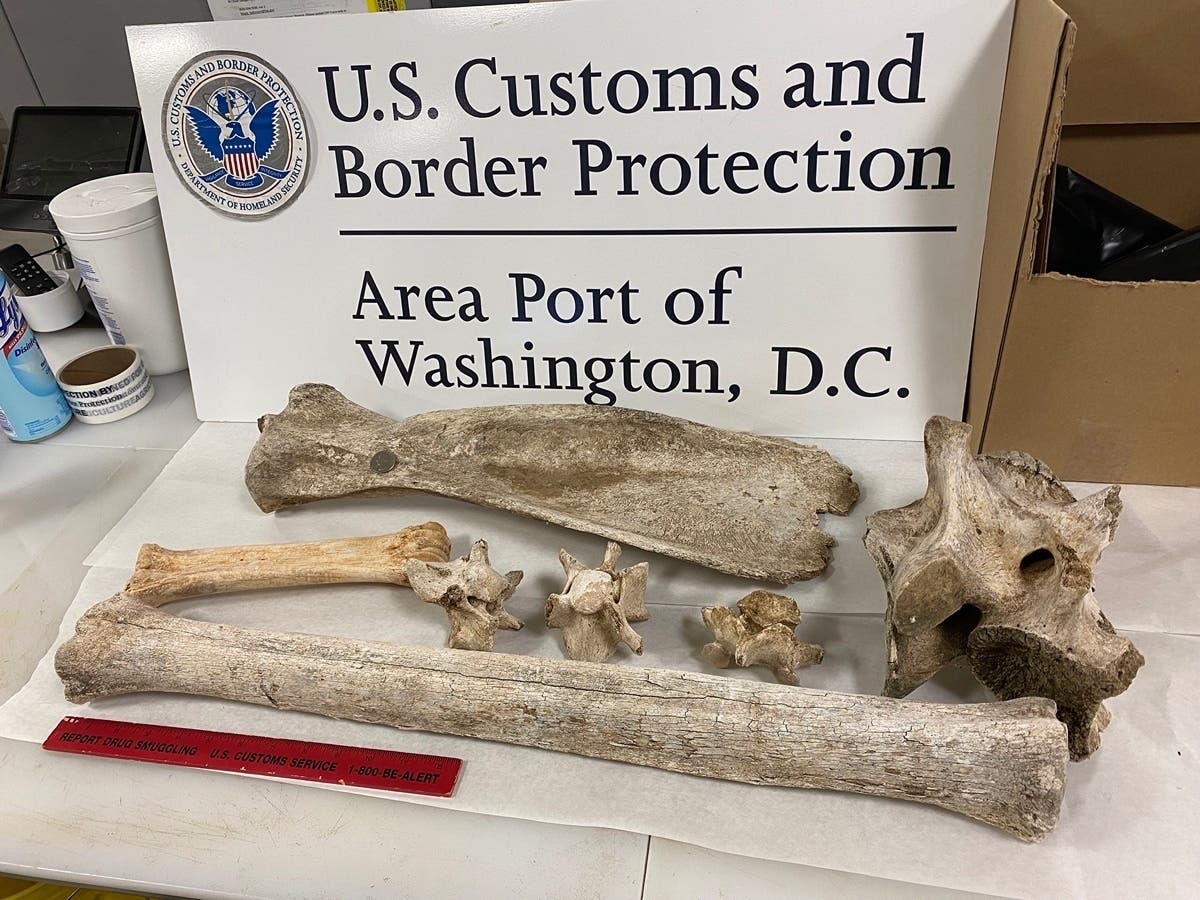
DULLES, VA — A Fauquier County woman admitted to U.S. Customs and Border Protection officers that the bones found in her baggage at Washington Dulles International Airport were zebra and giraffe bones, according to a release.
CBP agriculture specialists found the bones when they were doing a secondary examination of the woman's baggage on Nov. 10. She said that the bones were found in Kenya and she had kept them as souvenirs.
CBP officials sent the bones to the U.S. Fish and Wildlife Service, so that inspectors could determine if the woman was allowed to bring them into the country.
Find out what's happening in Herndonfor free with the latest updates from Patch.
On Nov. 17, CBP officials seized the bones at the direction of USFWS inspectors, who found that they violated provisions of the Convention on International Trade in Endangered Species of Wild Fauna and Flora, the Endangered Species Act, and the Lacey Act, according to the release.
The woman was originally referred for a secondary inspection after she declared that she was carrying a small Acacia tree twig, according to the release. Once the CBP found the bones, she amended her declaration to include them. The woman was not charged, the bones were seized, and the Acacia twig turned out to be admissible.
Find out what's happening in Herndonfor free with the latest updates from Patch.
Kim Der-Yeghiayan, the acting area port director for CBP’s Area Port of Washington, D.C., said in a release that while she appreciated travelers wanting to keep souvenirs of their trips, those items could expose residents, family members, pets and the country's agriculture industries to serious plant and animal disease.
"Customs and Border Protection strongly encourages all travelers to know what they can and cannot pack in their baggage before returning to or visiting the United States and to declare all items upon arrival," she said.
Get more local news delivered straight to your inbox. Sign up for free Patch newsletters and alerts.