Health & Fitness
Why Not Certified Organic?
We're often asked whether our farmers are certified as organic. They're not, and here's why.
This Week at our George Mason University, Prince William Campus Market
Thursday 11:30am–2:30pm
Occoquan Parking Lot (corner of University Blvd. and Freedom Center Blvd.)
Map
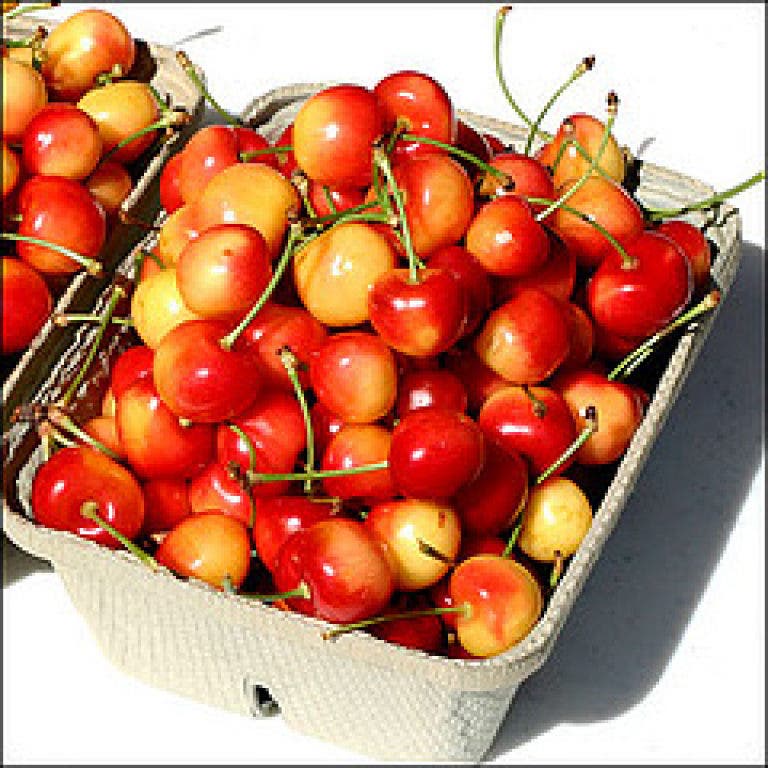
Welcome Freedom Center campers and their moms and dads! We hope you will take time to stop by the market while the kids are in camp — or even better, stop by with the kids after you pick them up. We will be in the Occoquan parking lot at the corner of Freedom Center Drive and University Drive. We bring you veggies from the Northern Neck of Virginia and amazing fruit — peaches, cherries, raspberries and blueberries from West Virginia. Also bread from Great Harvest, and then there are the Argentine empanadas, smoked meats and Virginia crabs and shrimp too! Come check us out and let us know what you would like for us to add to the market — local dairy products, maybe?
From the Founder
Dear Shopper,
Find out what's happening in Manassasfor free with the latest updates from Patch.
Since Smart Markets was founded in 2008, I have been writing and talking about the issue of organic farming. We even hosted a forum with some big-name food writers and experts in November 2008 to address the issue. But I get so many questions at markets and in emails that I am going to give you some facts and opinions about the issue again.
Our shoppers usually want to know whether we have any organic farmers in our markets. The answer is no — not certified organic. Certification of a farm’s organic growing practices is now done by the federal government — the U.S. Department of Agriculture, to be exact. Before the feds took over this process, operating an “organic” farm was either a personal decision or a state-approved designation; the federal government had nothing to do with it.
Find out what's happening in Manassasfor free with the latest updates from Patch.
Around 20 years ago, a movement began among corporate commercial farming interests to encourage the USDA to take over the certification process, which meant that only the feds would be granting “organic” status to farmers, large and small. This seemed to be a good idea at the time for these big growers, as they were the ones selling all over the country and having to deal with a huge number of different requirements labeling their produce for the various states. But as often happens, it has led to some unintended consequences that seem now to have undermined our need to know — if not the corporate farm’s need to make money on organics.
Federal guidelines were established and a lengthy, laborious and expensive process for acquiring that “organic” certification was created which has nearly wiped out the certified-organic small farm — especially those that use less than 100 acres. Given that the average farm in Virginia is only 40 acres and that most of those farms depend on retail farmers’ markets sales to survive, there are very few certified-organic farms represented in the markets across the state.
However, many farmers farm in an organic manner but are not permitted to use the term anymore. They are seriously committed to growing without any chemical fertilizers, herbicides, fungicides or insecticides. Others have seriously reduced the amount of these products they use because they are expensive to use on a small scale. Some farmers must use the occasional fungicide or insecticide because of growing conditions here in the Middle Atlantic and Upper South, where the humidity supports all kinds of fungi and insects. But almost all of our farmers use these aids sparingly and early in the growing season, unlike the big farms, where massive amounts of toxins are sprayed on our food sometimes as often as once a week.
Compared to anything you can buy in the grocery store these days — even California-grown organic produce has been the source of E. coli in the last year — produce from a local farm and brought to market by the farmer is as close to safe food as you are going to get under any label. Would you trust an organic label on Mexican- or Chinese-grown produce? Or would you trust your farmers to tell you exactly what they use, letting you decide based on faith and trust?
That is the issue — whom do you trust? I know who I trust — and it’s not the commercial grower, no matter what label the produce bears. And by the way, commercial growers are now encouraging the USDA to lower its requirements for that “certified organic” label. I don’t see anything good coming out of those discussions, either.
See you at the market!
Photo by La Grande Farmers' Market