Crime & Safety
Drunk Boaters Beware In Manassas: Police
With the Fourth of July holiday weekend almost here, Prince William County police plan to ramp up "boating under the influence" arrests.


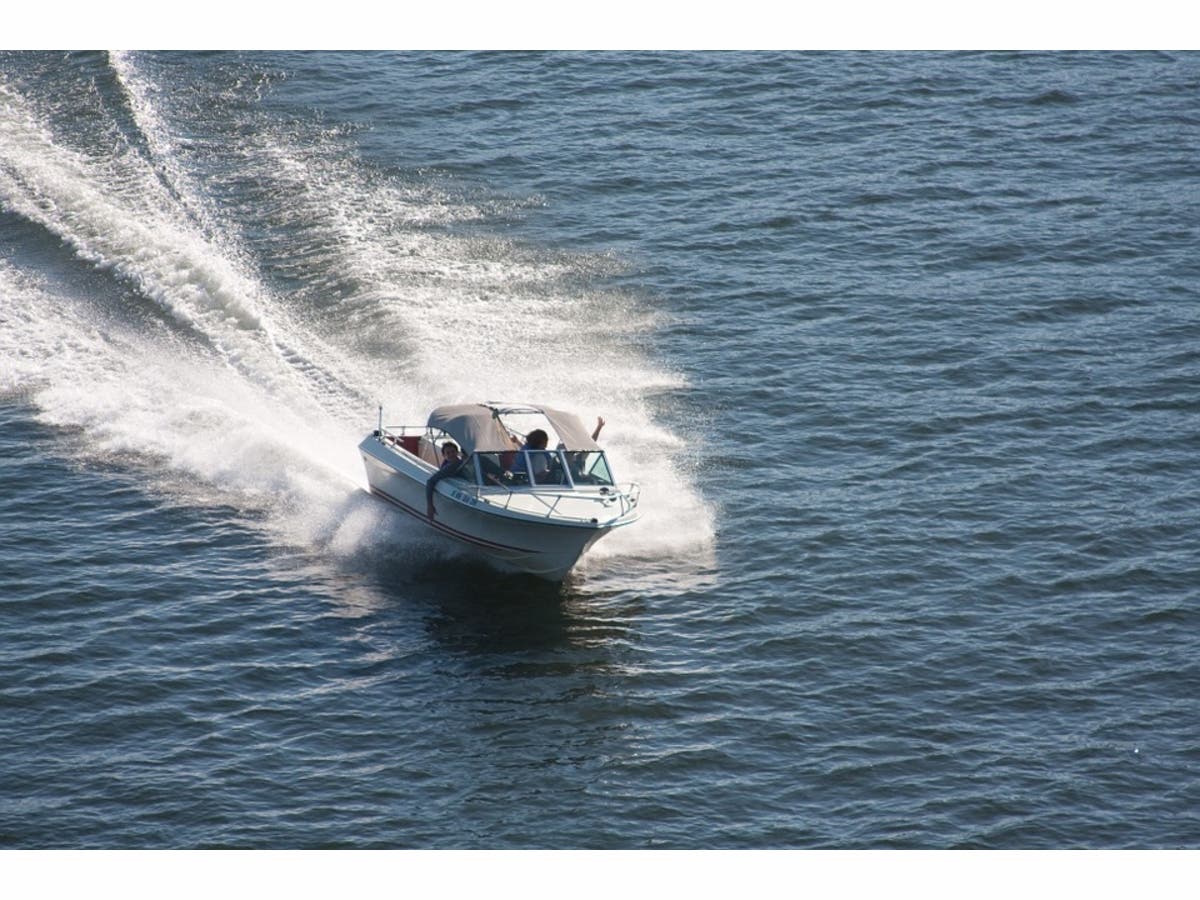
PRINCE WILLIAM COUNTY, VA — Getting out on the water in a boat is one of the coolest things about summer. Good times for sure, especially if you plan on popping open a cold one or two. But if you're driving a boat, and "one or two" becomes "three or four or even more," you might well run into some problems with the Marine Unit of the Prince William County Police.
With the Fourth of July holiday weekend almost upon us, police plan ramp up BUI arrests, or boating under the influence arrests. From June 30-July 2, the unit is participating in the national Operation Dry Water campaign. Police say boaters will notice an increase of officers on the water and at recreational boating checkpoints such as Leesylvania State Park.
The unit has provided the following safe-boating tips:
Find out what's happening in Manassasfor free with the latest updates from Patch.
(For more local news, click here to sign up for real-time news alerts. Also, like us on Facebook, and if you have an iPhone, click here to get the free Patch iPhone app.)
• Boat sober. Alcohol use is the leading contributing factor in recreational boater deaths. Alcohol and drugs use impairs a boater’s judgment, balance, vision and reaction time.
• Wear your life jacket. 85 percent of drowning victims were not wearing a life jacket.
• Take a boating safety education course. 71 percent of deaths occurred on boats where
the operator did not receive boating safety instruction, where instruction was known.
Find out what's happening in Manassasfor free with the latest updates from Patch.
For more information about Operation Dry Water, click here.
Also, the Coast Guard Compass, the official blog of the U.S. Coast Guard, has a list of the 6 most common rumors about boating and alcohol:
1. Drinking alcohol while operating a boat isn’t a big deal; it’s not as dangerous as drinking and driving a car.
The fact is, alcohol is responsible for 16% of boating fatalities. It’s the leading contributing factor in recreational boating deaths. That’s a huge deal. Operating a boat with a blood alcohol content of .08 or higher is also against the law.
The operator of a boat has more variables to consider than someone driving a car. How deep is the water? Are there submerged dangers like rocks or trees? How big are the waves and what direction are they coming from?
Waterways aren’t marked by lanes, signs and street lights the same way that roads are and most boats don’t have headlights. Operating a boat is challenging enough while sober. Adding alcohol only makes it more difficult and dangerous. Exposure to sun, wind, rain, noise, vibration and motion – “stressors” common to the boating environment – intensify the side effects of alcohol, drugs, and some medications.
2. Boats are ‘toys’ meant for partying out on the water.
If you’ve ever spent time out on the water boating recreationally, chances are you’ve either attended a floating party, or witnessed one at close range. Many people associate boats with parties, and of course, what’s a party without alcohol?
While pleasure craft are intended for recreation, they are not toys. In order to ensure fun on the water, it is the operator’s responsibility to ensure the safety of everyone on board. The operator of any given vessel must not only be sober and of sound mind, they must be able to operate in an environment free from added distraction. A boat full of drunk people is dangerous, even if the boat’s driver has had nothing to drink.
Did you know that boat operators with a blood alcohol content of .10 or higher are ten times more likely to die in a boating accident than sober operators? Boats are meant for having fun, but when someone gets hurt or killed out on the water, the good times come to an abrupt end.
3. Penalties for drinking and boating are pretty lenient and it’s hard to get caught.
Operators found to be boating under the influence can expect to incur severe penalties The voyage may be terminated, boat may be impounded and the operator may be arrested. Penalties vary by state but can include fines, jail, loss of boating privileges and even loss of driving privileges.
Law enforcement has been cracking down on BUI in recent years as driving a boat while intoxicated is no more acceptable than drinking and driving a car. In addition to police and sheriff boat crews on the water, boaters can expect to encounter fish and game wardens, Coast Guard and other local, state and federal law enforcement agencies, all equipped with chemical testing capabilities using blood, breath, and urine samples. These validated ashore and afloat tests give marine law enforcement officers an impressive arsenal in their ongoing efforts to enforce BUI laws.
4. You’re okay to drink and operate a vessel as long as it isn’t powered by a motor.
Wrong. You can get a BUI for paddling a canoe while under the influence. BUI laws pertain to all vessels, from canoes and rowboats to the largest ships. People sometimes let their guard down while “floating” in boats without motors. Passing out and drifting into a shipping lane or into the path of a ski boat doesn’t fall under most people’s definition of “recreation.” Impairment on the water, even in kayaks and small sailing vessels, leads to accidents. In fact, eight of ten boaters who drowned last year were using vessels less than 21 feet long.
5. BUI means boating under the influence of alcohol, you can’t get in trouble for boating after smoking pot.
False. BUI means boating under the influence of any intoxicant, including both legal and illegal drugs. You can get a BUI while under the influence of a prescribed medication if it is determined that the medication caused operator impairment.
6. Going for a swim from an anchored boat after a few drinks is a good idea.
When you’re out on the water on a beautiful summer day, and have downed a few drinks in the sun, going for a swim off the back of a boat may seem like a great idea. The hidden dangers are even less apparent to a person that is intoxicated. Currents are often difficult to predict until you’re getting swept away by one. If you end up further away from the boat than you planned, hypothermia could potentially occur. Additionally, alcohol distorts your perception of risk and your own abilities. With less accurate information pouring into the brain, you’re not as equipped to make the right decisions. Jumping from a moving boat, pushing others from the boat, swimming near an engaged propeller, swimming too far or in unsafe locations are all common behaviors that can occur when swimmers consume alcohol.
Image via Pixabay
Get more local news delivered straight to your inbox. Sign up for free Patch newsletters and alerts.