Health & Fitness
Virginia A Hotspot For This Disease As Ticks Emerge For 2026
Tick season is starting in Virginia, and along with it comes the potential for serious and debilitating illnesses.


Tick season is starting in Virginia, and along with it comes the potential for serious and debilitating illnesses such as Alpha-gal syndrome, a tick-borne red meat allergy spread by the aggressive lone star tick.
Tick season typically occurs from early spring through late fall, with peak activity from April to September. The timing varies by location and climate, but ticks are generally most active during warmer months when temperatures are above freezing and humidity levels are high.
As temperatures rise above freezing, ticks emerge from dormancy, become active and begin their search for a host. When they bite people or pets, this also means they can pass on germs, putting their hosts at risk of contracting a variety of tick-borne illnesses.
Find out what's happening in Old Town Alexandriafor free with the latest updates from Patch.
Among those ailments is alpha-gal syndrome, or AGS, an emerging allergic condition characterized by potentially life-threatening hypersensitivity to a sugar found in red meat and other products that come from mammals. AGS is spread by lone star ticks, the most common tick biting humans in Virginia.
From Jan. 1, 2017, to Dec. 31, 2022, some 90,000 people tested positive for the allergy, according to a study from the U.S. Centers for Disease Control and Prevention. Cases, primarily reported in the southern, midwestern and Mid-Atlantic Census regions, increased from 13,371 in 2017 to 18,885 in 2021.
Find out what's happening in Old Town Alexandriafor free with the latest updates from Patch.
With one of the highest incidence rates in the entire country, especially in certain counties, Virginia was identified by the CDC as a national hotspot for AGS cases. It is one of several included in a contiguous belt of states with high case rates.
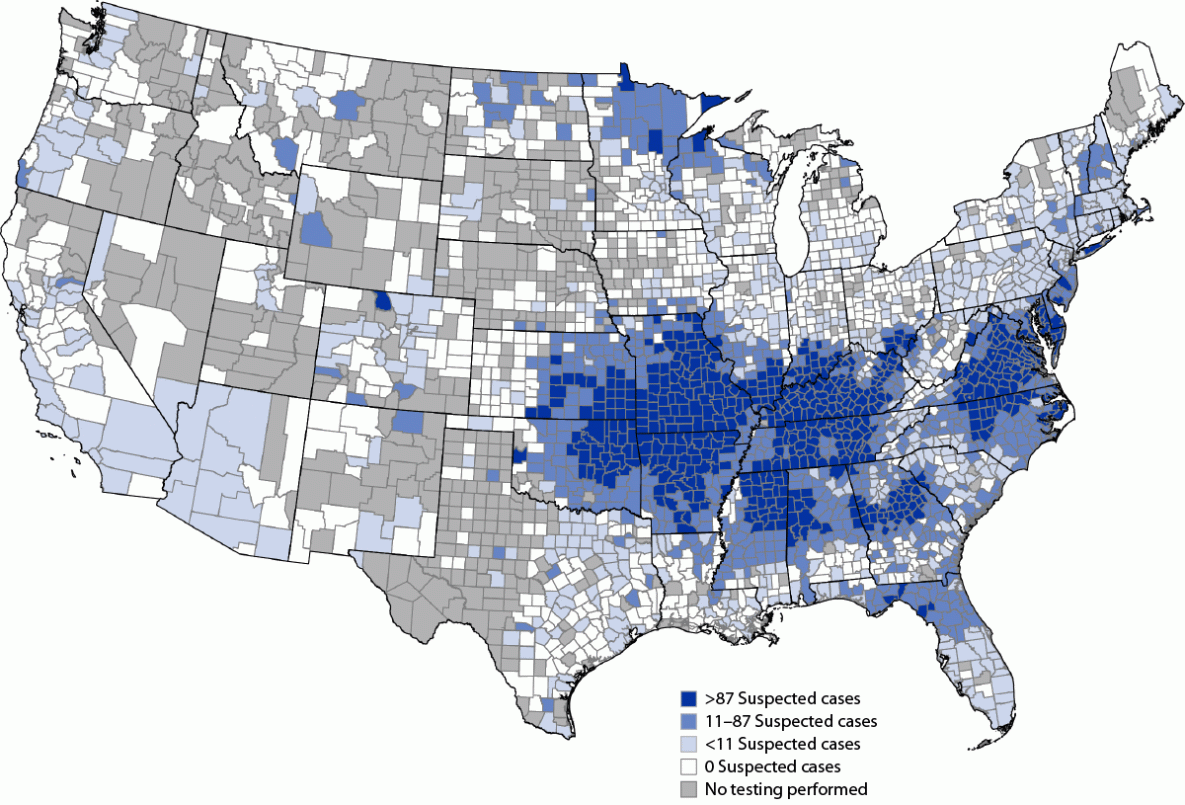
According to the CDC's study, some of the highest total numbers of suspected AGS cases were reported in Bedford County, while Charlotte County had the highest rate nationwide (12,273 suspected cases per 1 million person-years).
"People who frequently spend time outdoors in tick habitats, particularly in thick grass and densely wooded areas, have an increased risk of tick bites, and therefore might have an increased risk of exposure," the Virginia Department of Health noted on its website. "Not every person bitten by a lone star tick will develop AGS."
Alpha-Gal Symptoms, Treatment
While people in all age groups can develop AGS, most cases have been reported in adults, according to the Virginia Department of Health.
The allergy can manifest as hives, angioedema (swelling of the lips, face, tongue, throat and other areas of the body), upset stomach, diarrhea, shortness of breath, headaches, and a drop in blood pressure.
Some people can experience anaphylaxis, which is a severe and potentially life-threatening allergic reaction that can occur very quickly after exposure to the alpha-gal sugar.
Unlike typical food allergies, AGS symptoms usually appear two to six hours after exposure and can arise suddenly following years of safe meat consumption. Because these symptoms can occur several hours after exposure, people may wake up with them in the middle of the night after an evening meal.
Virginians who suspect they may have AGS should see their physician. Currently, there is no cure for the allergy, but it can be managed under the care of an allergist or other healthcare provider.
Other Tick-Borne Illnesses In Virginia
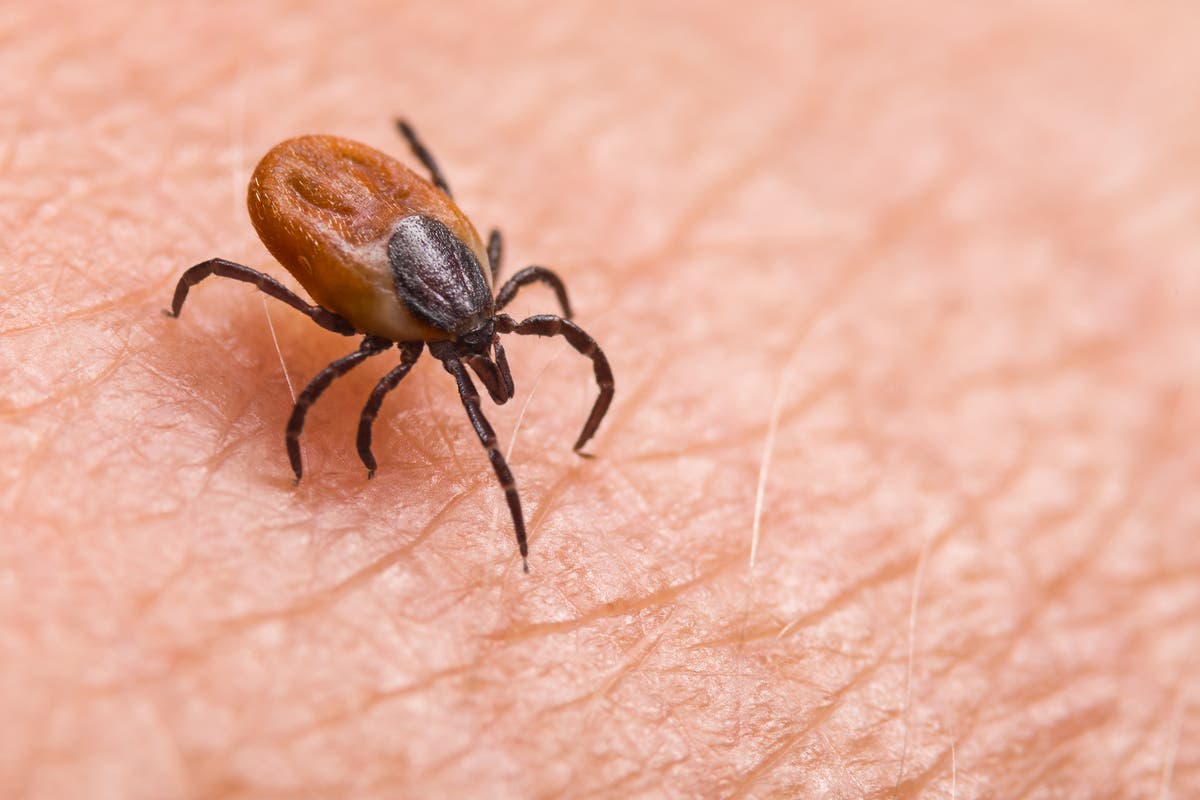
Black-legged ticks, also called deer ticks, are the most common U.S. stick and are found widely across the country, including in Virginia. People who are bitten by them are susceptible to several illnesses, including Lyme disease, where cases have been concentrated in the Northeast, Mid-Atlantic, Upper Midwest and Pacific Coast areas.
Babesiosis, a parasitic disease spread through the bite of infected black-legged ticks, infects red blood cells, causing flu-like symptoms and potentially severe or fatal illness, especially in those with weakened immune systems.
Other illnesses spread by black-legged ticks include anaplasmosis, which can cause a range of symptoms, including fever, headache and muscle pain. Additionally, it spreads the Powassan virus, which can cause fever, headache, vomiting and weakness.
Other tick-borne illnesses in Virginia include:
Ehrlichiosis is spread by the lone star and black-legged ticks, and symptoms include fever, chills, headache, muscle aches, and sometimes an upset stomach. Cases have been reported in the eastern half of the United States.
Rocky Mountain spotted fever, spread by American dog ticks that are found in the eastern two-thirds of the country, can be serious if not treated by a physician.
Tick-borne relapsing fever is often associated with overnight stays in rural, rodent-infested cabins in the mountainous areas of Arizona, California, Colorado, Idaho, Montana, Nevada, New Mexico, Oregon, Texas, Utah, Washington and Wyoming. Both hard-bodied and soft-bodied ticks transmit the vector causing the illness.
Tularemia, spread by American dog ticks, wood ticks and lone star ticks, and primarily found in the south-central U.S., the Pacific Northwest and parts of Massachusetts. It can be life-threatening, but responds to antibiotics, according to the CDC.
Rickettsiosis, a form of spotted fever rickettsiosis spread by the Gulf tick, which is found widely in the Southeast.
Brown dog ticks are found in every U.S. state. The primary host for this tick in each of its life stages is a dog, but the tick may also bite humans and other mammals. It can transmit Rocky Mountain spotted fever in the southwestern United States.
Protecting Yourself From Tick Bites
Because symptoms of tick-borne illnesses can lag, the best thing to do is protect yourself against ticks when you’re in places they’re likely to be found — grassy, brushy and wooded areas, or even your backyard. Some tips from the CDC:
- Wear socks and boots, and tuck your pants into your boots. Cover your hair as well.
- Tick-specific insect repellents can help, too. Treat clothing and gear, such as boots, pants, socks and tents with products containing 0.5 percent permethrin.
- Talk to your veterinarian about tick treatments for cats and dogs.
- Check yourself for ticks daily, especially under the arms, in and around the ears, inside the belly button, behind the knees, between the legs, around the waist, and on the hairline and scalp.
- Shower soon after being outdoors.
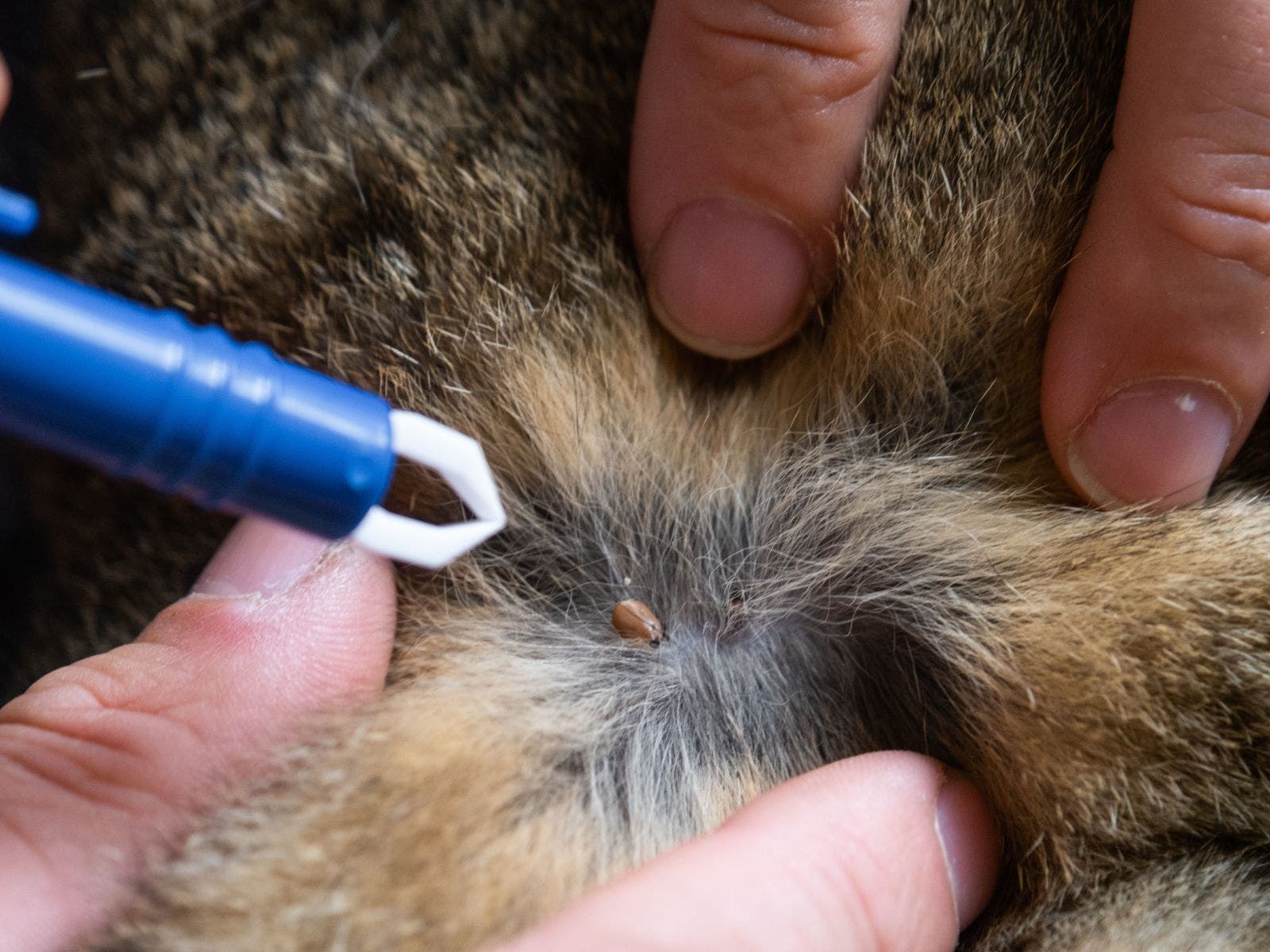
If you do find a tick, use fine-tipped tweezers to grasp the tick as close to the skin’s surface as possible. The key is to remove the tick as soon as you find it or are able to remove it. Using nail polish, petroleum jelly or heat to make the tick detach from the skin won’t work.
Pull upward with steady, even pressure. Don’t twist or jerk the tick, as this can cause its mouthparts to break off and remain in the skin. If you are unable to remove the mouth parts easily, leave them alone and let the skin heal.
After removing the tick, thoroughly clean the bite area and your hands with rubbing alcohol, an iodine scrub, or soap and water.
Get more local news delivered straight to your inbox. Sign up for free Patch newsletters and alerts.