Politics & Government
Fairfax Supervisors To Consider Changing Calculations To Lower Car Tax Bills
Fairfax County Board of Supervisors is considering a proposal to change the way it values vehicles, resulting in lower tax bills for some.


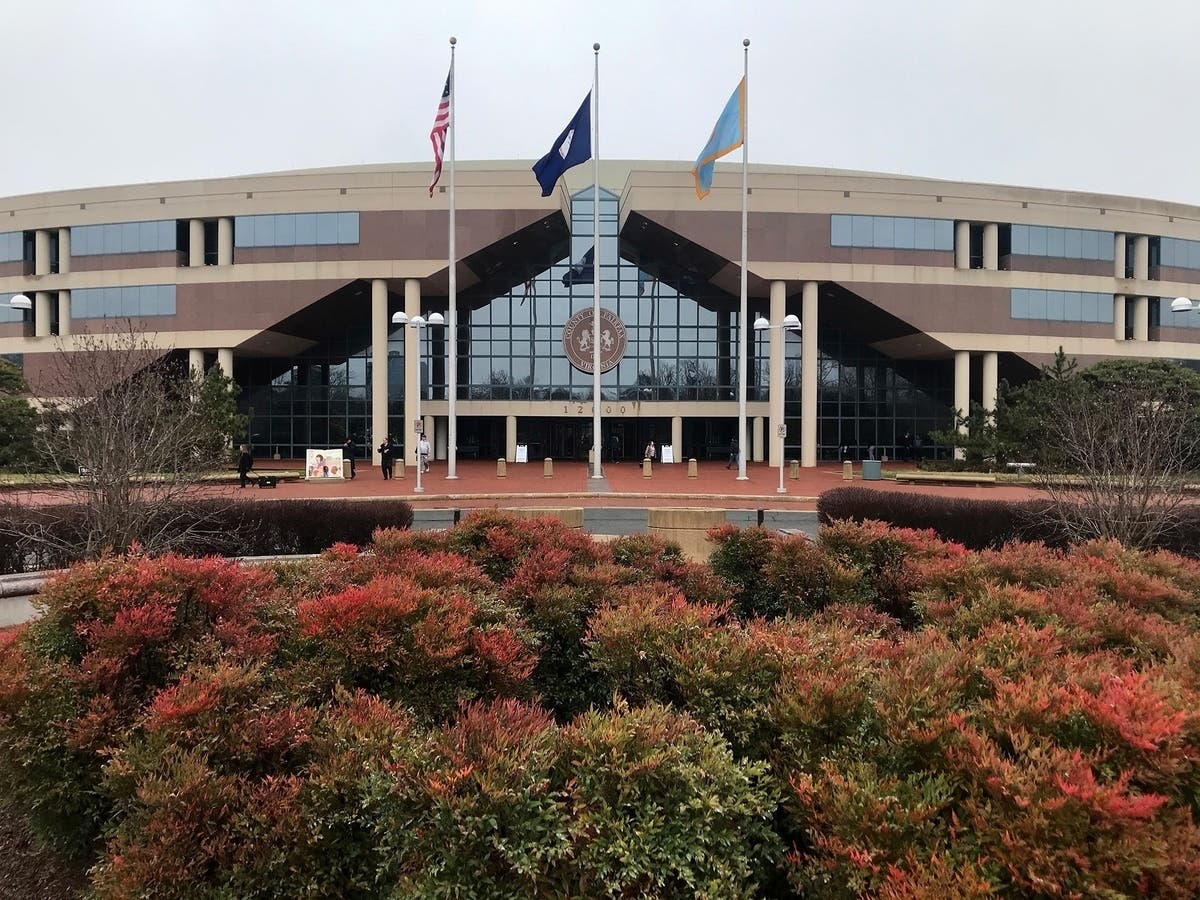
FAIRFAX,VA — Fairfax County residents may soon see a little relief when it comes to paying their 2022 personal property taxes. The Fairfax County Board of Supervisors is considering a proposal to alter the way it calculates the assessed value of vehicles registered in the county.
Every year, all localities in Virginia use the JD Power (formerly National Automobile Dealers Association) pricing guide to determine the assessed value of a vehicle as of Jan. 1. Fairfax County currently assesses vehicles at 100 percent of the clean trade-in value assigned by JD Power.
In a typical year, used cars will depreciate. However, the auto industry built fewer vehicles during the COVID-19 pandemic and consumers began buying more cars to take advantage of lower interest rates. The smaller number of vehicles available combined with increased demand caused the value of used cars to rise instead of dropping as they normally would.
Find out what's happening in Restonfor free with the latest updates from Patch.
"Used car values in particular are through the roof," Hunter Mill District Supervisor Walter Alcorn said, during a Lunch With The Reston Reporter Facebook Live interview on Friday. "They've gone nuts and so that is reflected in the JD Power valuations that are the basis for the county's setting of the car tax."
Related: Fairfax Schools Would Be Fully Funded Under FY 2023 Budget Plan
Find out what's happening in Restonfor free with the latest updates from Patch.
During the county board's March 15 budget committee meeting, staff informed the supervisors that more than 90 percent of the county's vehicle owners would see a substantial increase in the assessed value of their vehicles because of the higher valuations.
When the county was putting together the Fiscal Year 2023 Advertised Budget, its projections, which were based on November 2021 JD Power values, were for a 15.5 percent increase to the average vehicle tax bill.
But assessed vehicle values based on JD Power's January numbers indicated an increase of more than 33 percent for the average tax on a vehicle in Fairfax County. This combined with a decline in the impact of state Personal Property Tax Relief Act funds would result in additional revenue beyond what was projected in the FY 2023 budget proposal. On top of that, the average vehicle tax bill would increase by $186.
To fix the problem, the board could reduce the personal property rate, but that would impact other properties beyond vehicles and the board would have to reevaluate the tax rate when vehicle values returned to normal.

"There is a provision in state law that our director of tax assessments does have the authority whenever there are crazy market situations like this, to basically say, 'You know what? We're not going to use 100 percent of what the market valuation is. We think because of all these fluctuations, a lower number might be more appropriate,'" Alcorn said.
Based on the recommendation of county staff, the supervisors will consider adopting a ratio of 85 percent of the JD Power values to determine vehicles assessments.
Using the new ratio, the projected average tax bill would drop from $415 to $307, which is still an average increase of $78 increase over the FY2022 bill. Also, the average assessed value would be an increase of 13 percent compared to the 33 percent increase if values were based on 100 percent of the January JD Power numbers.
If the board adopts the 85 percent ratio, it would also offset the projected revenue increases in the FY2023 advertised budget caused by the 100 percent vehicle valuations.
"Fortunately, there is this provision that looks at specifically the valuation of vehicles and provides a little bit of flexibility," Alcorn said.
From Tuesday to Thursday, the board will be conducting public hearings regarding the FY2023 budget proposal. If the board votes to adopt the new valuation process, it will be included in the budget mark-up on April 26 and the formal budget adoptions on May 10.
Get more local news delivered straight to your inbox. Sign up for free Patch newsletters and alerts.