Politics & Government
Not Quite Finished
Regular session of General Assembly ends with budget negotiations to continue.


The General Assembly adjourned its regular session last Saturday afternoon after 60 calendar days of deliberations on more than 2,500 bills and resolutions including a biennial budget. Its work was not quite finished, however, and legislators will need to return to the Capitol to complete work on the budget and nearly two dozen bills for which the differences between the House and Senate had not been resolved. While the Constitution provides that sessions may be lengthened, there has been a reluctance to do so in a state that prides itself on limited government and where a longer legislative session may be viewed as a failure. Special sessions may be called by the Governor and by a super majority of legislators to deal with exceptional needs for which a budget to keep the government running after June 30 would qualify.
The approximate $158 billion budgets proposed by the Republican House of Delegates and the Democratic-controlled Senate have major differences and were the major reason for the legislative work not being completed. With the higher-than-expected revenue levels of cash in hand and projected for the next two years, the task has been more difficult than usual. The Governor and Republicans want to return more monies to individuals through tax cuts and rebates. While the Democrats support those changes, to a much lesser degree, they seek to increase funding for public schools, programs for mental health and the disabled among others. There will be taxpayer relief for sure such as eliminating the tax on food and personal hygiene products, but there also will be some relief to cash-starved schools and human service programs.
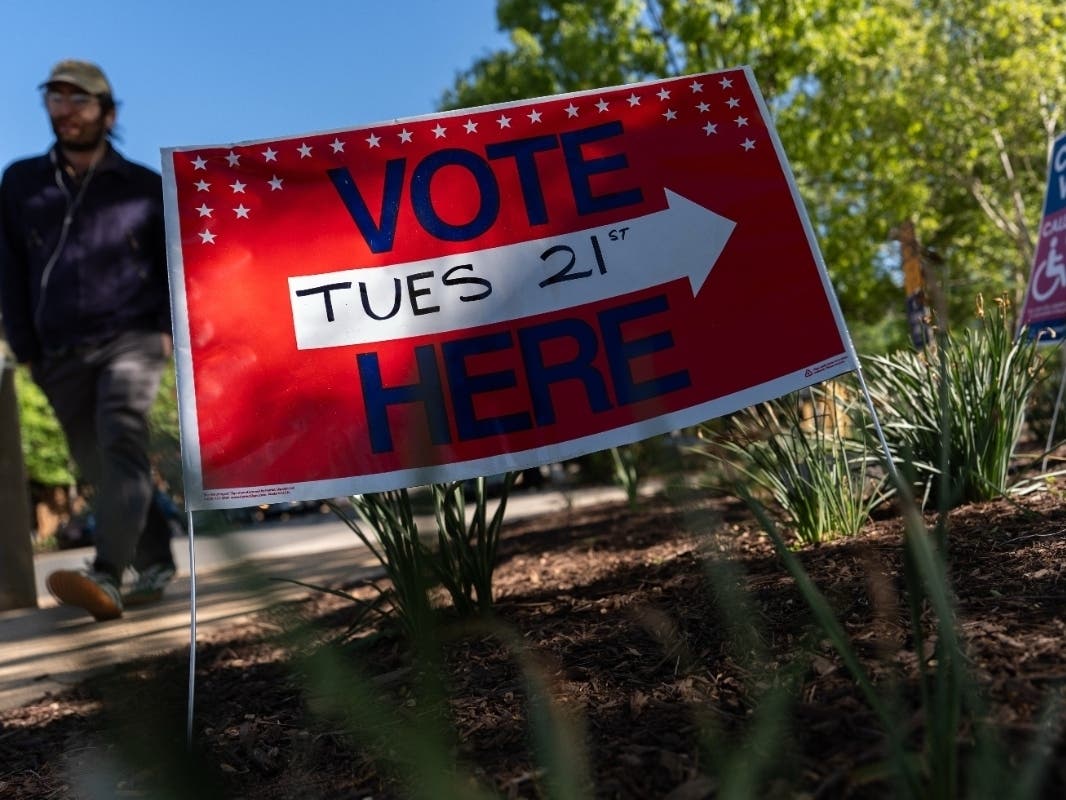
Republican lawmakers introduced many bills that would have rolled back reforms made by Democrats during the previous two years that they controlled the governorship and both houses of the General Assembly. Most all of these proposals passed the House of Delegates on a party-line vote 52 to 48 and were defeated in the Senate on a party-line vote of 21 to 19. Republicans sought to return voting laws that Democrats had passed to make voting more accessible and easier to a time when it was harder to vote. Ironically Republicans won the governorship and control of the House of Delegates under the reformed laws that they then wanted to repeal. The Senate defeated this effort. The Senate also defeated Republican measures that would have made many abortions criminal and that would have capped the minimum wage. The Governor’s various schemes for school choice with charter schools were defeated although laboratory schools associated with colleges were approved with details and funding to be worked out. A Senate committee defeated legislation that would have rolled back the 2020 Virginia Clean Economy Act which commits Virginia to 100 percent renewable energy by 2045. There is a proposal still being considered in a conference committee to use tax incentives to attract a football stadium to Northern Virginia which I adamantly oppose.
Find out what's happening in Restonfor free with the latest updates from Patch.
To review the fate of legislation you may have been following, go to https://lis.virginia.gov/.