Neighbor News
Do you know the difference between Alzheimer's and typical age-related changes?
Know the 10 signs: early detection matters


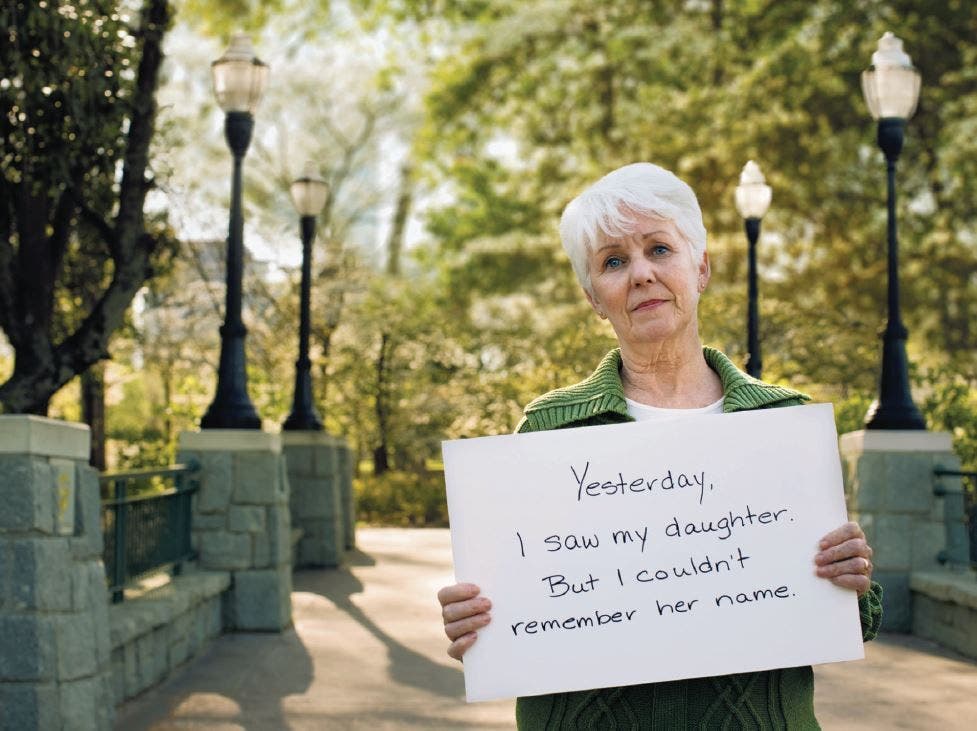
Your memory often changes as you grow older. But memory loss that disrupts daily life is not a typical part of aging. It may be a symptom of Alzheimer’s disease or another type of dementia.
It may be hard to know the difference between age-related changes and the first signs of Alzheimer’s. Ask yourself: Is this something new? For example, if a person was never good at balancing a checkbook, struggling with this task is probably not a warning sign. But if the ability to balance a checkbook has changed significantly, it is something to share with a doctor.
Some people may recognize changes in themselves before anyone else notices. Other times, friends and family will be the first to observe changes in a person’s memory, behavior or abilities.
Find out what's happening in Tysons Cornerfor free with the latest updates from Patch.
The Alzheimer’s Association has created a list of 10 warning signs for Alzheimer’s and related dementias. Individuals may experience one or more of these in different degrees.
1. Memory changes that disrupt daily life.
One of the most common signs of Alzheimer’s is memory loss, especially forgetting recently learned information. Others include forgetting important dates or events; asking for the same information over and over; increasingly relying on memory aides (e.g., reminder notes or electronic devices) or family members for things they used to handle on their own.
Find out what's happening in Tysons Cornerfor free with the latest updates from Patch.
What’s a typical age-related change?
Sometimes forgetting names or appointments, but remembering them later.
2. Challenges in planning or solving problems.
Some people may experience changes in their ability to develop and follow a plan or work with numbers. They may have trouble following a familiar recipe or keeping track of monthly bills. They may have difficulty concentrating and take much longer to do things than they did before.
What’s a typical age-related change?
Making occasional errors when balancing a checkbook.
3. Difficulty completing familiar tasks at home, at work or at leisure.
People with Alzheimer’s often find it hard to complete daily tasks. Sometimes, people may have trouble driving to a familiar location, managing a budget at work or remembering the rules of a favorite game.
What’s a typical age-related change?
Occasionally needing help to use the settings on a microwave or to record a television show.
4. Confusion with time or place.
People with Alzheimer's can lose track of dates, seasons and the passage of time. They may have trouble understanding something if it is not happening immediately. Sometimes they may forget where they are or how they got there.
What’s a typical age-related change?
Getting confused about the day of the week but figuring it out later.
5. Trouble understanding visual images and spatial relationships.
For some people, having vision problems is a sign of Alzheimer's. They may have difficulty reading, judging distance and determining color or contrast, which may cause problems with driving.
What’s a typical age-related change?
Vision changes related to cataracts.
6. New problems with words in speaking or writing.
People with Alzheimer's may have trouble following or joining a conversation. They may stop in the middle of a conversation and have no idea how to continue or they may repeat themselves. They may struggle with vocabulary, have problems finding the right word or call things by the wrong name (e.g., calling a "watch" a "hand-clock").
What’s a typical age-related change?
Sometimes having trouble finding the right word.
7. Misplacing things and losing the ability to retrace steps.
A person with Alzheimer’s disease may put things in unusual places. They may lose things and be unable to go back over their steps to find them again. Sometimes, they may accuse others of stealing. This may occur more frequently over time.
What’s a typical age-related change?
Misplacing things from time to time and retracing steps to find them.
8. Decreased or poor judgment.
People with Alzheimer's may experience changes in judgment or decision-making. For example, they may use poor judgment when dealing with money, giving large amounts to telemarketers. They may pay less attention to grooming or keeping themselves clean.
What’s a typical age-related change?
Making a bad decision once in a while.
9. Withdrawal from work or social activities.
A person with Alzheimer's may start to remove themselves from hobbies, social activities, work projects or sports. They may have trouble keeping up with a favorite sports team or remembering how to complete a favorite hobby. They may also avoid being social because of the changes they have experienced.
What’s a typical age-related change?
Sometimes feeling weary of work, family and social obligations.
10. Changes in mood and personality.
The mood and personalities of people with Alzheimer's can change. They can become confused, suspicious, depressed, fearful or anxious. They may be easily upset at home, at work, with friends or in places where they are out of their comfort zone.
What’s a typical age-related change?
Developing very specific ways of doing things and becoming irritable when a routine is disrupted.
If you notice any of these warning signs in yourself or someone you know, don't ignore them. Schedule an appointment with your doctor. With early detection, you can:
- Get the maximum benefit from available treatments
- Get help for you and your family
- Have more time to plan for the future
Want to learn more? The Alzheimer’s Association offers a free workshop “Know the 10 Signs: Early Detection Matters” both online and in the community. For more information, visit alz.org or call our free 24/7 Helpline 800.272.3900.
© 2016 Alzheimer’s Association®. All rights reserved.