Neighbor News
Petition to FDA - Require Sesame Seeds to be disclosed on Food Labels as an Allergen
Sesame seeds are estimated to be the number 9 top allergen in the US. By law, only the top 8 allergens need to be disclosed on food labels.

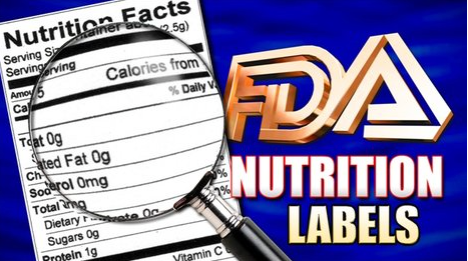
Sesame seeds were estimated to be the number 9 top allergen in the US. By law, only the top 8 allergens need to be disclosed on food labels in the US.
This needs to change ASAP and sesame seeds (and other seeds generally) need to be added to our food labeling laws, requiring disclosure on our food labels.
Sign the petition: https://www.change.org/p/fda-add-sesame-seeds-as-an-allergen-to-us-product-labeling-laws
Find out what's happening in Tysons Cornerfor free with the latest updates from Patch.
The logic used to cut off the list after the top 8 was because one old study found that 90% of all food allergies in the US were covered by the top 8 allergens at the time. This logic needs to be revised now for many reasons, including without limitation:
(1) This study (the one claiming 90% of all allergies are covered by the top 8) is severely outdated. Sesame seed allergies are growing, estimated with over half a million affected people in the US alone, not counting sunflower seeds, poppy seeds and other seeds; if you use all these seeds as the allergen (much like we do with “tree nuts” as a broad category), the numbers are even more significant.
Find out what's happening in Tysons Cornerfor free with the latest updates from Patch.
(2) Seed allergies can be severe, leading to anaphylaxis, while the number 10-15 allergens typically cause much less sever reactions. Some people argue that if you add the number 9 allergen, then people affected with the number 10 allergen will argue that their #10 allergen should be added, and so on, causing a never ending slippery slope. But many of these other allergens merely cause stomach discomfort and are not life threatening. Seed allergies can be life threatening. Thus is makes sense to “draw the line” after one of the most severe conditions with severe adverse reactions.
(3) Sesame allergies are even more prevalent worldwide, and other countries (such as Canada, most countries in Europe, Israel, Australia and New Zealand) already require disclosure of seeds in their food labeling laws. Sesame is the #3 allergen in Israel (above peanuts!) and one of the top allergens in Australia, New Zealand, Canada and Europe.
(4) Very, very low doses of sesame can cause serious reactions, as low as might be expected in mere cross contamination from the same facility.
My son recently had to be rushed to the ER in an ambulance after just a couple bites of a meal from a restaurant, even though the restaurant assured us there was no sesame in his meal. We later found out that the restaurant did not add any sesame to the meal, but they used a premade packged sauce that had sesame oil.
Most breads, buns, rolls, bagels, and pastries do not say anything about sesame on the label. Many people with sesame allergies are unaware of the law and assume that this means they are safe to eat and sesame free. But they are not. By law, any cross contamination of sesame currently does not need to be disclosed. If you call any of the major bread manufacturers or packagers, they will almost all tell you that they use the exact same equipment to process and/or pack sesame and non-sesame versions of their products. But they do not disclose this because they do not have to. I have spoken with many employees at several of these companies and they all tell me the sesame seeds are pervasive andthe machines are impossible to clean. The seeds get everywhere (even in the employees’ shoes!), and there are often stray seeds on the non-sesame breads. It only takes a fraction of a seed to be life threatening. So yes, a person with a sesame allergy can have a life threatening reaction from eating a non-sesame seed bun that is not properly labeled!
It is time to add sesame (supposedly the #9 food allergen in the US according to an old study, now likely even higher), to the list of food allergens that must be disclosed on all US food labels, even when merely made in a factory with, or in a facility containing, etc.
Additional reading on this issue:
http://www.medicineonline.com/news/12/1230/Sesame-Allergies-May-Be-a-Growing-Problem.html
http://www.suntimes.com/lifestyles/23680924-423/hard-to-uncover-sesame-seeds-for-those-with-the-growing-allergy.html#.U-ebc1bWLgI
http://www.annallergy.org/article/S1081-1206(10)61181-7/pdf
http://www.livingwithout.com/issues/4_8/sesame_seed_allergy-2025-1.html
http://beta.freefromuk.com/condition/40
Sign the petition: https://www.change.org/p/fda-add-sesame-seeds-as-an-allergen-to-us-product-labeling-laws