Health & Fitness
Wet Spring Brings a Bounty of Slugs
Slugs consume several times their body weight in a single night. How can you keep them away from your vegetable garden?
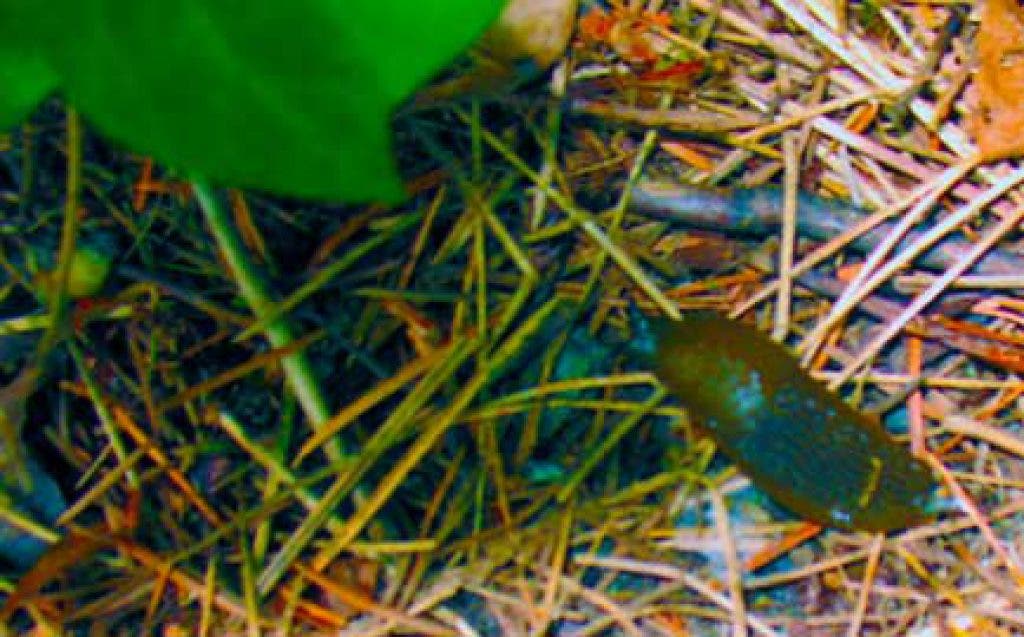
By early May, all that remained of the three artichoke plants were a few slime-coated stubs. Volunteers had planted them in the demonstration garden on the west side of Issaquah’s Pickering Barn only a few weeks before. “We thought we had protected them against pests,” said Seattle Tilth’s Falaah Jones, the garden coordinator. Their measures had protected the young plants from visiting deer and rabbits, but failed to deter the slugs.
Left uncontrolled, it is not inconceivable that slugs could consume your tender young vegetable garden it its entirety.
Like many early residents of Issaquah and Sammamish, the ancestors of our slugs were immigrants from Europe. They have adapted well to our environment and consume several times their body weight in a single night. Slugs thrive in moist, dark conditions, and local gardeners are reporting an increase in their garden’s slug population this year.
Find out what's happening in Sammamish-Issaquahfor free with the latest updates from Patch.
By 1929, slugs were already a serious problem in local kitchen gardens. A gardener believed to be Ida Mae Tibbetts Goode, the daughter of one of Issaquah’s original residents, listed wood and coal soot as potential slug barriers in her garden. "A circle of it around plants will keep slugs away - can mix some arsenic of lead with it," she wrote. Highly toxic pesticides containing lead and arsenic were popular in gardens and orchards prior to the 1950s, but are now outlawed in the United States.
Fortunately, we have access to effective slug control methods that do not contaminate our soil and expose us to toxic elements:
Find out what's happening in Sammamish-Issaquahfor free with the latest updates from Patch.
- Trap them. Traps filled with beer or a mix of water, yeast, and sugar are irresistible to a good number of slugs.
- Deploy barriers. Diatomaceous earth, coffee grounds, eggshells, and copper strips work for many gardeners.
- Employ predators. Create homes for frogs and toads or purchase a duck.
- Reduce their habitat. During the day, slugs rest in places that are dark, damp, and moist. You can reduce slug habitat by removing debris from around your plants.
- Remove them by hand. Collecting slugs at night or after a heavy rainfall is an effective way of removing them by the dozens. To make your job easier, you can lure them with orange slices. Think carefully of how to dispose of the slugs you gather. Your neighbor may not appreciate them.
- Poison them. Slug poisons based on iron phosphate are approved for use in organic gardens and are available in most garden stores. Studies suggest that a spray of caffeinated coffee is more deadly to slugs than many store-bought pesticides.
Slug control is an inevitable and relentless aspect of gardening in Sammamish and Issaquah. Still, if you aren’t able to keep them off your pepper plants, take heart. When they are not eating your plants, they might be improving your soil by breaking down organic matter. When that thought fails to cheer you, turn to Evelyn Underhill who noted after hand gathering 300 slugs “How I love the mixture of the beautiful and the squalid in gardening. It makes it so lifelike.”
Resources
Contact the Garden Hotline at (206) 633-0224 Monday through Saturday from 9 a.m. to 5 p.m. if you have any questions.
Hollingtsworth, Robert G., John W. Armstrong, and Eral Campbell. “Caffeine as a repellent for slugs and snails.” Nature 27 June 2002. 13 May 2011 < http://www.nature.com/nature/journal/v417/n6892/abs/417915a.html >.
Robson, Mary. “Managing Slug Problems.” Washington State University, 9 May 1999. 13 May 2011 <http://gardening.wsu.edu/column/05-09-99.htm >.
Robson, Mary. “Those Pesky Slugs.” Washington State University, 14 May 2000. 13 May 2011 <http://gardening.wsu.edu/column/05-09-99.htm >.
Rosetta, Robin, ed. “Pacific Northwest Nursery Integrated Pest Management: Snails/Slugs.” Oregon State University, 29 June 2005. 13 May 2011 < http://oregonstate.edu/dept/nurspest/slugs.htm >.